 By admin
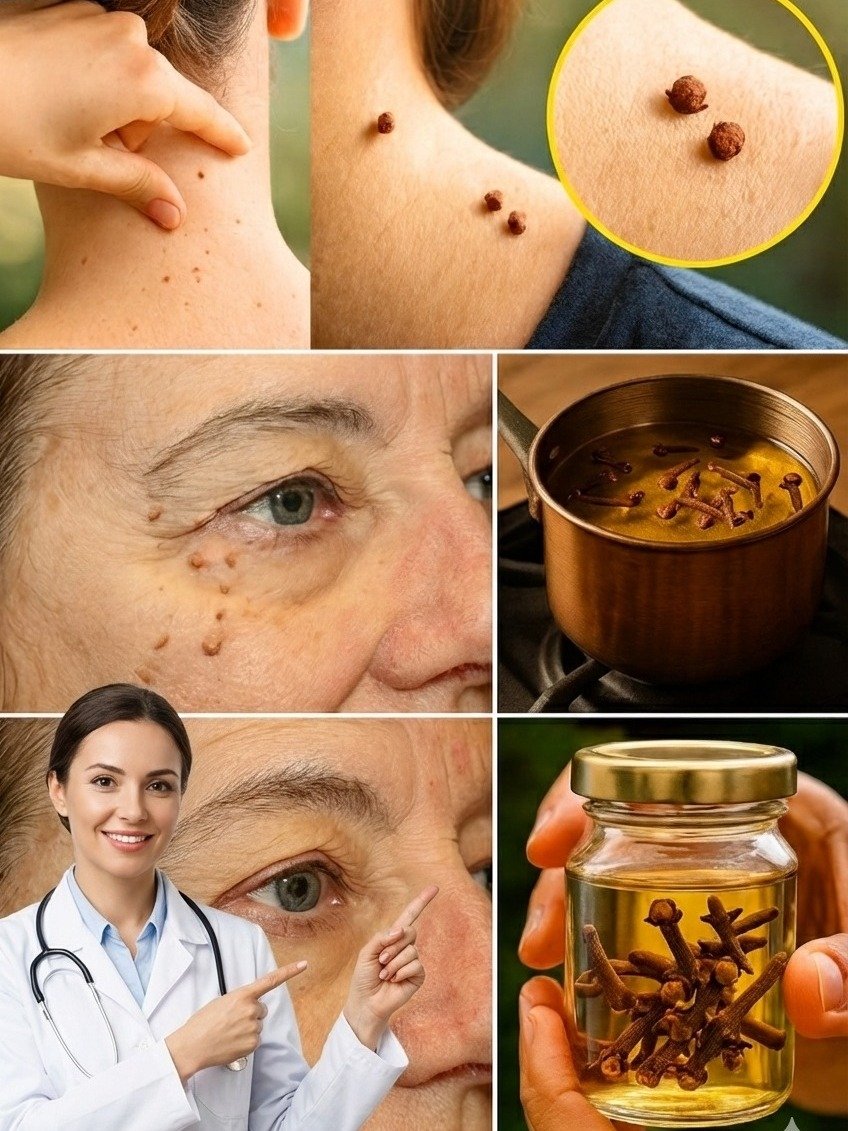
 Ever scrolled through social media and seen that viral claim about using cloves and olive oil to banish skin tags and warts ‘overnight’? It sounds like a miracle, right? These common skin growths – whether they’re those tiny, harmless skin tags or the rough, viral-induced warts – often send people searching for quick, at-home solutions. And this particular concoction has taken the internet by storm, promising rapid results.
While it’s true that cloves contain eugenol, a compound known for its antimicrobial properties, and a handful of early studies have hinted at its potential against warts, the hard truth is this: there’s absolutely no robust scientific backing to prove this specific mix can safely or effectively eliminate skin tags or warts, especially not with the speed claimed. The idea of waking up to clear skin after just one night? Pure fantasy. Furthermore, attempting DIY removal at home comes with a significant array of potential dangers, from severe skin irritation to serious infections.
So, before you dive headfirst into this trending home hack, let’s take a deep breath and explore the facts. This article will offer a clear, balanced perspective on the clove and olive oil remedy, setting realistic expectations, and, most importantly, guiding you towards genuinely safer and more effective alternatives.
Understanding Skin Tags vs. Warts: Know Your Enemy
- Skin Tags: These are typically soft, small, flesh-colored growths that are completely non-viral. They often appear in areas prone to friction, like your neck, armpits, or eyelids, and are usually harmless.
- Warts: In stark contrast, warts are caused by the Human Papillomavirus (HPV). They are contagious, have a rougher texture, and commonly pop up on hands, feet, or the face.
It’s absolutely crucial to remember: never self-diagnose. What might look like a harmless growth could, in rare cases, be something more serious. Always consult a doctor to get a definitive confirmation.
The Clove and Olive Oil Remedy: How It’s Done (and Why Caution Is Key)
So, how exactly does this viral ‘remedy’ work, according to its proponents? The typical routine involves:
- Taking whole cloves and crushing them thoroughly, or opting for concentrated clove essential oil.
- Combining this with olive oil, which serves as a ‘carrier oil’ to dilute the potent clove.
- Applying this mixture directly onto the skin growth, then often covering it and leaving it on overnight.
It’s true that eugenol, the active compound in cloves, has demonstrated antiseptic and even numbing properties in controlled laboratory settings. There was even one small, older study that briefly touched upon herbal mixtures, including clove in olive oil, as a potential approach for warts. And yes, you might hear plenty of anecdotal stories online claiming that growths dried up or shrank over a period of days or weeks.
However, let’s inject some much-needed reality into these claims:
- There’s a significant lack of strong, reliable evidence to suggest this method effectively treats skin tags at all.
- The promise of “overnight” removal is completely unfounded – any changes, if they occur, would take a considerable amount of time.
- Using clove oil undiluted or leaving the mixture on for too long can lead to severe skin burns, painful allergic reactions, or even permanent scarring.
- While olive oil is a wonderful moisturizer, it plays no active role in the removal process of skin tags or warts; it simply dilutes the clove.
It’s crucial to heed the warnings from leading medical authorities, such as dermatologists endorsed by the American Academy of Dermatology (AAD) and institutions like the Cleveland Clinic, who strongly caution against any form of DIY skin growth removal due to the high risk of complications.
Potential Risks of Home Removal
| Risk | Why It Happens | Common with Cloves/Oil? |
|---|---|---|
| Severe Skin Irritation or Chemical Burns | The powerful compounds in clove, especially eugenol, can be far too harsh for delicate skin, causing painful reactions. | Extremely High (eugenol is a potent irritant) |
| Infection | Any open wound created by attempting to remove or irritate a growth becomes a prime entry point for bacteria. | Highly Possible, particularly if the growth is picked at or bleeds. |
| Permanent Scarring | Inflammation, improper wound care, or damage to surrounding healthy skin can result in noticeable and lasting scars. | Yes, this is a significant risk, especially on sensitive or visible areas. |
| Bleeding | Some skin tags, especially larger ones, have a blood supply that can lead to unexpected and difficult-to-stop bleeding if tampered with. | Rare, but a definite possibility that can be alarming. |
| Dangerous Misdiagnosis | Mistaking a benign growth for something more serious, like a mole or even skin cancer, is a critical and potentially life-threatening error. | This is an ever-present and serious concern with any self-treatment. |
A word to the wise: if you’re dealing with growths in highly sensitive areas like around your eyes or genitals, or if you have particularly large or numerous growths, you should absolutely steer clear of any home remedies. The risks are simply too high.
When to Trust the Experts: Proven, Professional Solutions
For guaranteed safety, effectiveness, and peace of mind, dermatologists offer a range of quick, minimally invasive, and low-risk procedures to remove unwanted skin growths:
- Cryotherapy: This involves freezing the growth with liquid nitrogen, causing it to blister and fall off. It’s fast and highly effective for many types of warts and some skin tags.
- Snip Excision: After numbing the area, a dermatologist can precisely snip off skin tags or excise warts using sterile surgical tools. This is often a one-and-done solution.
- Electrocautery: This method uses a heated needle to carefully burn off the growth, sealing blood vessels as it goes, which is excellent for precise removal and minimizing bleeding.
- Ligation: Specifically for skin tags, this technique involves tying off the base of the tag with a surgical thread, cutting off its blood supply until it eventually withers and falls off.
Many of these procedures may even be covered by insurance if deemed medically necessary; otherwise, they are typically quite affordable when performed for cosmetic reasons, offering a safe and professional alternative to risky home experiments.
If You Still Want to Try Natural Approaches
If, despite the warnings, you’re still determined to explore natural remedies, proceed with extreme caution. Always perform a patch-test on a small, inconspicuous area of skin first to check for any adverse reactions. Apply any concoction sparingly, and immediately discontinue use if you notice any redness, swelling, burning, or irritation.
While still lacking robust scientific backing, some alternative natural approaches have gathered slightly more anecdotal support for warts, though rarely for skin tags:
- Tea tree oil (always diluted with a carrier oil like jojoba or coconut oil).
- Apple cider vinegar (also diluted, as its acidity can be very harsh).
- Over-the-counter salicylic acid preparations (specifically formulated for warts, not for skin tags, and should be used strictly according to package directions).
However, it’s vital to reiterate: the evidence for these natural methods remains limited and inconsistent. For guaranteed safety and efficacy, professional medical care remains the gold standard.
Your Burning Questions Answered: FAQs on Home Remedies
Does the clove and olive oil remedy truly work overnight?
Absolutely not. The viral claims of instant removal are a complete myth. Any observable changes, if they occur at all, would typically take several weeks, and results are incredibly inconsistent and unpredictable.
Is using clove essential oil safer or more effective than crushed whole cloves?
Quite the opposite. Clove essential oil is highly concentrated, making it significantly more potent and thus carrying a much higher risk of causing severe skin irritation, burns, or allergic reactions. While crushed whole cloves are somewhat milder, they still contain the same active compounds and carry similar, albeit slightly reduced, risks. Neither is a recommended safe alternative to professional care.
What should I do if I try a home remedy and nothing happens, or worse, the growth gets worse?
If you attempt a home remedy and see no improvement, or if the growth becomes irritated, painful, changes color, or begins to bleed, stop immediately and schedule an appointment with a dermatologist. Persistent or problematic growths always require professional evaluation and safe removal.
The Verdict: Proceed with Caution (or Better Yet, Consult a Pro)
While the clove and olive oil mixture might capture attention as a trendy ‘natural’ fix, it’s crucial to understand that despite some intriguing properties of cloves, it is definitively *not* a safe, scientifically proven, or reliable ‘overnight’ solution for banishing skin tags or warts. The potential risks associated with this DIY approach far outweigh any unproven, anecdotal benefits.
When it comes to your skin health, why take unnecessary chances? For ultimate peace of mind, accurate diagnosis, and the most effective, safest results, your best course of action is always to consult a qualified dermatologist. They possess the expertise and sterile tools to precisely diagnose any skin growth and remove it safely and effectively, often in a single, quick visit.
Disclaimer: Please remember, the information provided here is strictly for educational and informational purposes only and should never be considered a substitute for professional medical advice. Home remedies, particularly those involving potent natural ingredients, are not a replacement for expert healthcare. Always seek the guidance of a qualified healthcare provider for any concerns related to skin growths, especially if they are changing, bleeding, causing pain, or located in sensitive areas. Individual results from home remedies can vary wildly, and improper use carries a significant risk of harm.