 By admin
 Ever felt an unexpected bump under your skin and instantly worried? You’re not alone. While most lumps and cysts are harmless, knowing the critical differences and when to act could literally save you from unnecessary panic—or worse, overlooking a serious health issue.
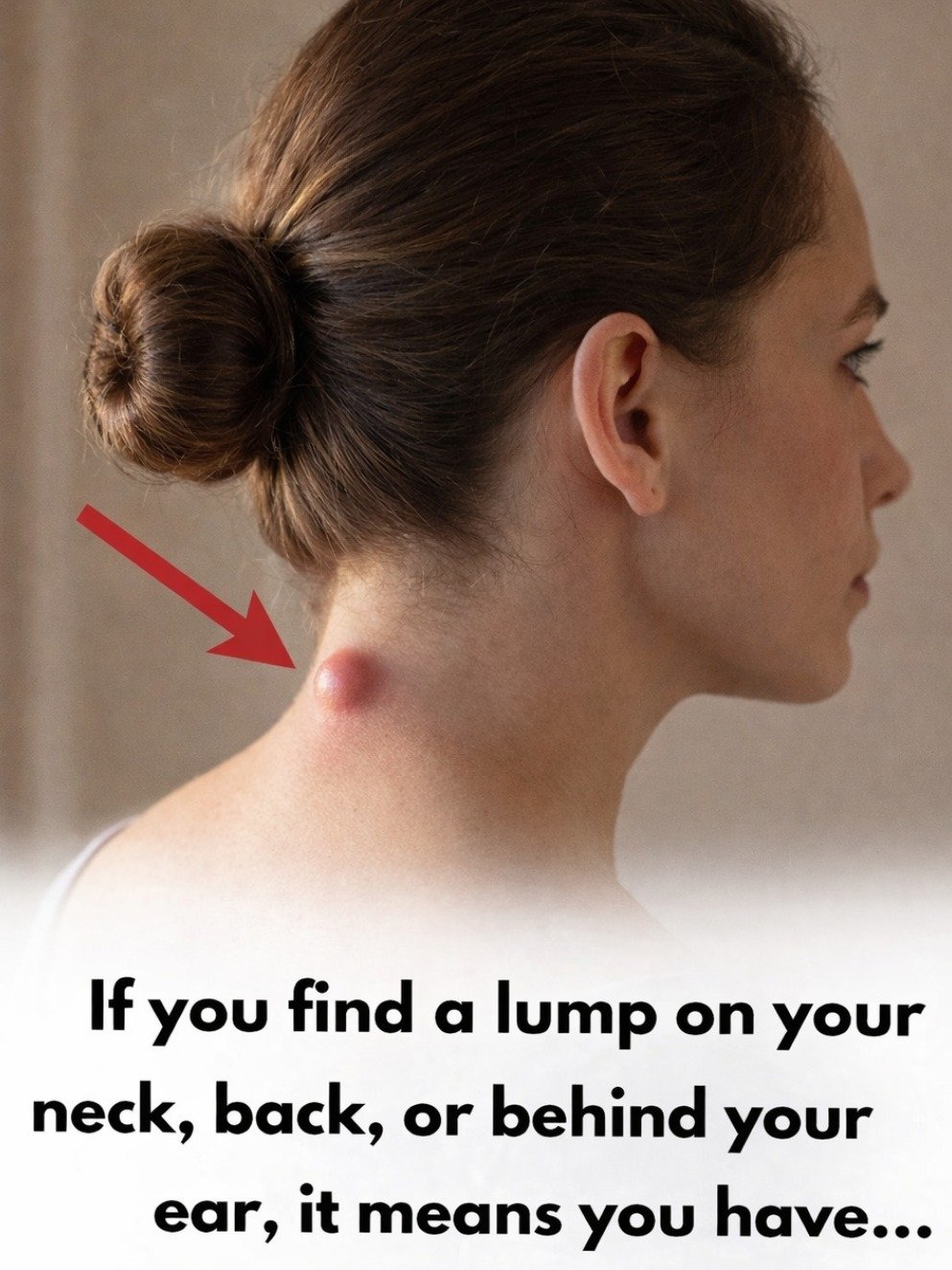
Discovering a new bump beneath your skin can trigger immediate alarm, yet it’s crucial to remember that not every lump signals a severe health concern. These often-innocent nodules can emerge almost anywhere – from your neck or back to your armpits or behind your ear. Gaining a clear understanding of their typical characteristics is your first step to reacting calmly and effectively.
Many individuals frequently encounter lumps that are both painless and develop slowly over time. Often, these benign formations can be attributed to common occurrences like blocked hair follicles, minor skin traumas, or even just the natural processes of your skin. Becoming familiar with the most prevalent types is essential for accurately determining whether simple observation or professional medical attention is warranted.
Common Types of Lumps and Cysts
While many skin lumps are quite common and typically benign, it’s wise to be aware of the most frequent types you might encounter. These include:
-
Epidermoid cysts: These are small, firm, and often round nodules that develop just beneath the skin’s surface, typically resulting from a buildup of keratin. While generally painless, they might discharge a thick, whitish material if they rupture or are squeezed.
-
Lipomas: Characterized as soft, rubbery, and easily movable lumps, lipomas are benign growths composed of fatty tissue. They tend to grow very slowly and are almost always harmless.
-
Swollen lymph nodes: These can become enlarged and noticeable, frequently indicating an underlying infection or inflammatory response. They might feel tender or even painful when touched.
-
Sebaceous cysts: Quite similar in appearance and nature to epidermoid cysts, these form when oil glands become blocked or damaged. They can sometimes become inflamed, causing discomfort.
-
Unusual hard nodules: Any lump that feels notably firm, has an irregular shape, or is fixed in place (meaning it doesn’t move freely under the skin) demands prompt medical evaluation to ensure no serious underlying conditions are present.
Accurately identifying these different types is crucial for determining whether your lump simply requires watchful waiting or if it warrants a thorough medical assessment.
What If the Lump Hurts?
While the majority of lumps pose no threat, the presence of pain often signals that a cyst has become inflamed or possibly infected. Should this occur, meticulous observation of any changes becomes absolutely vital. Specifically, keep an eye out for:
-
A rapid increase in its overall size
-
Noticeable alterations in its texture or skin discoloration
-
New warmth, spreading redness, or increased tenderness around the area
-
Any discharge of pus or a distinctly foul-smelling fluid
Under no circumstances should painful lumps be dismissed, particularly if these concerning symptoms persist or intensify over a period of time.
When to Seek Medical Attention
While the vast majority of lumps and cysts are not immediate medical emergencies, it is unequivocally recommended to seek professional medical evaluation if you observe any of the following:
-
Sudden, rapid growth or significant, visible changes in its shape or contour
-
Unrelenting pain or a noticeable increase in sensitivity to touch
-
Any discharge accompanied by a particularly unpleasant odor
-
The development of a fever or a general feeling of malaise and discomfort
Only a qualified healthcare professional can effectively rule out more serious underlying conditions and provide you with the most appropriate and safest treatment recommendations.
Safe Home Care and Daily Monitoring
Many individuals explore various home remedies, including warm compresses, specialized natural oils, or aloe vera, hoping to alleviate symptoms. While these approaches might offer temporary relief for mild discomfort, it’s critical to understand that they do not address the root cause of the lump. Therefore, these methods should never, under any circumstances, be used as a substitute for a comprehensive professional medical assessment.
For effective daily care and monitoring, consider these practical tips:
-
Make it a habit to regularly examine the affected area, perhaps once a week.
-
Diligently note down any subtle or significant changes in the lump’s size, color, or texture.
-
Resist the urge to squeeze, pick at, or otherwise manipulate the lump, as this can worsen it.
-
Ensure the surrounding skin remains clean and adequately hydrated to promote overall skin health.
Consistent, simple observation can play a profoundly significant role in the early detection and management of any potential issues.
Factors That Increase the Risk of Skin Lumps
It’s worth noting that specific factors can predispose certain individuals to a higher likelihood of developing various skin lumps or cysts. These predisposing factors include:
-
A known family history of cysts or lipomas, indicating a potential genetic predisposition.
-
Experiencing severe or persistent chronic acne, which can lead to blocked follicles.
-
Frequent skin injuries or areas subjected to repeated friction or irritation.
-
Underlying hormonal fluctuations or certain metabolic disorders that impact skin health.
While adults, particularly men, might encounter these types of nodules with greater frequency, it’s crucial to understand that lumps and cysts can, in fact, affect individuals of any age or gender.
Final Thoughts
Proactive and early monitoring of any lumps or cysts on your body is an absolutely vital component of maintaining both your skin health and your overall well-being. Although a significant number of these small nodules are entirely benign, remaining vigilant and paying close attention to any red-flag warning signs is the best way to ensure that no potentially serious underlying condition is overlooked. When faced with any uncertainty or concern, seeking professional medical guidance remains, without question, the wisest and safest course of action.