 By admin
 Have you ever scrolled through your feed and seen a health tip that seemed too good to be true? We’ve all been there, sharing information without a second thought, only to later discover it was completely false. But when it comes to your health, misinformation isn’t just embarrassing—it can be downright dangerous.
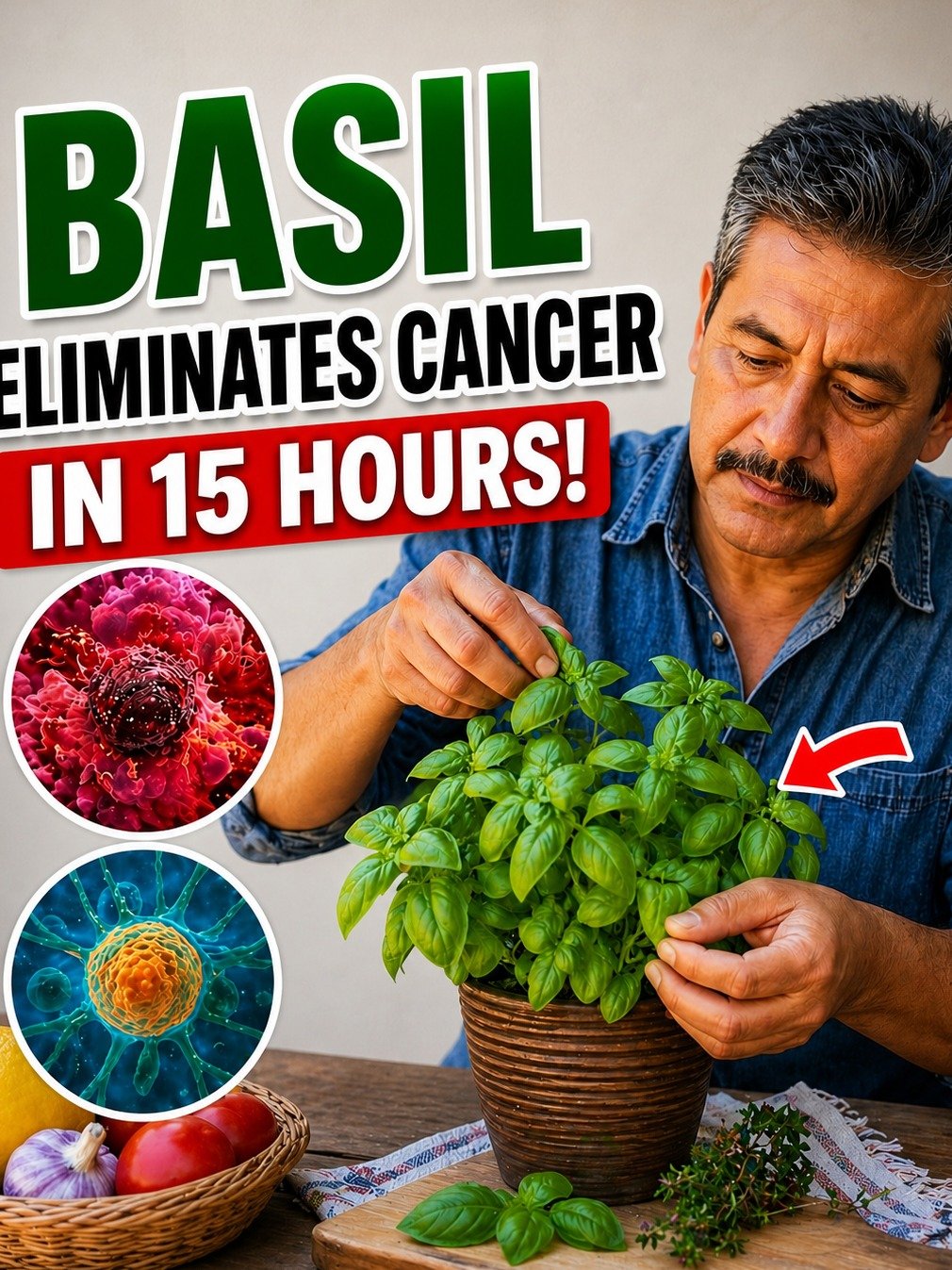
Right now, a powerful claim about basil as a “miracle cure” is sweeping the internet. But before you stock up, you absolutely need to know: how much of this viral hype is actually backed by science?
Let’s dive deep and separate the facts from the fiction.
Where Did the “Miracle Basil” Myth Come From?
Basil, a fragrant herb, is a beloved staple across kitchens and traditional medicine practices worldwide. Its versatility and distinct flavor have made it a global favorite.
However, in recent years, social media platforms have amplified its perceived benefits, often claiming it possesses the power to treat serious and complex illnesses. This has led to a significant overstatement of its true capabilities.
Here’s what you should actually understand:
It’s true that basil does contain valuable natural compounds, such as:
- Antioxidants
- Essential oils
These components certainly play a role in helping your body combat oxidative stress and support overall well-being.
Yet, there’s a critical distinction between an ingredient that supports general health and one that can cure complex diseases. These are two very different things.
The core issue is that many viral posts frequently take preliminary scientific findings and twist them into exaggerated, overhyped promises that simply aren’t true in real-world applications.
What Does Science Actually Say About Basil?
This is where we cut through the noise and look at the hard evidence.
While it’s true that some initial studies indicate plant compounds—including those found in basil—might exhibit interesting effects under controlled laboratory conditions, this is a crucial point to remember.
There’s a significant, often overlooked, difference between:
| In the Lab | In the Human Body |
|---|---|
| Under sterile, controlled conditions | Within complex, dynamic biological systems |
| Tested at extremely high concentrations | Consumed at normal, everyday levels |
| Representing early-stage, preliminary results | Requiring robust, proven clinical evidence |
It’s essential to understand that most of these early-stage studies:
- Have not yet been rigorously tested in humans
- Are far from conclusive for medical applications
- Do not, by any scientific standard, qualify as medical treatments for disease
Here’s the critical takeaway:
Just because something is natural doesn’t automatically mean it’s effective as a cure for serious conditions.
The *Real* Health Benefits of Basil
Now, let’s turn to the genuinely good news about this incredible herb.
Basil does indeed offer a range of legitimate and valuable health benefits when incorporated thoughtfully into your daily diet.
Scientifically supported benefits include:
- Aiding in healthy digestion
- Delivering a rich supply of antioxidants
- Potentially helping to alleviate mild inflammation
- Contributing positively to your overall sense of wellness
Simple and delicious ways to enjoy basil:
- Infused in soothing herbal teas
- Added fresh to hearty soups
- Tossed into vibrant salads
- Used as a natural, aromatic seasoning
The fundamental principle here is straightforward:
👉 Always view basil as a healthy, beneficial dietary addition—never a miraculous, standalone solution for serious health issues.
Warning Signs of Misleading Health Information (Don’t Get Fooled!)
It’s crucial to develop a keen eye for suspicious content, especially when it makes grand health claims. Be highly skeptical.
Immediate red flags to watch out for include:
- Exaggerated promises of instant results, often in mere hours or days
- Catchy, manipulative phrases like “secret cure” or “they don’t want you to know this”
- A complete lack of credible, verifiable sources or scientific backing
- Content that relies on fear-mongering or shocking, graphic imagery to grab attention
The undeniable truth is this:
👉 Genuine health improvement simply doesn’t operate on such simplistic, quick-fix principles.
Falling for these deceptive claims can have serious consequences, potentially leading you to delay or avoid essential, evidence-based medical care.
How to Actually Improve Your Health Safely and Naturally
If your goal is genuine, lasting health improvement, your focus should always be on adopting and maintaining scientifically proven, sustainable habits:
- Prioritize eating more whole, unprocessed, natural foods
- Significantly reduce your intake of added sugars and highly processed products
- Engage in regular physical activity
- Ensure you consistently get adequate, restorative sleep
- Always consult with qualified healthcare professionals for personalized advice
Absolutely—feel free to incorporate basil into your diet regularly!
However, remember it should always be a valuable component of a holistic, balanced lifestyle, not positioned as the sole cornerstone of your health strategy.
Conclusion: The Unvarnished Truth Few People Will Tell You
Basil is undeniably a wonderful plant, offering beneficial properties that can certainly contribute to a healthy lifestyle and overall well-being.
But let’s be crystal clear: it is not a magic cure-all for serious diseases.
Relying on “quick fixes” or unsubstantiated claims can actually be detrimental, doing more harm than good by diverting you from effective care.
So, what’s the real secret to lasting health?
👉 It’s the consistent sum of your daily habits and choices—not the isolated power of a single ingredient—that truly shapes your health trajectory.
FAQ: Your Top Questions Answered
Is it safe to consume basil every day?
Yes, when consumed in typical culinary amounts, basil is generally safe and can be a healthy addition to your daily diet or as an herbal tea.
Why do health myths go viral so easily?
Health myths often go viral because they tap into powerful human emotions like fear, hope, and the desire for simple solutions, making them incredibly shareable and persuasive.
How can I identify reliable health information online?
Always seek information from reputable medical and scientific sources, be wary of any claims that seem overly dramatic or promise instant cures, and prioritize consulting with qualified healthcare professionals for personalized, evidence-based advice.