 By admin
 What if the ‘normal’ period pain you’ve been enduring for years isn’t normal at all? For an estimated 190 million women worldwide, monthly pelvic discomfort goes far beyond typical cramps, evolving into a silent, debilitating struggle that impacts daily life, work, and relationships. This silent battle can lead to years of misunderstanding and suffering, profoundly affecting daily routines, careers, relationships, and overall well-being. But here’s the powerful truth: gaining a deeper understanding of this widespread condition is the first step toward reclaiming control and making informed decisions about your health. Get ready to uncover vital insights many women wish they had discovered much earlier.
What Is Endometriosis?
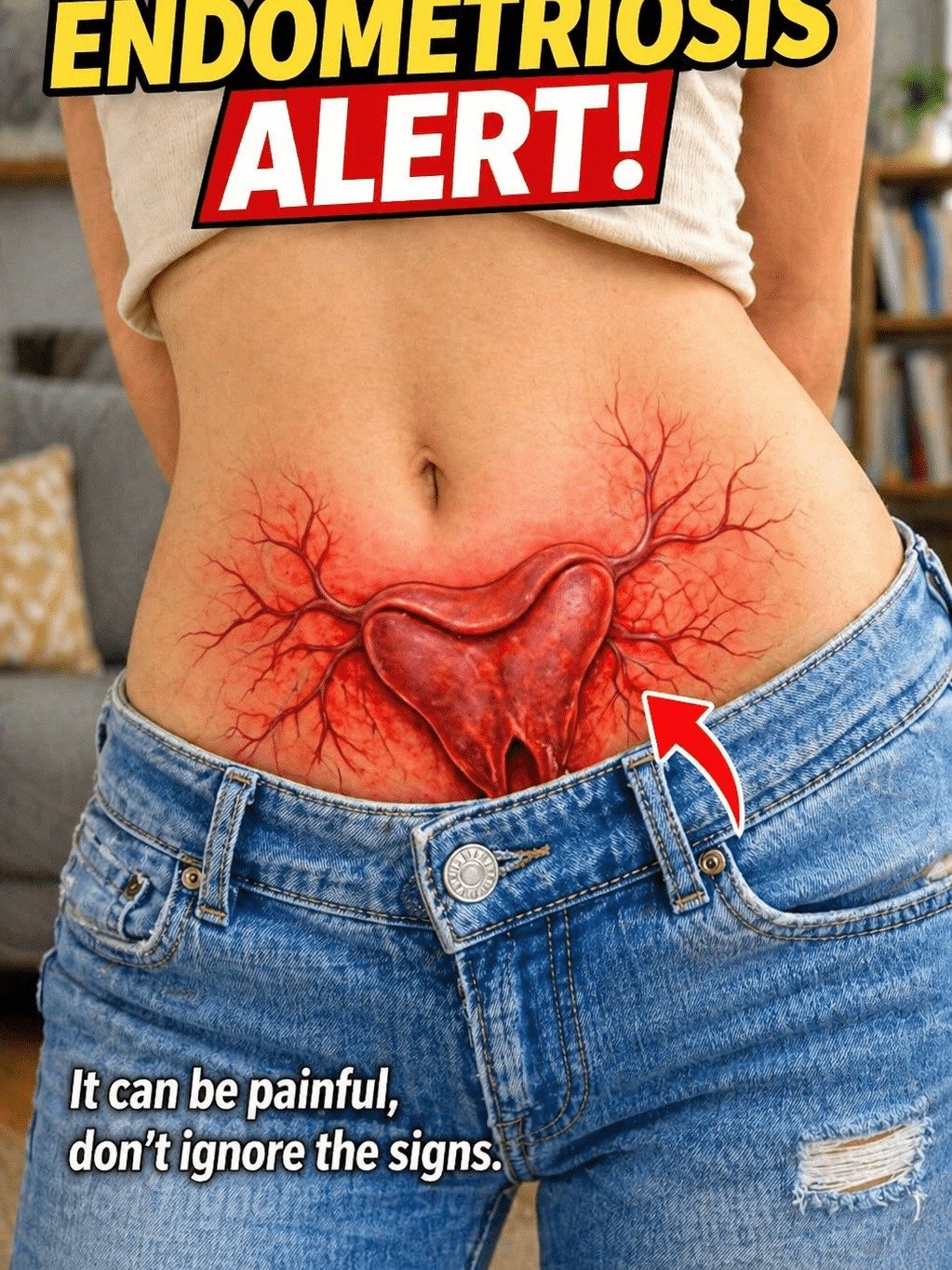
So, what exactly is endometriosis? Simply put, it’s a medical condition where tissue strikingly similar to the endometrium – the lining that normally cushions the inside of your uterus – begins to flourish outside of it. This rogue tissue frequently takes root in the pelvic region, but can appear elsewhere. Crucially, this misplaced tissue behaves just like the uterine lining, reacting to the ebb and flow of hormonal shifts throughout your menstrual cycle, leading to chronic inflammation and persistent irritation in its new locations.
The numbers are staggering: global health authorities, including the World Health Organization, estimate that endometriosis impacts a colossal 10% of women during their reproductive years across the globe – a figure translating to approximately 190 million individuals. While it most frequently manifests in women aged 20 to 49, it can emerge at any stage from puberty through menopause.
Yet, the story doesn’t end with physical pain alone. The far-reaching consequences of endometriosis often ripple into every facet of life, deeply influencing energy reserves, emotional well-being, and fundamentally diminishing overall quality of life for countless sufferers.
Common Signs Women Experience
When it comes to identifying endometriosis, one symptom stands out as the most commonly reported: persistent pelvic pain, especially pronounced during menstruation. For many, this isn’t just typical period discomfort; it’s a deep, often debilitating ache that can begin days before their period starts and linger long after it ends, feeling significantly more intense than ordinary cramps.
Beyond the characteristic pelvic pain, other red flags to watch for might include:
- Excessively heavy menstrual flow or unexpected bleeding that occurs between periods
- Noticeable discomfort or pain experienced either during or immediately following sexual intercourse
- Painful sensations during bowel movements or urination, which tend to intensify around your menstrual cycle
- Persistent, unexplained fatigue, accompanied by bloating or nausea that won’t go away
It’s crucial to understand that the presentation of these symptoms can vary dramatically from person to person. While some women experience only mild discomfort, others find their symptoms so severe that they profoundly disrupt their ability to attend school, perform at work, or engage in social activities. A critical point to remember is that not every individual with endometriosis will exhibit obvious symptoms, and surprisingly, the intensity of the pain doesn’t always correlate with how widespread the tissue growth is.
For a clearer picture, here’s a rapid rundown of the key indicators frequently reported by women living with this condition:
- Persistent pain in the pelvic region or lower back that unmistakably intensifies during menstrual cycles
- Periods so excruciatingly painful that they actively impede your ability to carry out daily responsibilities
- A nagging, chronic pelvic discomfort that persists even when you’re not menstruating
- Disturbing gastrointestinal problems, such as bouts of constipation or diarrhea, particularly noticeable around your cycle
- In certain instances, difficulties or challenges when trying to conceive
If any of these recurring patterns resonate with your own experiences, a powerful first step is to diligently track your symptoms over several menstrual cycles. This detailed record can provide invaluable insights and specific information to share with your healthcare provider, paving the way for a more accurate diagnosis.
Why Does This Happen? Exploring Possible Factors
While the precise origins of endometriosis remain a complex puzzle, medical experts have identified several compelling factors that are believed to contribute to its development. A leading theory is ‘retrograde menstruation,’ a phenomenon where, instead of all menstrual tissue exiting the body, some flows backward through the fallopian tubes into the pelvic cavity. Beyond this, hormonal imbalances, atypical immune system responses, and even genetic predispositions are all thought to play significant roles in the condition’s onset.
Scientific research has pinpointed several risk factors that appear to increase a woman’s susceptibility to endometriosis, including:
- A clear family history of the condition, suggesting a genetic link
- Experiencing the onset of menstruation at a particularly young age
- Having notably shorter menstrual cycles (fewer than 28 days) or enduring unusually long and heavy periods
- Never having carried a pregnancy to term or given birth
Ongoing and emerging studies are consistently delving deeper into the intricate immune and hormonal connections, underscoring precisely why endometriosis continues to be such an intensive and active area of medical research.
What’s the crucial message here? Endometriosis is the result of a multifaceted, complex interplay of various elements, and it’s essential to recognize that no single factor can fully account for every individual case.
How Endometriosis Can Affect Daily Life
The impact of endometriosis extends far beyond merely physical sensations; countless women vividly recount how this relentless discomfort infiltrates and reshapes their entire daily existence. The pervasive fatigue often associated with the condition can make maintaining an active lifestyle a daunting challenge, while recurring pain frequently results in missed workdays or a reluctant withdrawal from cherished social engagements. For individuals navigating the often-sensitive path of trying to conceive, endometriosis can introduce profound emotional complexities and added stress to an already vulnerable journey.
However, there’s a powerful and encouraging truth: simply gaining awareness is the pivotal first step toward effective management and regaining control. Many women discover that by educating themselves about their own bodies and this condition, they can significantly alleviate feelings of isolation and unlock vital opportunities for supportive, healing conversations.
To proactively track and mitigate the daily disruptions, many women successfully incorporate these practical strategies:
- Diligently maintaining a detailed symptom journal, meticulously noting pain intensity, specific timing, and potential triggers
- Consciously prioritizing adequate rest and incorporating gentle, mindful movement, especially during periods of heightened discomfort
- Actively seeking connection and shared understanding within supportive communities, whether through online forums or local in-person groups
Embracing these seemingly small habits can collectively lead to a profoundly meaningful difference, empowering you to feel significantly more in control of your health and well-being.
Steps You Can Take to Support Your Well-Being
Recognizing that every individual’s journey with endometriosis is distinct, there are nevertheless several proactive lifestyle adjustments that many women find instrumental in enhancing their comfort and overall well-being. It is always paramount to engage in open dialogue with your trusted healthcare provider to tailor these options to your specific circumstances and needs.
Consider these actionable and widely beneficial tips that many women have found helpful:
- Become a meticulous cycle tracker — Whether you prefer a dedicated app or a classic notebook, diligently record your symptoms, menstrual flow, and pain levels. This invaluable data forms a crucial foundation for productive discussions with your doctor.
- Embrace gentle, mindful movement — Incorporate low-impact activities such as leisurely walking, calming yoga, or refreshing swimming into your routine. These can significantly boost circulation and elevate mood without causing undue strain. Always begin gently and attune yourself to your body’s signals.
- Nourish your body with wholesome foods — Prioritize a diet rich in vibrant fruits, fresh vegetables, hearty whole grains, and potent omega-3 sources (like oily fish or ground flaxseeds). This dietary focus can play a supportive role in managing systemic inflammation. Many women also find benefit in reducing processed foods or excessive caffeine intake, particularly around their menstrual cycle.
- Make rest and stress reduction non-negotiable — Integrate calming practices like deep breathing exercises, mindfulness meditation, or simply ensuring you get sufficient, restorative sleep to alleviate tension. Simple heat therapy, such as a warm compress or bath, remains a comforting and effective go-to for many experiencing discomfort.
- Cultivate open and honest communication — Confidently share your experiences with trusted friends, family members, or your partner. Crucially, never hesitate to pursue a second medical opinion if you feel your concerns are not being thoroughly heard or adequately addressed.
It’s vital to understand that these recommendations are not presented as instantaneous cures, but rather as foundational pillars for cultivating sustainable habits that proactively support long-term comfort and enhanced well-being.
When to Reach Out for Professional Guidance
If you find that pelvic pain consistently interferes with your daily life, or if you’re experiencing symptoms such as unusually heavy bleeding, pain during sexual intercourse, or any other persistent and concerning changes in your body, it is absolutely essential to consult with a healthcare provider without delay. Initiating these crucial conversations early can pave the way for a much clearer understanding of your condition and unlock access to personalized, effective management strategies.
The diagnostic process typically involves a thorough discussion of your medical history, a comprehensive physical examination, and potentially further investigations such as imaging scans or other specialized evaluations. The primary objective is always to meticulously rule out other potential underlying conditions and then collaboratively explore the most appropriate and effective treatment options tailored specifically for you.
It’s a crucial distinction to remember: while some period discomfort is common, it should never be so severe that it prevents you from fully engaging in and enjoying your daily activities. Always trust your intuition if something simply doesn’t feel right within your body.
Living Well with Endometriosis: A Positive Outlook
It’s inspiring to note that countless women are successfully thriving with endometriosis by intelligently integrating cutting-edge medical insights with empowering self-care practices. Cultivating robust support networks, committing to ongoing education, and fostering close, collaborative relationships with knowledgeable healthcare providers demonstrably make a profound difference. Furthermore, the relentless pace of research continues to deepen our understanding of this condition, unveiling new perspectives and promising advancements year after year.
What’s the most vital message to carry forward? You are unequivocally not alone in this journey, and by actively embracing proactive steps, you can cultivate a profound sense of empowerment over your health and future.
Frequently Asked Questions (FAQ)
1. Is it possible for endometriosis to resolve spontaneously? Generally speaking, endometriosis is recognized as a chronic, long-term condition. However, it’s important to note that symptoms can fluctuate significantly over time, and for some women, they may even diminish or change considerably after menopause. Current management strategies are primarily centered on enhancing comfort and significantly improving overall quality of life.
2. Do all individuals with endometriosis experience severe pain? Absolutely not. The spectrum of experiences with endometriosis is incredibly broad – some individuals contend with pronounced and debilitating symptoms, while others report minimal discomfort or even no noticeable symptoms at all. Crucially, the intensity of pain experienced doesn’t always directly correspond to the actual extent or quantity of endometrial-like tissue present.
3. What is the connection between endometriosis and fertility? For some women, endometriosis can indeed impact fertility due to the inflammation or scarring it may cause. However, it’s incredibly important to emphasize that many individuals with the condition successfully conceive, often with the aid of medical support and interventions. Openly discussing your family planning aspirations with a healthcare provider is always a highly beneficial step.
4. Is there a straightforward, non-invasive test for endometriosis? Unfortunately, there isn’t a single, simple non-invasive test that definitively diagnoses endometriosis. Healthcare providers typically initiate the diagnostic process by thoroughly reviewing your symptoms and conducting physical examinations, utilizing imaging techniques as necessary. In certain instances, more extensive evaluations may be required to confirm the diagnosis and assess the full scope of the condition.
Final Thoughts
Embracing knowledge about endometriosis is a powerful act that helps shatter the pervasive silence and isolation many women have endured. By proactively recognizing its early signs and diligently exploring effective supportive strategies, you are empowered to take profoundly meaningful steps toward a future filled with greater comfort and well-being. We encourage you to share your personal experiences in the comments section below – your unique story could be the beacon of hope and support someone else desperately needs to feel seen and understood.
Disclaimer: Please be advised that this article is provided strictly for informational purposes and should not, under any circumstances, be considered a substitute for professional medical advice. Always consult with your qualified healthcare provider regarding any concerns you may have about your health, specific symptoms, or potential treatment options. It is crucial to remember that individual experiences with endometriosis vary widely, and personalized medical guidance remains absolutely essential.