 By admin
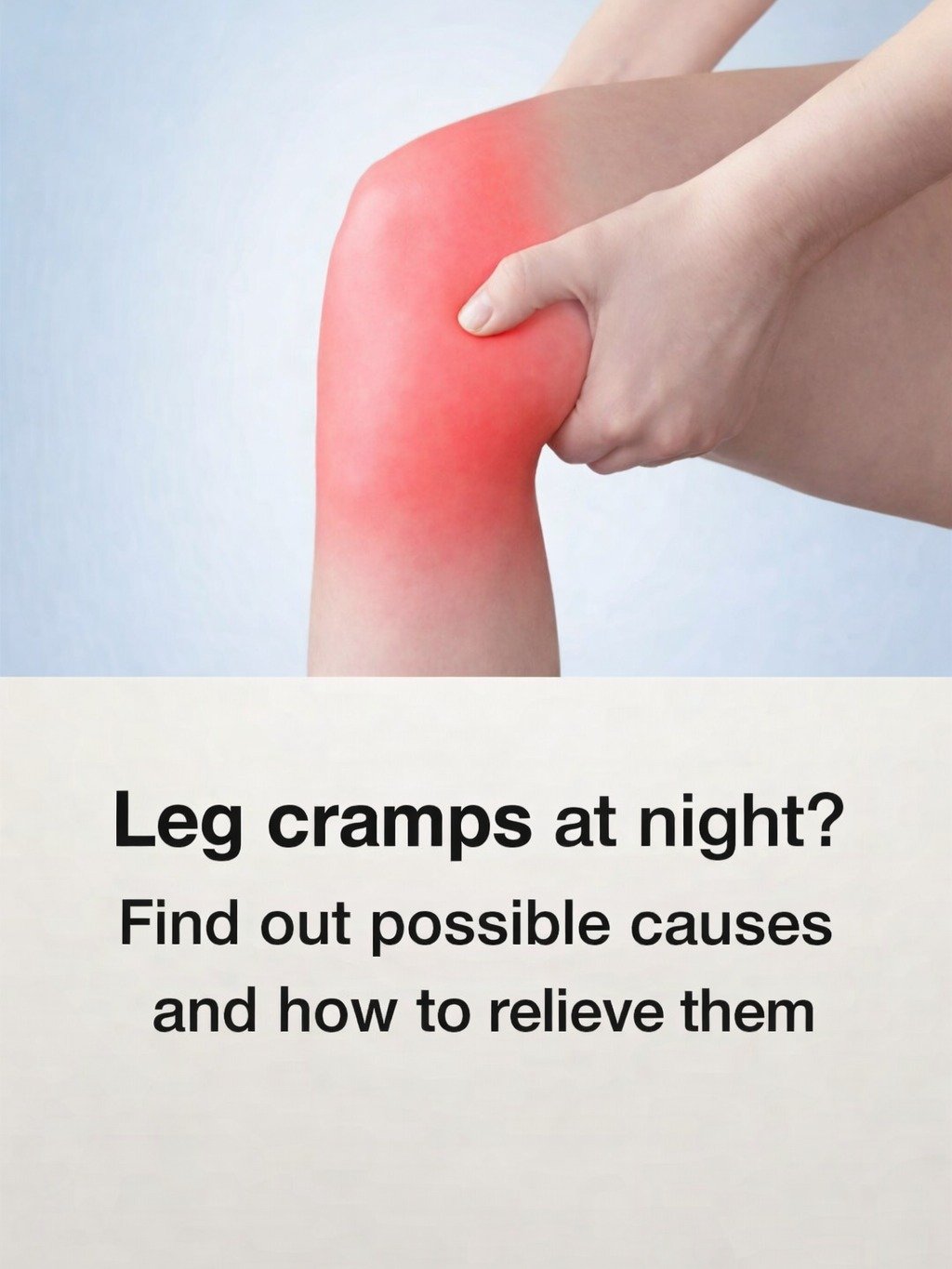
 Ever been jolted awake by a searing, involuntary pain in your leg, feeling like your muscle is tying itself into knots? If this agonizing experience sounds all too familiar, it’s time to pay close attention – because those frequent night cramps might be your body’s urgent way of signaling a deeper health concern.
While an occasional muscle spasm is a common nuisance, recurring nighttime leg cramps could be a critical indicator that something beneath the surface requires your attention. Don’t dismiss them as just a minor inconvenience.
This comprehensive guide will dive deep into the surprising causes of nocturnal leg cramps, uncover what these painful episodes could truly signify for your well-being, and equip you with powerful, actionable strategies to prevent them from disrupting your precious sleep.
What Are Night Leg Cramps?
Nocturnal leg cramps, as they are medically known, manifest as abrupt, uncontrolled muscle contractions that typically seize your calves, thighs, or feet. These intense spasms can grip you for mere seconds or stretch into several agonizing minutes, frequently leaving behind a persistent, tender ache.
Their most frustrating characteristic is their tendency to strike precisely when you’re trying to unwind or are deep in slumber, severely compromising the restorative quality of your sleep.
Common Causes of Night Cramps
While the precise trigger for these nighttime invaders isn’t always immediately apparent, a range of identifiable factors significantly elevate your susceptibility to experiencing nocturnal muscle cramps:
1. Mineral and Vitamin Deficiencies
A frequent culprit behind those unwelcome night cramps is an insufficient intake of vital nutrients. When your body experiences depleted levels of the following, your muscle function can be significantly compromised:
- Magnesium
- Potassium
- Calcium
- Vitamin D
- Vitamin B1 and B12
These crucial nutrients are indispensable for the intricate processes of muscle contraction and relaxation. A deficiency in any of them can leave your muscles vulnerable, making them far more susceptible to painful spasms and debilitating cramps.
2. Dehydration
Failing to consume adequate amounts of water throughout your day can quickly result in critical electrolyte imbalances, directly impairing the optimal functioning of your muscles. This makes dehydration a primary and potent trigger for muscle cramps, particularly those that strike during your resting hours.
3. Muscle Fatigue or Overuse
After enduring extended periods of physical exertion, such as prolonged standing, intense walking, or vigorous exercise, your muscles can reach a state of significant fatigue. This exhaustion dramatically heightens their propensity to cramp up once you finally settle down to rest.
4. Prolonged Sitting or Inactivity
Remaining in a static position for extended durations—be it seated at a desk or lying still in bed—can impede healthy blood circulation. This restriction often results in muscle stiffness and, consequently, an increased risk of developing painful cramps.
5. Age and Pregnancy
- As individuals age, natural changes in muscle tissue and tendons make older adults significantly more susceptible to experiencing cramps.
- Expectant mothers often find themselves battling nocturnal cramps, a common occurrence particularly prevalent during the later trimesters of pregnancy.
6. Underlying Health Conditions
Persistent and frequent cramps can also serve as a potential indicator of various underlying medical conditions, including:
- Diabetes
- Nerve disorders
- Kidney or liver disease
- Compromised blood circulation
It’s crucial to understand that, in some less common scenarios, persistent and unexplained cramping might be a symptom of a more severe health issue, warranting prompt medical evaluation by a qualified physician.
Are Night Cramps Dangerous?
While most instances of nocturnal leg cramps are generally benign and not a cause for serious alarm, it’s important to recognize that they can occasionally serve as significant indicators of deeper, unaddressed health concerns or critical nutritional imbalances within your body.
You should consider consulting a healthcare professional without delay if you begin to experience any of the following concerning symptoms:
- Cramps that strike with alarming frequency, occurring multiple times within a single week.
- Intense, debilitating pain that consistently interrupts and severely compromises your ability to achieve restful sleep.
- Noticeable swelling, persistent redness, or an unusual warmth emanating from the affected leg.
- Any accompanying signs of muscle weakness or persistent numbness in the affected area.
How to Prevent Night Cramps
The encouraging news is that you don’t have to suffer silently. There are straightforward yet highly effective strategies you can implement to significantly reduce the occurrence of, or even entirely prevent, those unwelcome night cramps:
Stay Hydrated
Make a conscious effort to consume ample amounts of water consistently throughout your day. This proactive approach is vital for maintaining a healthy electrolyte balance, which is crucial for proper muscle function.
Improve Your Diet
Actively incorporate foods into your daily meals that are naturally abundant in key minerals and vitamins:
- Magnesium (found in nuts, dark leafy greens)
- Potassium (plentiful in bananas, various beans)
- Calcium (rich in dairy products, tofu)
- Vitamin D (obtainable through safe sun exposure, fatty fish)
Stretch Before Bed
Adopting a routine of gentle stretching for your calf and other leg muscles each evening before bed can dramatically diminish the frequency and intensity of muscle cramps.
Stay Active
Engaging in consistent, moderate physical activity throughout the day is crucial, as it effectively boosts overall circulation and contributes significantly to robust muscle health.
Adjust Sleeping Position
Be mindful of your sleeping environment; steer clear of excessively tight blankets and awkward postures that could inadvertently constrict blood flow to your limbs during the night.
When Should You See a Doctor?
Should you find that these lifestyle adjustments fail to alleviate your symptoms and your cramps continue to plague you, it is absolutely essential to seek the guidance of a qualified healthcare professional. They may recommend blood tests to meticulously check for any underlying nutritional deficiencies or more serious medical conditions.
Final Thoughts
While nocturnal leg cramps might often be dismissed as nothing more than a fleeting annoyance, it’s vital to recognize their potential as a significant signal that your body is urgently calling for attention. Whether the root cause is simple dehydration, a critical nutrient deficiency, or a more serious underlying health issue, understanding and addressing it is the crucial first step toward lasting relief and improved well-being.
Above all, tune into your body’s messages – those persistent nighttime cramps aren’t just pain; they could be trying to communicate something profoundly important about your health that you simply cannot afford to ignore.