 By admin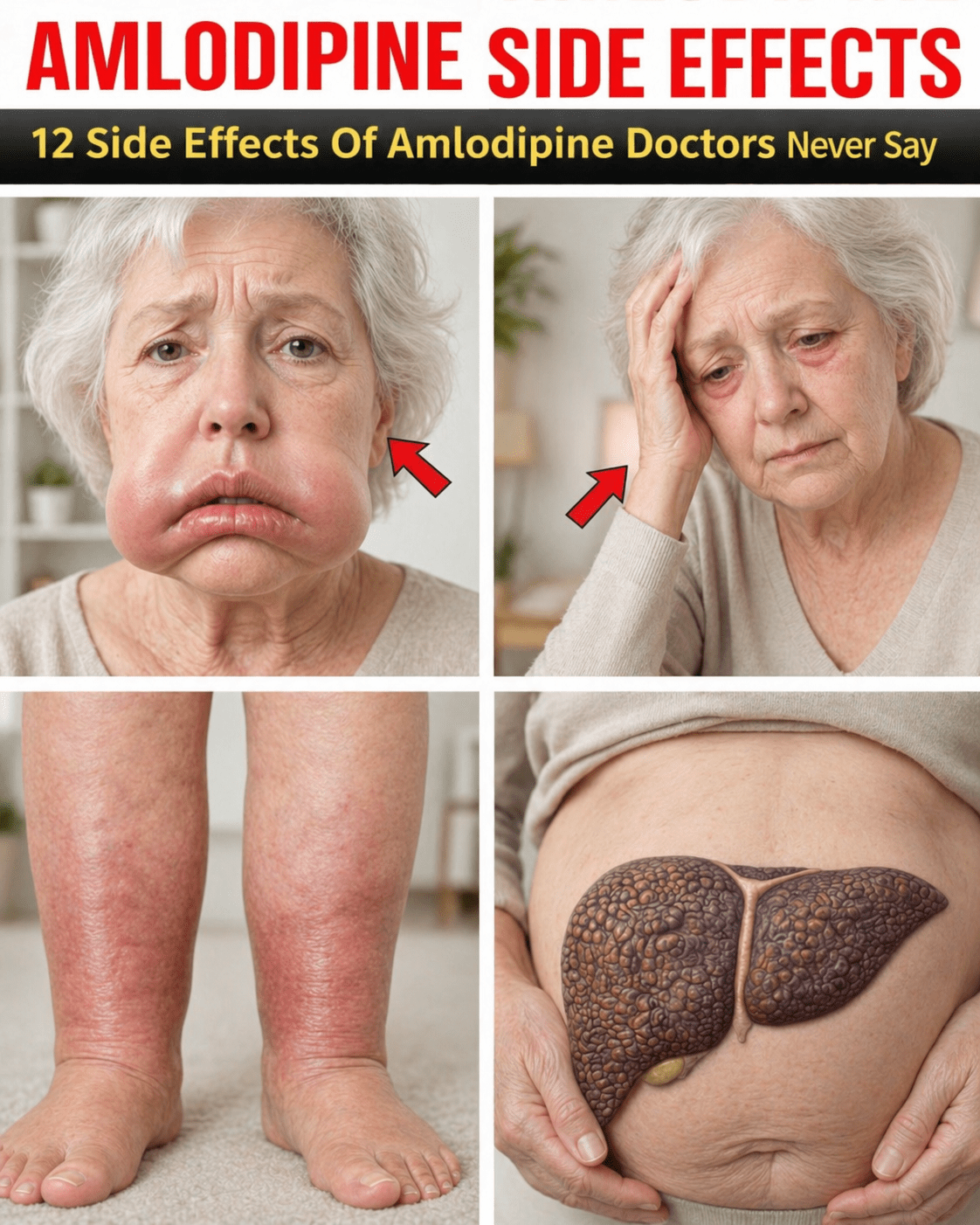
Puffy ankles that make your favorite shoes feel far too tight, and a quiet shift in your daily energy levels. Taking Amlodipine is a daily routine for millions managing their heart health. Yet, some of the physical changes it triggers are rarely discussed during a rushed doctor’s visit. You may have seen alarming images online of severe facial swelling or strange skin reactions. The reality is usually much closer to home, far less intimidating, and much easier to manage. Below, you will discover the specific signs your body is reacting to this common medication, the unusual connection to your dental health, and one simple evening habit that changes everything.

The evening shoe struggle. Imagine taking off your socks at the end of the day and seeing deep, visible indentations around your ankles. This fluid buildup, known medically as peripheral edema, is the most widely reported sign that your calcium channel blocker is working a little too enthusiastically. As the medication relaxes your blood vessels to lower your pressure, it can force fluid out into the surrounding tissues. This leaves your legs feeling heavy and tight, making an evening walk or simply standing in the kitchen feel like a monumental chore.
Your three-step morning check. Before you worry about these changes, you can easily spot the early signs by checking three simple things when you first wake up.
- Press gently on your shin bone for a few seconds; if the subtle indentation lingers when you remove your finger, your body is holding excess fluid.
- Notice if your hands feel unusually stiff, tight, or difficult to close into a fist right after getting out of bed.
- Pay close attention to any sudden dizziness or a wave of lightheadedness when you stand up from the edge of your mattress.
That bone-deep exhaustion. It is incredibly easy to blame a sluggish afternoon on getting older, having a busy week, or just experiencing a poor night of sleep. However, profound fatigue is a surprisingly common signal from your medication. When your blood vessels dilate, the subtle, continuous changes in your blood flow can leave you feeling entirely drained, as if you are dragging yourself through your daily routine. Many people find that this exhaustion builds slowly over weeks, leaving them wondering where their natural vitality went.
A sudden flush of warmth. You might be sitting in a perfectly cool room when your face, neck, or chest suddenly feels hot and red. It feels like a sudden blush that simply will not quit. This vasodilatory effect is a direct result of the medication widening your blood vessels. While it is usually temporary and tends to improve as your body adjusts over time, it can be an embarrassing and frustrating experience when it catches you off guard in social situations.

The unexpected tension. Sometimes, a throbbing or pounding sensation hits shortly after you take your morning dose, wrapping around your head like a tight tension band. Clinical data highlights headaches as one of the top early complaints when starting this medication or adjusting the dosage. For most, this intense feeling settles down as the body acclimates, but it is a quiet reminder of how powerfully these tiny pills alter your internal environment.
The surprising sleep thief. You spend all day feeling exhausted, yet when you finally lie down at night, your mind is racing and your body refuses to settle. Some patients refer to this as the sleep doctor’s enemy. This unexpected wave of unease, heightened anxiety, or frequent waking disrupts your restorative rest. It is not just everyday stress; it is a physical reaction that can amplify emotional shifts and make falling asleep feel impossible.

The unusual dental connection. One of the most unexpected reactions happens right in your mouth. You might begin to notice your gums becoming tender, unusually swollen, or even slightly overgrown, making your morning and evening brushing routine highly uncomfortable. This is a quiet effect that many people endure in silence for months. They mistakenly blame an aggressive toothbrush, a lack of flossing, or their diet, never realizing that the true culprit is sitting in their daily pill organizer.
A sudden fluttering in your chest. It can be deeply unsettling to be resting quietly in your favorite chair, only to suddenly feel your heart racing, pounding, or skipping a beat. These palpitations create an uncomfortable awareness of your own heartbeat and often prompt nervous, urgent calls to the clinic. While it feels terrifying in the moment, it is frequently just your cardiovascular system attempting to adjust to the medication’s ongoing impact on your natural heart rhythm.

The paradoxical pressure. Here is something truly counterintuitive: a pill specifically designed to protect your heart and ease its workload can, in rare instances, actually cause your chest discomfort to worsen. This paradoxical effect often occurs when you first start taking the medication or immediately after your doctor increases the dose. Your body isn’t broken — it may just need a different approach. If you ever feel new, worsening, or unfamiliar chest pressure, that is the one absolute signal you should never ignore or attempt to push through.
Pins and needles that linger. As the weeks go by, a smaller number of people begin to experience a persistent tingling, a burning sensation, or numbness in their hands and feet. This neuropathy-like feeling is rarely mentioned upfront in brief consultations, leaving many seniors to worry that they are suddenly developing a completely new, debilitating health condition.
Taking back your daily comfort. Managing these physical shifts often comes down to small, strategic lifestyle tweaks rather than suddenly abandoning your prescribed treatment. Elevating your legs on a soft cushion whenever you sit to watch television or read can dramatically reduce ankle fluid by the end of the day. Embracing a low-salt diet helps prevent your body from stubbornly holding onto that excess water. Staying well-hydrated helps flush your system, while intentionally taking your time when standing up prevents that sudden, dangerous wave of lightheadedness.
Living well after sixty means listening to the quiet whispers of your body before they ever have the chance to become shouts. Remember that swollen ankles, sudden afternoon fatigue, and unexpectedly tender gums are your body’s way of communicating with you, not failing you. Watch for that evening puffiness as an early flag, never ignore unusual mood shifts or chest pressure, and speak openly with your doctor about finding the perfect balance for your routine. Small, informed adjustments can make a massive difference in your daily comfort, keeping you active, confident, and fully in control of your health.
P.S. Remember that unusual dental connection we mentioned earlier? The fantastic news is that medication-induced gum overgrowth is often completely reversible once recognized. Simply staying meticulously on top of your daily dental hygiene and scheduling regular, gentle cleanings can keep your smile healthy while your heart remains protected.
This article is for informational purposes only and does not replace professional medical advice. Please consult your healthcare provider for personalized guidance.