 By admin
 Imagine a vital organ working tirelessly to keep you alive, yet silently deteriorating without a single alarm bell. For millions of older adults, this isn’t a hypothetical scenario—it’s the chilling reality of kidney health. While a groundbreaking discovery about the protein IL-11 is revealing new hope, the most powerful insights for protecting your kidneys are surprisingly simple, and available to you right now.
Why Do Kidneys Age Silently?
Your kidneys are unsung heroes, diligently filtering toxins, balancing essential fluids, and maintaining healthy blood pressure. Yet, they possess an uncanny ability to lose function gradually, often without any noticeable symptoms until significant damage has occurred.
This is precisely why so many people find themselves saying:
“I felt fine… until the test results came back.”
Your body is incredibly resilient, capable of compensating for years, effectively masking the underlying issues until they become critical.
Common Risk Factors for Kidney Damage
- Uncontrolled high blood pressure
- Poorly managed diabetes
- Excessive salt consumption
- Chronic dehydration
- Regular use of certain anti-inflammatory medications
- Sedentary lifestyle choices
- Smoking habits
As we naturally age, our kidney reserve diminishes, rendering these everyday habits even more detrimental to long-term health.
What Did Scientists Discover About IL-11?
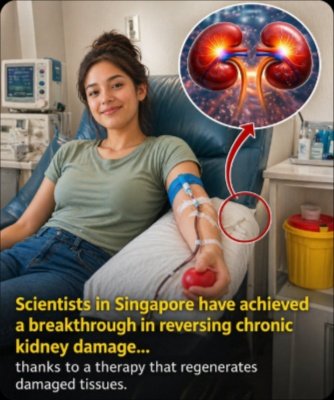
Cutting-edge research has recently pinpointed a specific protein known as Interleukin-11 (IL-11), which appears to play a crucial role in the body’s inflammatory responses and the formation of tissue scarring.
When kidneys endure repeated stress or injury, the body’s attempt at repair can sometimes lead to the development of internal “scar tissue” (fibrosis), which severely hinders the kidneys’ ability to function effectively.
Key Findings from Research
In controlled laboratory and animal studies, researchers observed remarkable results when IL-11 was specifically blocked:
- Significant reduction in inflammation
- Decreased formation of tissue scarring (fibrosis)
- Noticeable improvement in key markers of kidney function
Important Note
It is crucial to understand that this research does not signify an immediate cure. These promising findings are still in the early stages of investigation and are not yet available as a standard medical treatment.
What This Means for Older Adults
It’s easy to fall into the trap of thinking:
“I’ll just wait for future treatments to fix it.”
However, adopting this mindset could be a critical error.
The profound insight from this research is that kidney damage is inextricably linked to chronic inflammation and deeply ingrained, long-term habits—elements you have the power to influence and improve starting today.
Everyday Habits That Harm Kidney Health
| Habit | Potential Impact |
|---|---|
| High salt intake | Leads to fluid retention and elevated blood pressure |
| Frequent sugary drinks | Increases metabolic burden and stress on kidneys |
| Over-reliance on painkillers | Can directly strain and damage kidney function |
| Lack of physical activity | Contributes to poor circulation and inefficient metabolism |
| Skipping medical check-ups | Results in delayed diagnosis and treatment of issues |
You absolutely do not need to wait for revolutionary scientific breakthroughs to start actively protecting your kidney health.
7 Daily Habits to Protect Your Kidneys
1. Monitor Your Blood Pressure Consistently
Sustained high blood pressure is a silent assailant that progressively damages the delicate blood vessels within your kidneys.
2. Drastically Reduce Your Salt Intake
Instead of excessive salt, flavor your meals creatively with a variety of herbs, fresh lemon, aromatic garlic, and vibrant spices.
3. Make Daily Activity a Priority
Even a brisk walk of 20–30 minutes each day can significantly boost circulation and support healthy metabolic function.
4. Hydrate Smartly and Regularly
Ensure you’re drinking enough water, adjusting your intake based on your unique health needs and environmental factors.
5. Maintain Strict Blood Sugar Control
This is particularly vital for individuals managing diabetes or those diagnosed with prediabetes to prevent kidney complications.
6. Exercise Caution with Medications
Be especially mindful of overusing certain over-the-counter drugs, particularly non-steroidal anti-inflammatory medications.
7. Prioritize Regular Medical Check-Ups
Simple, routine tests like creatinine levels or a comprehensive urine analysis can be instrumental in detecting potential issues early.
Remember, seemingly minor actions, when consistently integrated into your daily routine, can accumulate into a profound difference for your kidney health.
Warning Signs You Shouldn’t Ignore
While early kidney disease often presents no obvious symptoms, it’s imperative to consult a healthcare professional immediately if you start to notice any of the following:
- Unexplained swelling in your ankles or feet
- Persistent and overwhelming fatigue
- Any significant changes in your urine habits or appearance
- Blood pressure that is suddenly difficult to control
- Frequent bouts of nausea without a clear cause
- A noticeable loss of appetite
- Unrelenting or ongoing itching sensations
Many individuals mistakenly dismiss these crucial indicators as merely “part of aging”—but they could be signals of a more serious underlying condition.
A Simple 7-Day Plan to Start Today
Day 1: Consciously assess your daily salt intake
Day 2: Add an extra 15 minutes of walking to your day
Day 3: Swap one sugary beverage for a glass of refreshing water
Day 4: Take the initiative to schedule a comprehensive health check-up
Day 5: Make it a habit to carefully read food labels for sodium content
Day 6: Incorporate more vegetables into at least one main meal
Day 7: Begin tracking your blood pressure or any new symptoms you experience
These steps are simple—yet incredibly powerful for your kidney health.
Will IL-11-Based Treatments Become Available?
While it’s a possibility, it’s important to understand that such treatments are not expected to be available in the immediate future.
Any groundbreaking new therapy must undergo rigorous and extensive testing for both safety and proven effectiveness, a process that typically spans many years.
For the time being, the most effective strategy for kidney health involves a powerful combination of leveraging modern scientific understanding with consistent daily prevention.
Conclusion
The exciting discovery surrounding IL-11 undoubtedly paves the way for promising future advancements in kidney treatments. However, the most immediate and impactful protection you can offer your kidneys today stems directly from your everyday lifestyle choices:
- Proactively managing your blood pressure
- Consciously reducing your salt intake
- Committing to staying physically active
- Ensuring you receive regular medical check-ups
Don’t passively wait for a potential future solution when you possess the power to make a significant difference in your kidney health right now.
Frequently Asked Questions
Does IL-11 research mean kidney damage can be reversed?
Not at this stage. While it’s a highly encouraging direction for future research, it does not currently represent an available treatment or cure.
When should kidney function typically be checked?
It is generally recommended for adults over the age of 60 to discuss kidney function screening with their doctor, or even earlier if you have risk factors like diabetes, hypertension, or obesity.
Does simply drinking more water effectively cleanse the kidneys?
While adequate hydration is certainly beneficial for kidney health, simply consuming excessive amounts of water isn’t always advantageous and may even be harmful depending on individual health conditions. Always consult your doctor for personalized advice.
Important Disclaimer
This article is provided strictly for general informational purposes and should never be considered a substitute for professional medical advice, diagnosis, or treatment. If you are experiencing symptoms or have existing health conditions, it is essential to consult with a qualified healthcare professional.