 By admin
 Millions worldwide rely on cassava, but what if this common root vegetable holds secrets that could dramatically impact your health? Before you take another bite of yuca or manioc, there are crucial insights about its effects on your body that doctors want you to understand. This isn’t just about nutrition; it’s about making informed choices for your well-being. Here are 11 essential facts about cassava, including critical revelations from health professionals that everyone should know.
1. Cassava Is a Major Source of Energy
This root vegetable is undeniably a powerhouse of carbohydrates, positioning it as an outstanding source of energy. It’s precisely this characteristic that has cemented its status as a fundamental staple food across numerous tropical nations, fueling daily life for countless individuals.
2. It Is Naturally Gluten-Free
For individuals navigating gluten intolerance or celiac disease, cassava offers a welcome and safe dietary option. Its inherent gluten-free nature makes it a highly sought-after and popular substitute for traditional wheat-based items in a variety of recipes.
3. Rich in Vitamin C
Beyond its energy-giving properties, cassava also provides a notable amount of vitamin C. This vital nutrient is crucial for bolstering your immune system’s defenses and plays a significant role in maintaining vibrant, healthy skin.
4. Contains Resistant Starch
One of cassava’s lesser-known but powerful components is resistant starch. This type of starch acts as a prebiotic, potentially fostering a thriving gut microbiome and enhancing overall digestive function by nourishing beneficial gut bacteria.
5. Low in Protein
While cassava offers several nutritional advantages, it’s important to note its relatively low protein content. To ensure a well-rounded and balanced dietary intake, it’s advisable to pair cassava with other foods that are rich in protein.
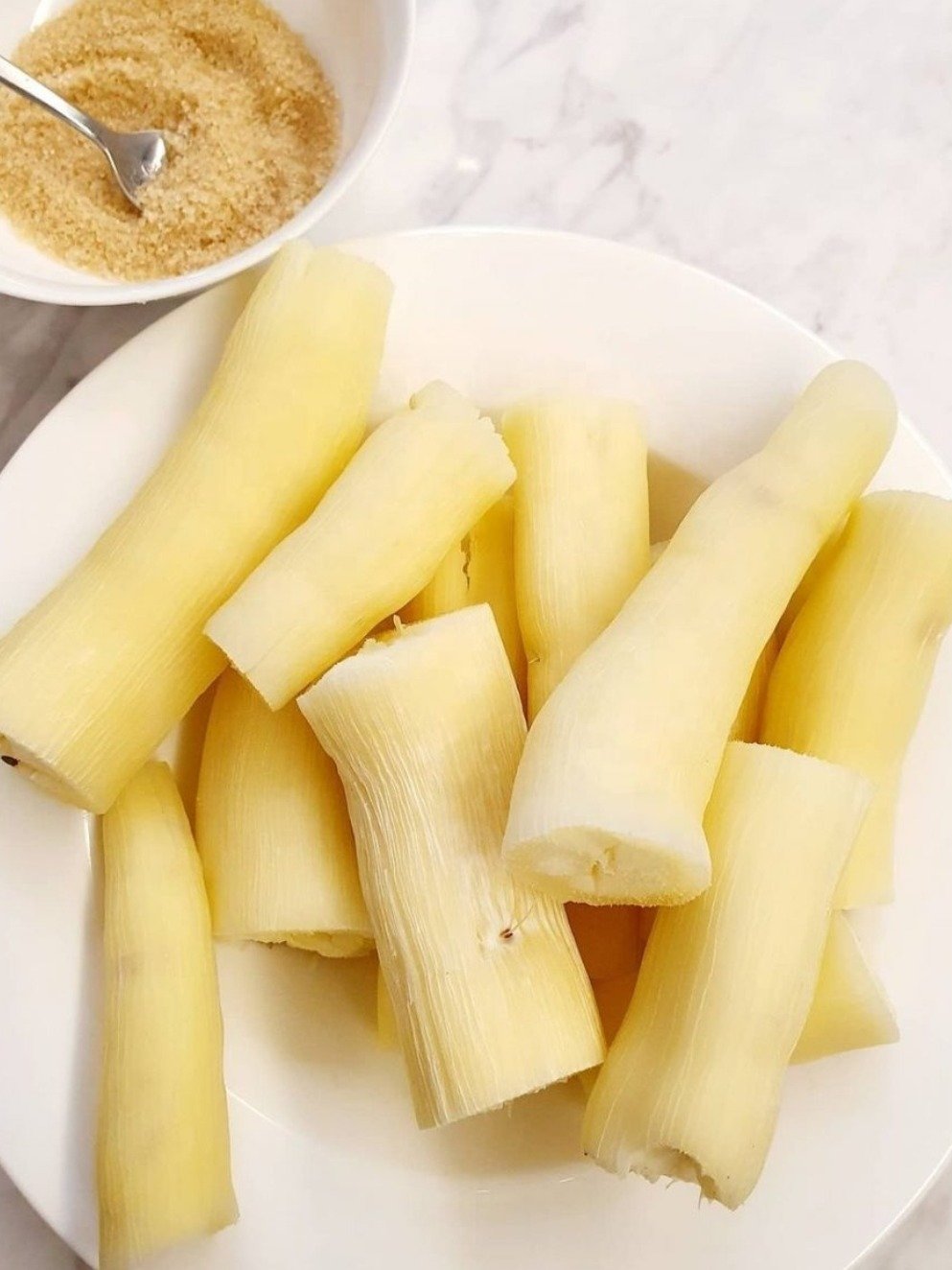
6. Can Be Toxic If Not Prepared Properly
Here’s a critical warning: raw cassava naturally harbors cyanogenic compounds capable of releasing toxic cyanide. To neutralize these dangerous substances and render it safe for consumption, meticulous preparation involving thorough peeling, soaking, and extensive cooking is absolutely non-negotiable.
7. May Increase Blood Sugar Levels
Medical professionals frequently caution that cassava possesses a high glycemic index. This means consuming it can lead to a rapid spike in blood sugar levels, a crucial factor that individuals with diabetes must diligently monitor and manage within their dietary plans.
8. Supports Weight Gain
Given its substantial caloric density, incorporating large portions of cassava into your diet can indeed contribute to weight gain. Those mindful of their calorie intake should consider this when planning their meals.
9. Good for Digestive Health
Once correctly prepared and cooked, cassava can actually prove quite soothing for the stomach. It may offer relief and support for individuals who frequently experience various digestive sensitivities or issues.
10. Versatile in Cooking
Beyond its nutritional profile, cassava shines in the kitchen due to its incredible versatility. It can be transformed in countless ways: boiled to tenderness, crisply fried, mashed into a comforting side, or even ground into a fine flour, making it an adaptable ingredient for a wide array of dishes.
11. Overconsumption Can Be Harmful
Health authorities issue a stern warning regarding the excessive consumption of cassava. Ingesting too much, particularly if it hasn’t been processed with the utmost care, can unfortunately escalate to serious health complications, including the severe danger of cyanide poisoning or significant nutrient imbalances within the body.
Conclusion
In summary, cassava stands as a remarkably nutritious and energy-packed food, yet it undeniably comes with its own set of distinct benefits and potential risks. Medical professionals consistently underscore the paramount importance of both meticulous preparation and mindful moderation. When integrated safely and thoughtfully as a component of a diverse, balanced diet, cassava can indeed serve as an incredibly valuable and enriching addition to your culinary repertoire.