 By admin
 What if the nagging fatigue or recurring fever you’ve been experiencing isn’t just a common cold, but a crucial early warning from your body? The Human Immunodeficiency Virus (HIV) is a formidable condition that progressively weakens your immune system, leaving your body highly susceptible to severe infections and diseases. Recognizing its presence early is not just beneficial—it’s absolutely vital for successful treatment and maintaining your long-term well-being.
Alarmingly, many individuals overlook the initial indicators of HIV because these symptoms often mimic those of ordinary illnesses. This article is designed to shed light on 10 critical HIV symptoms you must never dismiss, along with clear guidance on when it’s time to consult a medical professional.
Unmasking the First Signs: What Are the Early Indicators of HIV?
The manifestation of HIV symptoms can be quite diverse, varying significantly among individuals. While some may experience flu-like symptoms shortly after the initial infection, others might not notice any discernible signs for several years, making awareness even more critical.
Being able to identify these crucial early warning signs can empower you to seek testing and commence treatment without delay, which is paramount for managing the condition effectively.
10 Common HIV Symptoms You Can’t Afford to Ignore
1. Persistent Fever
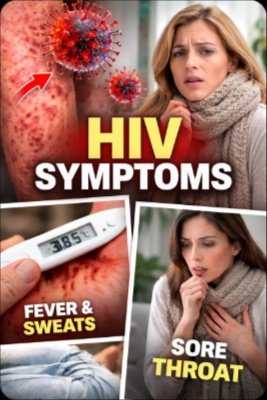
A low-grade fever that lingers and frequently recurs is often one of the very first indicators of HIV. It might appear sporadically and is typically accompanied by other concerning symptoms.
2. Debilitating Fatigue
Experiencing unusual and relentless exhaustion that persists even after adequate rest can be a significant red flag, signaling a compromised immune system struggling against infection.
3. Swollen Lymph Nodes
Noticeable swelling in your lymph nodes, particularly in the neck, armpits, or groin area, is a common immune response to an infection and could be an early indication of HIV.
4. Chronic Sore Throat
A sore throat that stubbornly refuses to clear up without an obvious cause, such as a cold or flu, can sometimes be an overlooked early symptom of HIV.
5. Unexplained Skin Rashes
Various types of rashes can manifest across different areas of the body. These skin eruptions can differ widely in appearance and may or may not cause itching, making them easy to dismiss.
6. Drenching Night Sweats
Regularly waking up soaked in sweat, far beyond what would be expected from a warm room, is another frequent and concerning symptom often associated with HIV infection.
7. Aches in Muscles and Joints
Experiencing persistent body aches and joint pains, without any clear history of physical exertion or injury, can be a sign of your body reacting to the presence of an infection.
8. Unexpected Weight Loss
A sudden and noticeable drop in body weight, occurring without any intentional changes to your diet or exercise routine, can be a serious indicator of underlying immune system challenges.
9. Persistent Mouth Ulcers
The appearance of painful sores or ulcers inside the mouth or on the tongue can develop in certain individuals, often signaling an issue with the immune system.
10. Lingering Digestive Problems
Ongoing gastrointestinal issues such as persistent nausea, chronic diarrhea, or recurrent vomiting can be strongly linked to an HIV infection and should not be overlooked.
Act Fast: When Is It Time to Get Tested?
If you find yourself experiencing a combination of these symptoms, or if there’s any reason to suspect potential exposure to HIV, taking immediate action is paramount. It’s absolutely crucial to:
- Get tested without any delay
- Seek guidance from a qualified healthcare professional
- Refrain from attempting self-diagnosis
Timely testing paves the way for prompt treatment, which can dramatically enhance your quality of life and significantly lower the risk of transmitting the virus to others.
The Game Changer: Why Early Detection is Non-Negotiable
Thanks to incredible advancements in medicine, modern treatments, particularly antiretroviral therapy (ART), now enable individuals living with HIV to lead full, healthy, and long lives. An early diagnosis is key because it helps to:
- Safeguard your precious immune system
- Minimize the potential for serious health complications
- Prevent further transmission of the virus to others
Essential Prevention Strategies
- Always practice safer sex practices
- Ensure consistent use of barrier protection
- Never share needles or other injecting equipment
- Prioritize regular health screenings and checkups
Final Thoughts
While HIV remains a serious health challenge, the profound impact of early detection cannot be overstated. Gaining a clear understanding of the early symptoms of HIV and taking swift, decisive action is absolutely fundamental to safeguarding your health and future.
If you observe any unusual or persistent symptoms that concern you, do not hesitate or ignore them—instead, actively seek professional medical advice and get tested without delay.
Disclaimer: Please remember, this article is intended solely for informational purposes and should never be considered a substitute for professional medical advice. Always consult a qualified healthcare professional for accurate diagnosis and personalized treatment plans.