 By admin
 Are you seeing more hair in your brush than ever before, feeling that familiar pang of worry every time you look in the mirror? It’s easy to feel overwhelmed by thinning hair, especially when social media is flooded with ‘miracle’ cures. One trend, the papaya leaf hair rinse, has taken the internet by storm, promising luscious locks overnight. But what if I told you there’s a critical piece of information about this viral remedy that nearly everyone is missing?
What Is the Papaya Leaf Hair Treatment Trend?
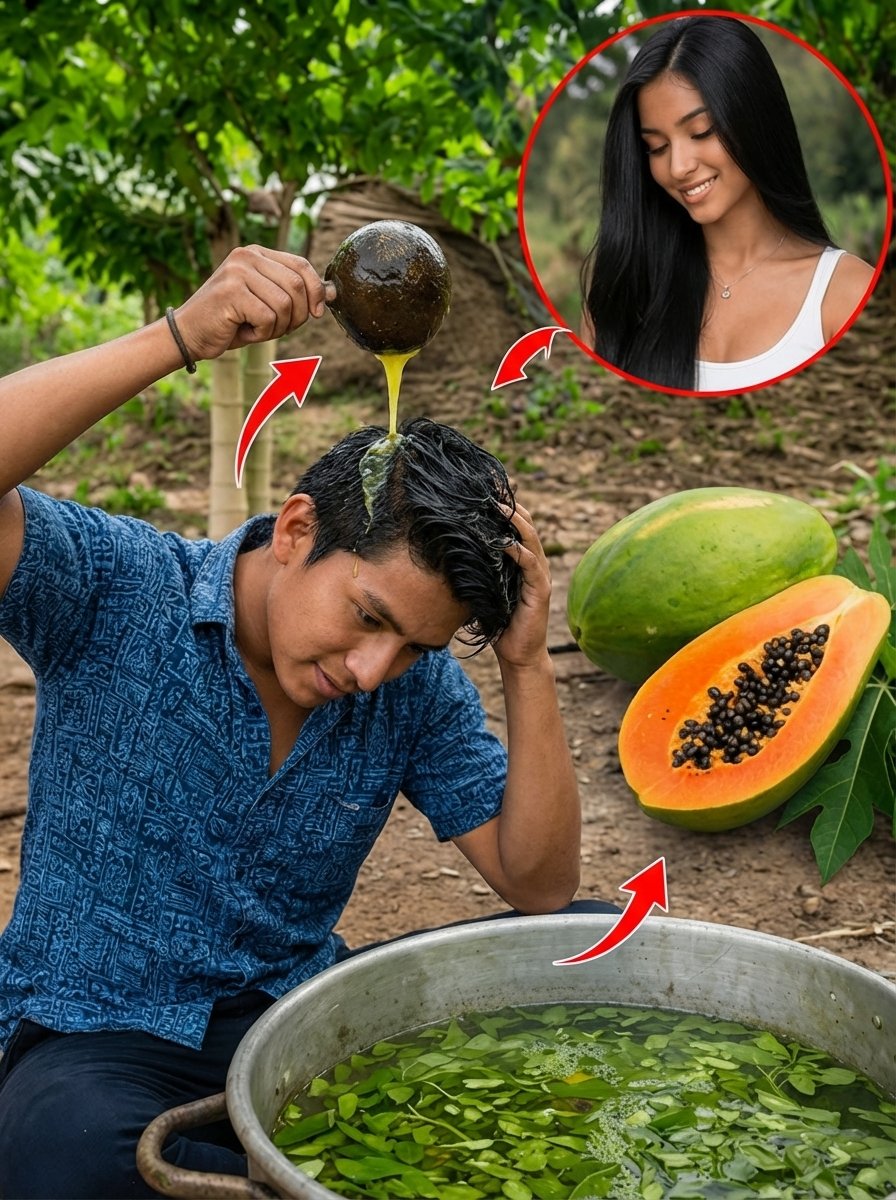
The papaya leaf hair rinse has exploded in popularity as a supposed natural solution for boosting hair health and vitality. Typically, this involves simmering papaya leaves in water, then applying the resulting liquid directly to the scalp as a potent, homemade treatment.
Its appeal is undeniable: it feels organic, is incredibly budget-friendly, and can be easily prepared right in your own kitchen. And yes, it taps into ancient wisdom, as many cultures have historically utilized plant-based rinses for generations.
However, here’s a crucial reality check: just because something is ‘natural’ doesn’t automatically mean it’s universally safe or suitable for everyone.
Scientific investigations into papaya leaves reveal they are rich in beneficial enzymes like papain, alongside powerful antioxidants. These compounds are known for their potential to gently cleanse the scalp and effectively reduce unwanted buildup.
Yet, the specific scientific evidence directly linking papaya leaf rinses to accelerated hair growth remains surprisingly scarce. This is a significant detail often conveniently omitted from those captivating viral posts.
And it’s precisely at this point that a healthy dose of caution becomes absolutely vital.
Why People Believe It Works So Well
Let’s be completely honest. When individuals are experiencing the distress of hair thinning or loss, they often become more inclined to try almost anything that offers a glimmer of hope.
Several compelling factors contribute to the rapid spread of this particular trend:
• It relies on readily available ingredients found in many parts of the world
• It resonates with age-old traditional healing practices
• It promises noticeable improvements without the need for costly commercial products
• Its propagation is fueled by powerful personal stories and emotional testimonials
But this narrative, while persuasive, doesn’t paint the entire picture.
The underlying truth is that any perceived improvement in hair condition might actually stem from enhanced scalp hygiene, rather than a direct acceleration of hair growth.
Consider these examples:
| Factor | What Actually Happens |
|---|---|
| Cleaner scalp | Hair appears fuller and radiates health |
| Reduced oil buildup | Hair looks less flat and more voluminous |
| Massage during application | Temporarily boosts blood circulation to the scalp |
So, while you might indeed observe positive changes, it’s entirely possible these benefits are occurring for reasons you haven’t considered.
Potential Risks You Should Not Ignore
This is where I need to be absolutely transparent with you.
Not everyone’s scalp will react identically to plant-based treatments, and individual sensitivities can vary wildly.
Some potential risks you absolutely need to be aware of include:
• Unwanted skin irritation or persistent itching
• Allergic reactions triggered by specific plant compounds
• Excessive dryness if the treatment is used too frequently
• Product buildup if the rinse isn’t thoroughly washed out
And here’s a critical aspect many people tend to overlook:
As we age, our skin, including our scalp, often becomes more sensitive. What might have worked perfectly for you years ago may not yield the same results now.
Studies on various plant extracts indicate that while they can indeed offer valuable antioxidant benefits, they also possess the potential to trigger contact dermatitis in individuals with sensitive skin types.
Therefore, if you experience any signs of burning, redness, or discomfort, it is imperative that you cease use immediately.
Your scalp is a delicate ecosystem, not an experimental testing ground.
The Right Way to Try It Safely
Now, I’m certainly not advocating that you completely avoid exploring this option.
However, if your curiosity is piqued, it is absolutely essential to approach it with the utmost care and caution.
Here’s a significantly safer method if you decide to give it a try:
Step by step guidance
- Begin by washing your papaya leaves meticulously to remove any dirt or residue.
- Gently boil them in clean, filtered water for approximately 10 to 15 minutes.
- Allow the liquid to cool down completely to a comfortable temperature.
- Carefully strain the liquid to remove any leaf particles.
- Before applying to your scalp, perform a small patch test on your wrist to check for any adverse reactions.
- Gently apply the strained liquid to your scalp, massaging it in softly.
- Rinse your hair and scalp thoroughly after just 5 to 10 minutes.
But wait, there’s an important additional point.
Avoid using this treatment daily. Limiting application to once or twice a week is more than sufficient.
Excessive use can easily lead to unwanted dryness or heightened irritation.
And most importantly, always pay close attention to how your body responds.
Better Habits That Truly Support Hair Health
Here’s the crucial piece of information that many people often overlook when discussing hair care.
Optimal hair health extends far beyond just what you apply topically; it’s intricately linked to your entire physiological well-being.
Dermatological research consistently demonstrates that the condition of your hair is a direct reflection of your nutritional intake, stress levels, and the natural aging process.
Instead of chasing quick fixes, prioritize these foundational habits:
• Incorporate protein-rich foods such as eggs, lean meats, beans, and fish into your diet.
• Ensure you stay adequately hydrated by drinking water consistently throughout the day.
• Steer clear of harsh chemical treatments that can damage your hair and scalp.
• Practice regular, gentle scalp massages to stimulate blood flow.
• Effectively manage stress through simple, calming activities like daily walks or meditation.
And here’s a truly powerful insight:
Consistent effort and sustained healthy habits will always yield more significant results than any single, isolated remedy.
Papaya Leaves vs Other Natural Options
If you’re considering natural hair care solutions, it’s incredibly helpful to compare and contrast your various options.
| Natural Option | Benefit | Caution |
|---|---|---|
| Papaya leaves | Offers a cleansing effect for the scalp | Potential for skin irritation |
| Aloe vera | Provides soothing and moisturizing properties | May not be ideal for very oily scalps |
| Coconut oil | Delivers deep conditioning and nourishment | Can feel heavy and weigh hair down |
| Green tea | Rich in beneficial antioxidants | Typically offers only a mild effect |
Do you see the distinct differences?
No single ingredient serves as a universal panacea for all hair concerns.
The true art lies in discovering which specific natural ingredient harmonizes best with your unique scalp and hair type.
The Emotional Side of Hair Loss
Allow me to speak to you with complete candor.
Experiencing hair loss is rarely just a physical phenomenon.
It profoundly impacts one’s confidence, self-image, and can even create discomfort in social situations.
Many older adults, in particular, often grapple with feelings of embarrassment or heightened anxiety when they first notice their hair beginning to thin.
However, here is a profoundly important truth to remember:
Changes in hair density and texture are a completely natural and expected part of the aging journey.
You are absolutely not alone in this experience.
And relentlessly chasing every single viral trend you encounter online may, paradoxically, inflict more harm than good.
Instead, redirect your focus towards consistent, gentle care, cultivate patience, and embrace realistic expectations for your hair’s journey.
Conclusion
While papaya leaf hair rinses might offer some potential cleansing benefits for the scalp, it’s crucial to understand they are not a scientifically guaranteed solution for promoting rapid hair growth. Though the viral trend can seem incredibly appealing, it’s imperative to approach it with a high degree of caution, especially if you possess sensitive skin or are currently dealing with existing scalp issues.
The genuine secret to vibrant hair isn’t found in a single, miraculous ingredient.
Instead, it lies in a harmonious combination of consistent healthy habits, gentle and mindful care, and unwavering patience over an extended period.
And that, truly, is what will provide the most enduring and profound support for your hair in the long term.
Frequently Asked Questions
Can papaya leaves really make hair grow faster
There is currently no robust scientific evidence to definitively confirm that papaya leaves accelerate hair growth. Any observed improvements may be primarily due to enhanced scalp cleanliness and health.
Is it safe for older adults to use
It can be considered safe if applied with extreme care and after successfully performing a patch test. However, individuals with more sensitive skin, common in older adults, should be particularly cautious as they may react negatively.
How often should I use it
Using it once or twice a week is generally sufficient. Overuse can potentially lead to issues such as excessive dryness or irritation of the scalp.
Disclaimer
This article is provided strictly for informational purposes only and should not be considered a substitute for professional medical advice. If you are experiencing ongoing scalp or hair concerns, it is strongly recommended that you consult a qualified healthcare provider or dermatologist before attempting any new treatments or remedies.