 By admin
 🌱 Introduction: Have You Noticed This Unsettling Phenomenon?
Imagine having persistent bad breath, even after brushing and flossing religiously. The culprit might be something you’ve never heard of: those tiny, often yellowish-white, stone-like particles that sometimes emerge from the back of your throat, leaving behind a truly unpleasant odor.
Many people experience this perplexing issue but feel too embarrassed or uncomfortable to discuss it openly. The truth is, it’s a remarkably common physiological condition, and understanding its origins is the first step toward effectively managing it and reclaiming your fresh breath.
🧠 What Exactly Are These Small Particles?
These peculiar small white or yellow particles are commonly known as Tonsil Stones, or medical professionals might call them tonsilloliths.
They typically form within the small crevices, pockets, or folds of your tonsils, which are located at the very back of your throat, acting as natural traps for various substances.
🔍 How Do These Stones Form?
Throughout our daily lives, numerous elements can accumulate in our mouths and throat, including:
- Tiny food particles
- Dead cells from your mouth lining
- Bacteria that naturally reside in the oral cavity
- Mucus or phlegm
👉 When these components get trapped within the intricate folds and crypts of your tonsils, they can gradually congeal and harden, eventually solidifying into these small, stone-like formations.
😷 Why Do They Cause Such Bad Breath?
The primary reason for the notoriously foul odor associated with tonsil stones is the presence of anaerobic bacteria thriving within these formations. These bacteria produce volatile sulfur compounds, which are the source of that distinctly unpleasant smell.
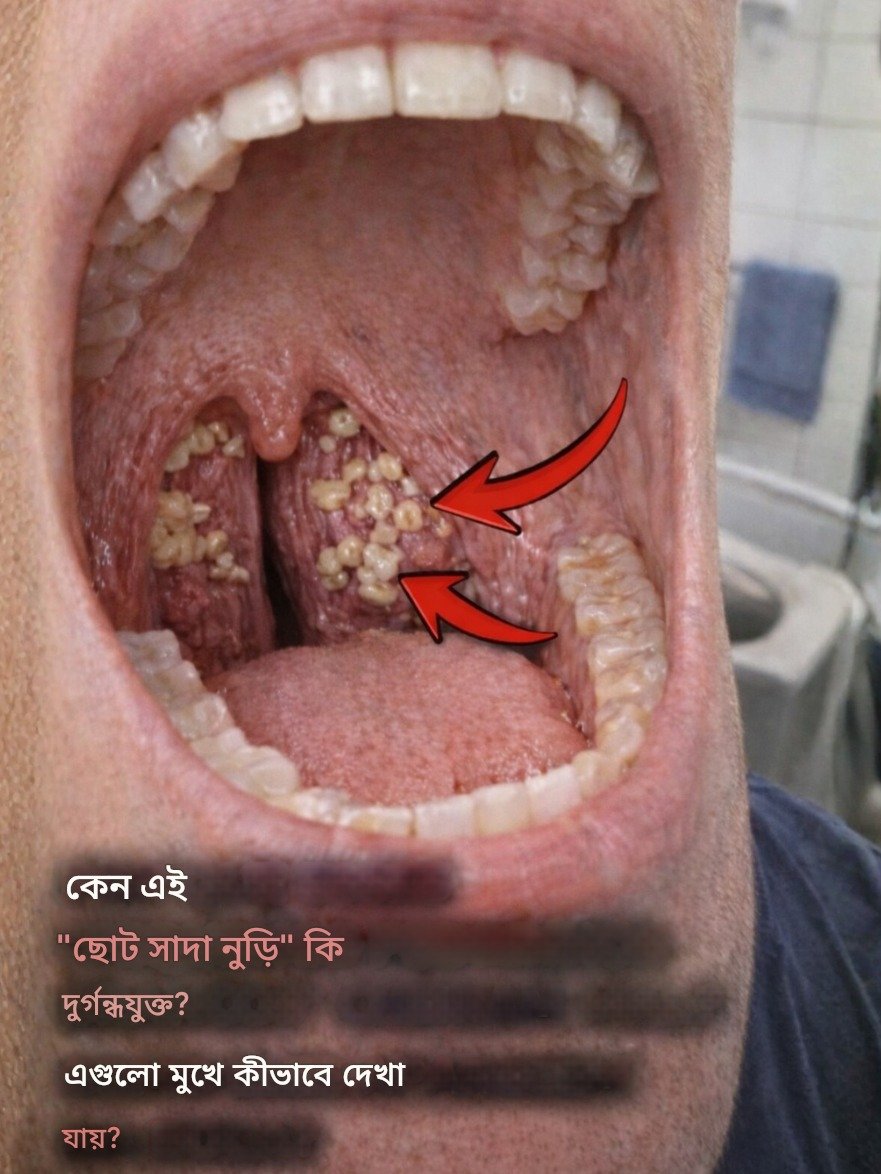
💡 This explains why, even after diligently brushing your teeth and using mouthwash, you might still struggle with persistent bad breath that just won’t seem to go away.
💚 Recognizing the Possible Symptoms
While not everyone with tonsil stones experiences noticeable symptoms, some common indicators might include:
✔️ Persistent bad breath (halitosis) that doesn’t improve with regular oral hygiene.
✔️ A sensation of something being stuck in your throat or a foreign body.
✔️ Occasional coughing or general throat discomfort.
✔️ Mild difficulty or pain when swallowing.
🧴 How to Effectively Manage and Care for Your Throat
While tonsil stones are generally not considered a serious health threat, maintaining excellent oral hygiene is absolutely crucial for prevention and management:
🌿 Simple Yet Powerful Habits
- Brush your teeth thoroughly and consistently, at least twice a day.
- Don’t forget to clean your tongue with a tongue scraper or brush.
- Regularly gargle with warm salt water to help dislodge particles and soothe your throat.
- Stay well-hydrated by drinking plenty of water throughout the day.
⚠️ Important Cautions
- Avoid attempting to forcefully dislodge tonsil stones yourself, as this can cause injury or irritation.
- If you experience persistent pain, frequent recurrence, or significant discomfort, it’s wise to seek advice from a dental or ENT specialist.
🌸 Conclusion: Take Control of Your Oral Health
While these small white particles are typically harmless, consistent oral hygiene and mindful care can significantly reduce their occurrence and the accompanying bad breath.
✨ Remember, this is often a normal bodily process rather than a sign of a serious illness — but being aware and proactive about your oral health is always beneficial.
👉 Prioritize your self-care, and if your concerns persist or worsen, do not hesitate to consult with a qualified dental professional or an Ear, Nose, and Throat (ENT) specialist.