 By admin
 Is a nagging toothache from a cavity making your life miserable? We’ve all been there – that sharp, persistent pain that strikes when a dental appointment feels light-years away. While professional intervention is the ultimate solution for fully eliminating a cavity, there are several powerful, effective home remedies you can use right now to ease discomfort, slow down decay, and safeguard your teeth in the interim.
In this comprehensive guide, we’re going to reveal the most effective and safest ways to manage cavities at home, offering you much-needed relief and protection.
What Causes Cavities?
Cavities, also known as tooth decay, begin when harmful bacteria in your mouth produce acids that gradually wear away your tooth enamel. This destructive process is commonly triggered by a few key factors, including:
- Neglecting proper oral hygiene practices
- Frequent consumption of sugary or highly acidic foods and drinks
- Insufficient fluoride exposure
- Experiencing dry mouth conditions
If these cavities are left unchecked, they can escalate, leading to intense pain, serious infections, and potentially even tooth loss.
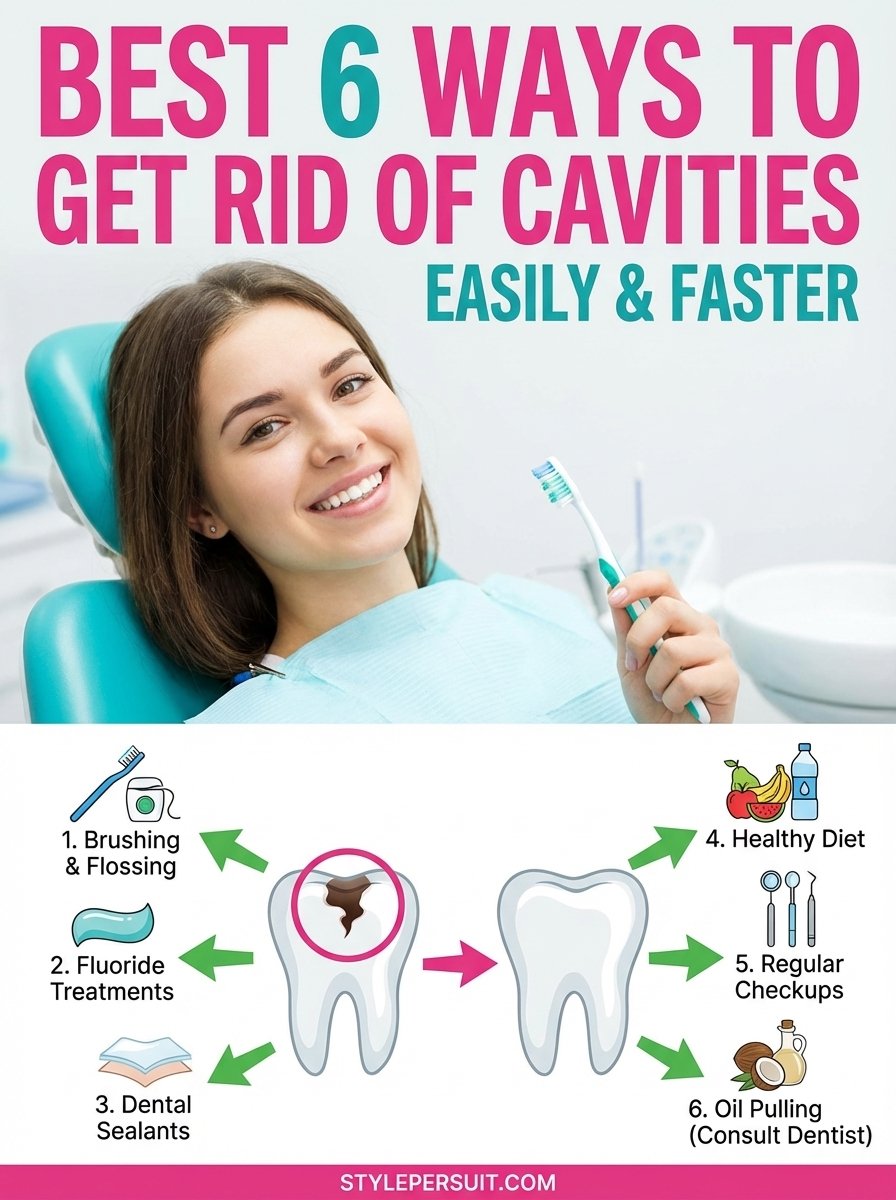
1. Maintain Proper Oral Hygiene
Your first and most crucial line of defense is consistently keeping your mouth impeccably clean.
- Brush your teeth a minimum of twice daily using a fluoride-rich toothpaste.
- Make flossing a daily habit to effectively dislodge trapped food particles from between your teeth.
- Opt for a soft-bristled toothbrush to prevent any potential damage to your precious enamel.
Adhering to these practices actively halts the proliferation of bacteria and significantly prevents further decay from taking hold.
2. Utilize Fluoride Treatments
Fluoride plays a pivotal role in fortifying tooth enamel and even reversing early signs of decay.
- Regularly use toothpaste and mouthwash containing fluoride.
- Investigate the availability of fluoride gels or varnishes for at-home use, if recommended by a professional.
This incredible mineral actively helps to remineralize and strengthen weakened enamel, especially crucial during the initial stages of cavity formation.
3. Rinse with Salt Water
A simple, yet powerful, saltwater rinse offers multiple benefits:
- It helps to effectively reduce inflammation.
- It possesses natural antibacterial properties.
- It provides soothing relief from pain.
How to use:
Dissolve half a teaspoon of salt into a glass of warm water, then vigorously rinse your mouth with the solution for 30 seconds. Repeat this process 2–3 times throughout the day.
4. Apply Clove Oil for Pain Relief
Clove oil stands out as a time-honored natural remedy, celebrated for its remarkable pain-relieving (analgesic) and bacteria-fighting (antibacterial) qualities.
- Dispense a small quantity of clove oil onto a clean cotton ball.
- Carefully position the cotton ball directly onto the aching tooth.
This application works wonders to temporarily numb the pain and significantly reduce bacterial presence, offering much-needed, albeit temporary, comfort.
5. Avoid Sugary and Acidic Foods
It’s a simple truth: sugar provides the perfect fuel for the bacteria responsible for tooth decay.
Therefore, make a conscious effort to limit your intake of:
- Candies and other sugar-laden beverages
- Sodas and acidic fruit juices
- Any sticky snacks that cling to your teeth
Instead, prioritize foods that actively promote dental health, such as nutrient-rich cheese, vibrant leafy greens, and crunchy nuts.
6. Try Oil Pulling
Oil pulling is an age-old Ayurvedic practice gaining popularity for its potential to significantly reduce the bacterial load in your mouth.
How to perform it:
- Take one tablespoon of organic coconut oil and swish it around your mouth for a dedicated 10–15 minutes.
- Once finished, spit the oil out into the trash (do not swallow it).
- Thoroughly rinse your mouth with water and then brush your teeth as usual.
This technique may contribute to reducing plaque buildup and greatly enhancing overall oral hygiene.
It is crucial to understand that while home remedies can provide temporary relief, they can only slow down tooth decay—they cannot offer a permanent cure. You must seek professional dental attention as swiftly as possible, especially if you begin to experience any of the following alarming symptoms:
- Intense, severe tooth pain
- Extreme sensitivity to hot or cold temperatures
- Clearly visible holes or noticeable dark spots on your teeth
- Any swelling or signs of infection around the affected area
Prompt dental treatment is absolutely vital to prevent the progression of more serious and potentially damaging dental complications.
Final Thoughts
Dealing with cavities can be both painful and incredibly frustrating, but by implementing the right temporary care strategies, you can effectively manage symptoms and significantly slow down the decay process until you are able to receive professional dental intervention. Prioritizing excellent oral hygiene, consistently using fluoride, and consciously avoiding detrimental foods are all fundamental steps in actively safeguarding your precious teeth.
👉 Remember: While these home remedies offer crucial temporary relief, a visit to a qualified dentist is indispensable for complete and lasting treatment, ensuring your long-term oral health.