 By admin
 Unmasking the Mystery: What Exactly Is a Sebaceous Cyst?
Ever noticed a mysterious, soft lump under your skin and wondered what it was? You’re not alone. These often-harmless bumps, known as sebaceous cysts, are surprisingly common. They typically appear as small, rounded formations just beneath the skin’s surface, filled with a thick, oily substance called sebum. These slow-growing cysts can vary in size, but in most cases, they remain painless and entirely benign.
While sebaceous cysts can emerge almost anywhere, they are most frequently observed on visible areas like the face, neck, back, or scalp. Although they are generally harmless, there are instances where these cysts can become inflamed or infected. When this happens, you might experience noticeable redness, uncomfortable swelling, and a general sense of discomfort in the affected area.
Sebaceous cysts form when a sebaceous gland or its tiny duct becomes obstructed. These glands are responsible for producing sebum, a natural oil that lubricates your skin and hair. When this pathway gets blocked, the sebum can’t reach the skin’s surface and instead begins to accumulate directly beneath it, leading to the formation of a cyst.
Several factors can contribute to these blockages, including:
- Past skin injuries or minor trauma to the area
- Clogged pores, often due to dead skin cells or debris
- Underlying skin conditions such as acne or other chronic issues
- Any damage sustained by hair follicles
As time progresses, this trapped sebum continues to build up, causing the cyst to gradually expand in size, sometimes becoming quite noticeable.
Spotting the Signs: Symptoms of Sebaceous Cysts You Need to Know
While sebaceous cysts can technically develop anywhere on your body, with the sole exceptions being the palms of your hands and the soles of your feet, they show a clear preference for certain regions. You’ll most frequently discover them on areas such as:
- Your back
- Your neck
- Your scalp
- Your face
When a sebaceous cyst forms, you can typically expect to observe these common symptoms:
- A distinct, small, and round lump nestled just beneath the skin
- Generally, it will be painless, unless it becomes irritated or infected
- It might feel either soft and pliable or somewhat firm to the touch
- If it happens to rupture, you might notice a foul-smelling, cheesy discharge
However, if the cyst becomes inflamed or develops an infection, you’ll likely experience a new set of additional, more bothersome symptoms:
- Visible redness and swelling around the affected area
- A noticeable warmth emanating from the cyst
- Sharp pain or tenderness when the cyst is touched
- An increased sensitivity, making even light contact uncomfortable
For those with scalp cysts, simple actions like brushing or washing your hair can become quite uncomfortable. These cysts can also become particularly prominent and more easily spotted in individuals experiencing hair loss.
Say Goodbye to Cysts: Effective Ways to Treat Sebaceous Cysts
The good news is that in the vast majority of cases, sebaceous cysts are entirely benign and pose no serious health threat, meaning medical intervention isn’t always strictly necessary. However, many individuals still opt for removal, often for cosmetic reasons, or if the cyst begins to grow to an inconvenient or bothersome size.
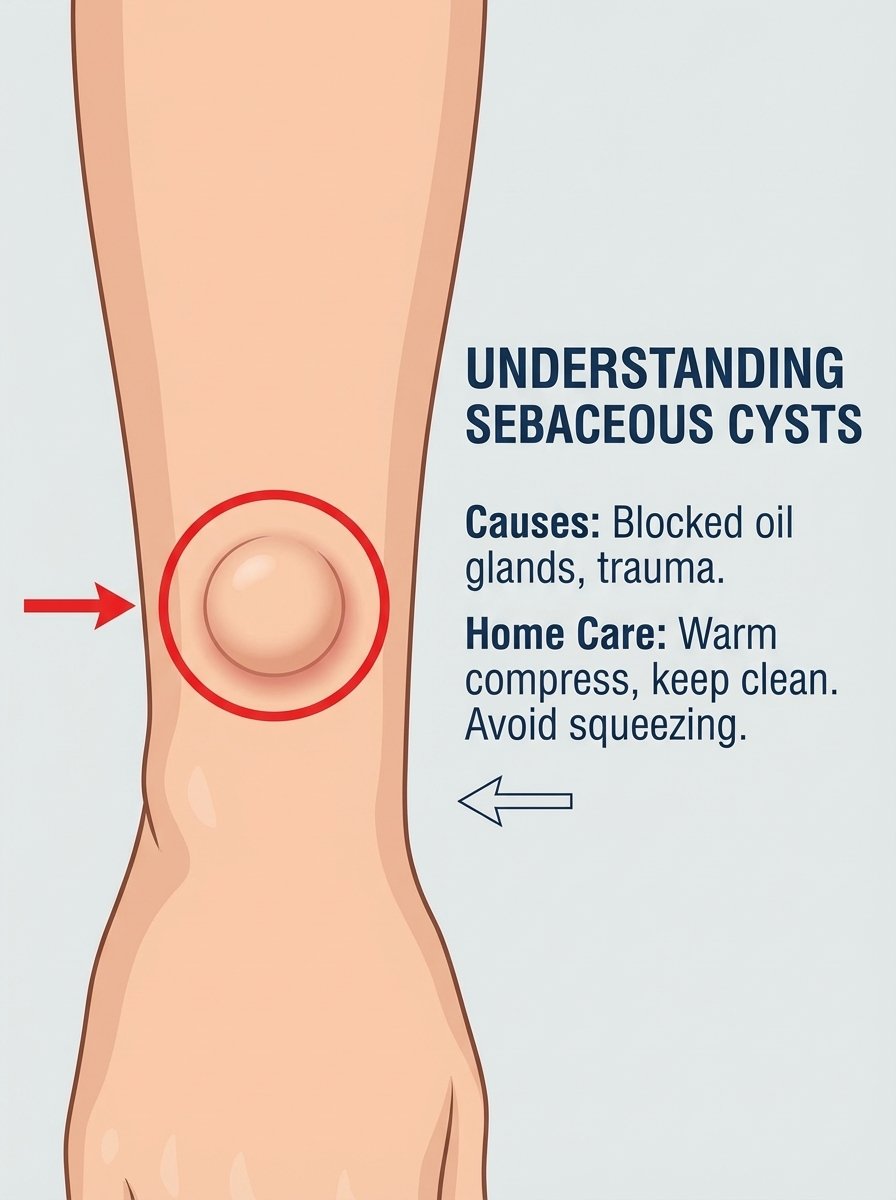
CRITICAL WARNING: Never Attempt to Squeeze or Pop Your Cyst!
It’s absolutely vital to resist the urge to pop, squeeze, or try to remove a sebaceous cyst yourself at home. This seemingly quick fix can actually lead to a host of serious complications, including:
- A high risk of developing a severe infection
- Significantly increased inflammation, making the cyst more painful
- Permanent scarring that could be more noticeable than the original cyst
- A higher likelihood of the cyst returning even larger than before
Soothing Solutions: Home Remedies for Sebaceous Cysts
While it’s important to understand that home remedies cannot permanently eliminate a sebaceous cyst, they can offer valuable temporary relief by reducing discomfort and inflammation. Here are a few methods that might help:
- Gently apply a warm compress to the affected area for about 10–15 minutes at a time
- This warmth can encourage better blood flow, potentially aiding in drainage and easing inflammation
- Always maintain excellent hygiene by keeping the cyst and surrounding skin meticulously clean to ward off potential infections
Remember, these approaches are solely for symptom management and will not make the cyst disappear entirely.
Beyond Home Remedies: Professional Medical Treatment Options
For those seeking a permanent solution to a sebaceous cyst, consulting a qualified healthcare professional is the crucial next step. A doctor possesses the expertise to accurately assess your cyst, confirm its nature, and then recommend the most appropriate and effective course of action tailored to your specific situation.
Depending on the cyst’s characteristics and your health, potential treatment options could include:
- Minor surgical removal, typically performed under local anesthesia
- Incision and drainage, especially if the cyst has become infected
- A course of antibiotics to clear up any existing infection
It’s critical that the entire cyst capsule is removed during any procedure; this is absolutely essential to prevent the cyst from reappearing in the future.
Understanding the Process: How Sebaceous Cyst Surgery Works
Sebaceous cyst removal is generally a straightforward and relatively quick outpatient procedure. It’s often recommended in specific circumstances, such as for:
- Larger cysts, typically those exceeding 1 centimeter in diameter
- Cysts that have become inflamed, painful, or infected
- Cysts causing significant discomfort or cosmetic concerns for the individual
A Quick Look at the Procedure:
- The targeted area is thoroughly numbed using a local anesthetic to ensure comfort
- The doctor then carefully makes a small, precise incision over the cyst
- Both the cyst and its surrounding capsule are meticulously removed to prevent recurrence
- Finally, the wound is closed with sutures, or stitches, for proper healing
Following the procedure, a protective dressing will likely be applied. It’s crucial to follow your medical professional’s instructions regarding how and when to change this dressing to ensure optimal healing.
In certain instances, particularly if there’s any concern or a personal/family history of cancer, the removed tissue may be sent for detailed laboratory analysis. This step is taken to thoroughly examine the cyst and definitively rule out any potential malignancy, providing complete peace of mind.
Your Path to Clearer Skin: Final Thoughts
Sebaceous cysts are indeed a common skin concern, and while they are typically benign, they can certainly become a source of irritation and discomfort if they become inflamed or grow larger. Remember that while gentle home remedies can offer temporary relief from symptoms, consulting a professional for treatment remains the safest and most effective method for complete and permanent removal.
Should you observe any notable changes in the size, color, or tenderness of a skin bump, or experience any pain, it is always wise to promptly seek medical advice. A healthcare provider can offer an accurate diagnosis and guide you toward the best treatment plan to restore your skin’s health and your peace of mind.