 By admin
 Could that persistent itch be more than just dry skin? For adults over 60, an annoying itch isn’t always harmless; it often becomes more frequent due to natural physiological changes like drier skin, a weakened skin barrier, and other age-related shifts. While a good moisturizer often solves the problem, intense or long-lasting itching in specific areas can sometimes be your body’s urgent signal of an underlying health concern that demands immediate attention.
Medical professionals are increasingly stressing the importance of evaluating any unexplained, chronic itch—especially when it appears without a visible rash. This type of persistent pruritus might be hinting at systemic conditions such as kidney or liver disease, various blood disorders, or even certain types of malignancy. To help you stay informed, here are five critical itchy spots or patterns that many health experts identify as potential red flags for seniors.
1. Lower Legs and Shins (Especially with Dry, Cracked Skin)
This particular area frequently becomes a source of discomfort for older adults, often linked to conditions like asteatotic eczema, which is essentially extremely dry skin, or stasis dermatitis, resulting from compromised circulation. The skin on the lower legs and shins can become dry, flaky, and intensely itchy, sometimes even cracking.
However, if you experience persistent itching here—especially if it’s accompanied by noticeable swelling, redness, or the development of ulcers—it could be a more serious indicator. These symptoms might point to underlying issues such as venous insufficiency, uncontrolled diabetes, or even emerging kidney problems. Research has consistently shown a strong correlation between lower leg itch and chronic kidney disease.
2. Palms and Soles
When intense itching begins specifically on the palms of your hands and the soles of your feet, it’s a classic and significant warning sign that medical professionals refer to as cholestatic pruritus. This distinct itching pattern is rarely just dry skin and should never be ignored.
This particular type of itch is often directly connected to issues with your liver or biliary system. Conditions such as cirrhosis, hepatitis, or blocked bile ducts are common culprits. Studies have highlighted that this specific pattern of itching can be observed in up to 25% of patients experiencing jaundice, and it can also serve as a paraneoplastic sign, indicating certain underlying cancers.
3. Generalized Itch All Over (Without Rash)
Among the most concerning scenarios for doctors is widespread itching that affects the entire body, particularly when it’s most severe at night or occurs without any visible skin changes like a rash. This “itch without a scratch mark” phenomenon in older adults warrants immediate investigation.
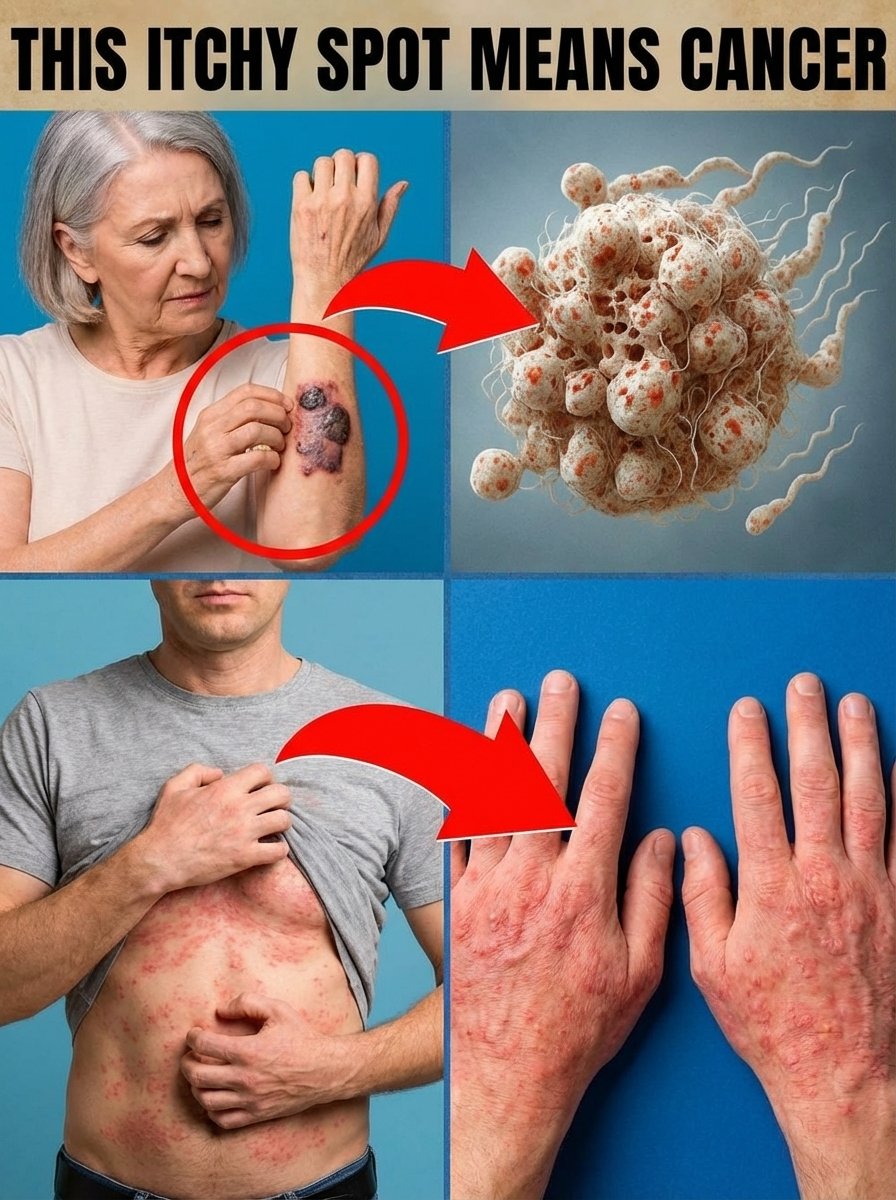
In seniors, this pervasive itch can stem from a variety of serious conditions, including kidney failure (known as uremic pruritus), thyroid disorders, iron deficiency anemia, or even blood cancers like lymphoma or polycythemia vera. Medical reviews frequently emphasize that generalized pruritus without a clear dermatological cause can be an important early indicator of an internal malignancy.
4. Back or Trunk (Localized or Widespread)
An itch that is primarily concentrated on your back or trunk, whether in a specific spot or spread across a larger area, can often be traced back to neuropathic causes. These include conditions like notalgia paresthetica, which involves irritation of the sensory nerves, or diabetic neuropathy, a common complication of diabetes affecting nerve function.
Furthermore, persistent truncal itch can also be a symptom of polycythemia vera, a rare blood disorder. It’s also a recognized manifestation of post-herpetic neuralgia, a lingering nerve pain that can occur after a shingles outbreak, which is a relatively common viral reactivation among older adults.
5. Scalp or Localized Patches (Persistent)
While an itchy scalp is a frequent complaint for many, it’s often overlooked as a potential indicator of something more significant, especially in seniors. In this age group, scalp itch can be linked to conditions such as seborrheic dermatitis, which causes flaky, red skin, various neuropathic causes, or even be a subtle sign of diabetes.
Beyond the scalp, any persistent localized itch anywhere else on the body—for instance, on the arms or legs—could potentially signal early cutaneous lymphoma or even a specific type of skin cancer. Studies have consistently shown a correlation between the presence and severity of itch and the progression of these serious dermatological conditions.
When to See a Doctor Promptly
It is absolutely crucial not to dismiss or ignore itching that exhibits any of the following characteristics:
- It persists for more than 6 weeks without improvement.
- It is severe enough to significantly disrupt your sleep patterns.
- It is accompanied by other concerning symptoms such as unexplained fatigue, noticeable weight loss, jaundice (yellowing of the skin or eyes), swelling, or drenching night sweats.
- It continues to spread or worsens despite consistent use of moisturizing creams and other gentle skin care efforts.
While you should always start by practicing gentle skin care, including using fragrance-free moisturizers, taking short lukewarm showers, and utilizing humidifiers, a thorough professional evaluation—which may involve blood tests and a comprehensive skin exam—is absolutely essential to definitively rule out any serious underlying causes.
Disclaimer: This content is intended solely for informational purposes and should not be considered medical advice. Any persistent itch warrants a professional medical evaluation to accurately identify its causes. Always consult with your doctor for personalized guidance and treatment recommendations. Individual experiences and health outcomes may vary significantly.