 By admin
 Introduction
What if I told you that the viral 2-minute teeth whitening hacks flooding your feed could be doing more harm than good? Everyone craves a brilliant, dazzling smile, and the internet constantly serves up ‘instant’ solutions. But before you reach for those household ingredients, you NEED to know what’s truly effective and what could permanently damage your pearly whites.
In this essential guide, we’re going to peel back the curtain on popular DIY teeth whitening methods, reveal the science behind what actually delivers results, and show you the safest, fastest routes to achieving a noticeably whiter smile.
Why Do Teeth Turn Yellow?
Before diving into whitening solutions, it’s crucial to understand the underlying reasons your teeth might lose their natural brightness and develop stains:
- Consuming coffee, tea, and red wine: These popular beverages are notorious for their staining pigments.
- Smoking or any tobacco use: Tobacco products are a major culprit for persistent yellowing and brown stains.
- Inadequate oral hygiene practices: Skipping brushing or flossing allows stains to accumulate.
- Accumulation of plaque and tartar: These hardened deposits can make teeth appear dull and discolored.
- The natural aging process: As we age, enamel thins, revealing the yellowish dentin underneath.
These discolorations can manifest as either external surface stains (extrinsic) or deeper, internal discoloration (intrinsic) within the tooth structure.
The “2-Minute Whitening Hack” Trend Exposed
Social media feeds are flooded with viral videos and posts claiming you can achieve a sparkling white smile in mere minutes using common household items like:
- Various natural oils
- Certain fruits or vegetables
- Questionable DIY mixtures
While these posts might showcase seemingly dramatic transformations in edited images, the harsh reality is that instant, miraculous results are almost always exaggerated or completely unrealistic.
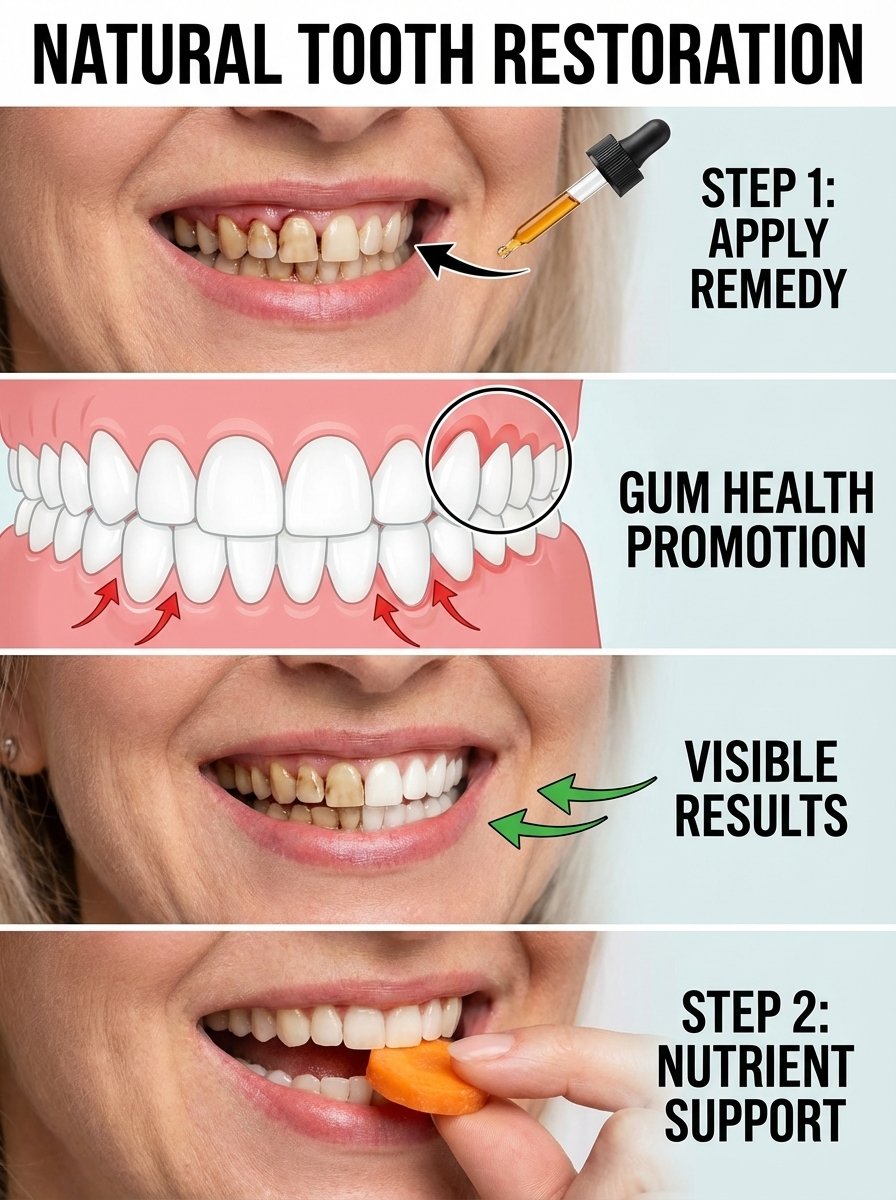
👉 Here’s the critical takeaway: Effective and safe teeth whitening is a gradual process that requires time and consistency—it simply doesn’t happen safely in a matter of minutes.
What Truly Works for Whitening Teeth at Home (Backed by Science)
1. Baking Soda (When Used Responsibly)
Baking soda possesses a mild abrasive quality that can effectively help in scrubbing away superficial surface stains from your teeth.
- Limit usage to 1–2 times per week to prevent issues.
- Avoid excessive use, as it can potentially erode tooth enamel over time.
2. Whitening Toothpastes
These specialized toothpastes are formulated with gentle abrasives and polishing agents designed to lift stains.
- They are generally safe for incorporation into your daily oral care routine.
- Expect to see gradual improvements over a period of several weeks with consistent use.
3. Hydrogen Peroxide-Based Products
This powerful ingredient is the foundational component in nearly all genuinely effective teeth whitening solutions.
- You’ll find hydrogen peroxide in popular whitening strips and gels.
- These products can deliver noticeable results within just a few days of consistent application.
4. Oil Pulling (Minimal Whitening Impact)
Swishing natural oils, such as coconut oil, around your mouth can contribute to reducing harmful bacteria, but it’s important to note:
- It has NOT been scientifically proven to significantly whiten teeth.
- While beneficial for overall oral hygiene, don’t rely on it for instant or dramatic whitening effects.
What You Absolutely Must AVOID for Your Teeth
Beware! Some viral