 By admin
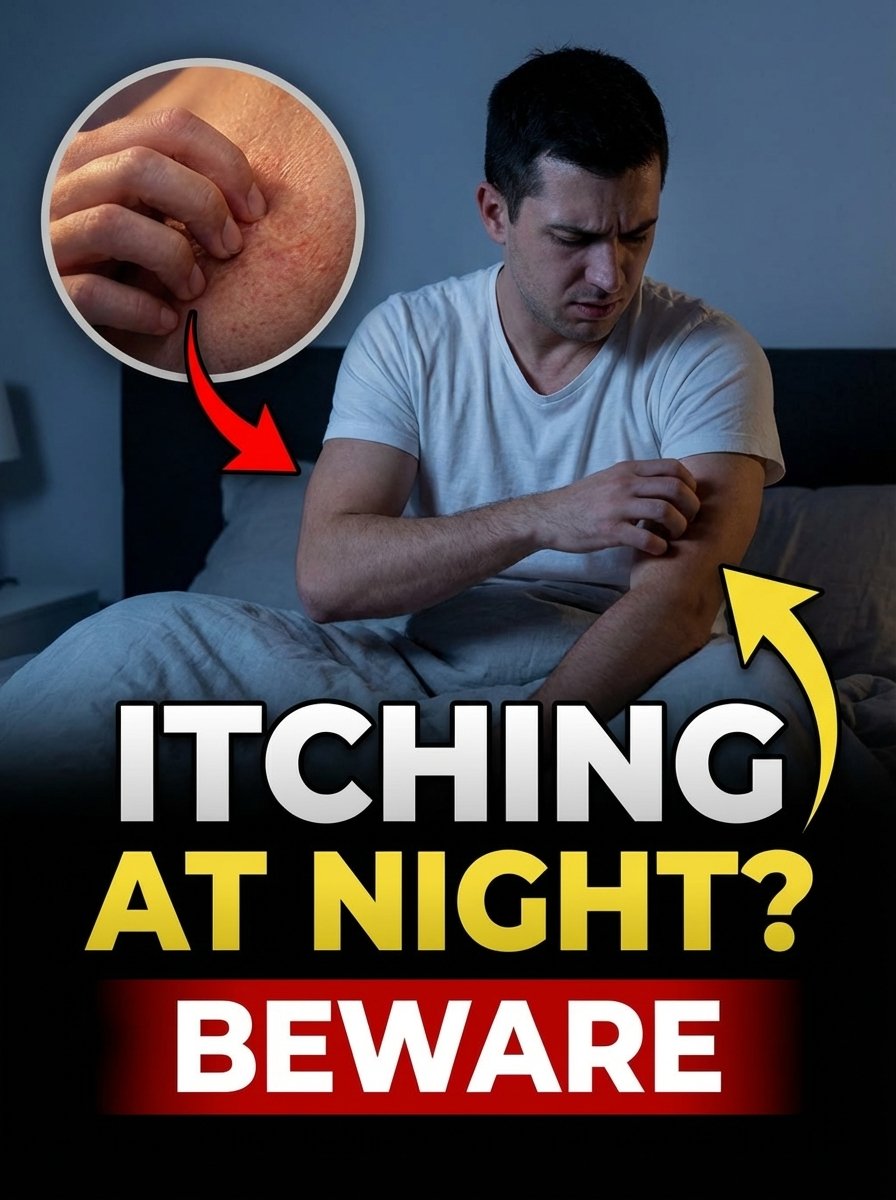
 Ever wonder why your skin seems to launch a full-scale rebellion the moment your head hits the pillow? That relentless urge to scratch, also known as nocturnal pruritus, isn’t just a minor annoyance; it’s a widespread problem capable of sabotaging your sleep and impacting your entire well-being. What many don’t realize is that this seemingly innocent nightly itch could actually be a critical message from your body, pointing to an underlying health issue that demands your immediate attention.
Why Does Itching Intensify When the Sun Goes Down?
It’s not just your imagination—your skin truly does tend to feel more irritated and itchy once darkness falls. Here’s a closer look at the key factors contributing to this nightly phenomenon:
- Your body temperature naturally rises during the evening, which can heighten your skin’s sensitivity and make existing itchiness more noticeable.
- Subtle hormonal changes occurring overnight can influence how your body manages inflammation and allergic responses, potentially leading to increased itching.
- With fewer daytime distractions vying for your attention, you become acutely more aware of every sensation, including any mild itching that might otherwise go unnoticed.
- As indoor humidity often drops at night, dry skin conditions can worsen, exacerbating discomfort and the urge to scratch.
Unmasking the Culprits: Why You Can’t Stop Scratching at Night
Beyond the natural nighttime shifts, a variety of specific factors and conditions are frequently responsible for that bothersome nocturnal itch:
1. Dehydrated Skin (Xerosis)
Extremely dry skin stands out as one of the primary culprits behind nighttime itching. This common issue tends to worsen significantly during the colder months or if you frequently indulge in excessively hot showers.
2. Chronic Skin Conditions
For individuals dealing with persistent dermatological problems, the symptoms, including itching, can become particularly intense during the evening hours. These conditions include:
- Eczema (also known as atopic dermatitis)
- Psoriasis
- Hives (or urticaria)
3. Allergic Triggers
Your sleeping environment can be a hotbed for allergens. Everything from the materials in your bedding and the detergents you use to microscopic dust mites can provoke an allergic reaction, leading to intense itching as you try to rest.
4. Pesky Insect Bites or Infestations
Unwanted guests like bedbugs or parasitic conditions such as scabies are notorious for causing excruciating itching that often reaches its peak at night, making sleep nearly impossible.
5. Underlying Internal Health Concerns
It’s crucial to understand that persistent itching can sometimes be a red flag for more serious, systemic health conditions. These can include:
- Liver disease
- Kidney problems
- Thyroid disorders
- Iron deficiency anemia
6. Neurological Issues
In certain instances, nerve damage or various neurological disorders can manifest as itching, even when there are no visible rashes or changes on the skin’s surface.
When Is It Time to Call Your Doctor About Nighttime Itching?
While occasional itching might be harmless, certain signs indicate that your nocturnal pruritus warrants a professional medical evaluation. It’s time to consult a healthcare provider if:
- The relentless itching continues for over two weeks without any improvement.
- Your sleep is consistently disrupted and negatively impacted by the urge to scratch.
- You observe additional skin changes such as new rashes, noticeable swelling, or unexplained lesions.
- The itching is accompanied by other concerning systemic symptoms like unusual fatigue or unexplained weight loss.
Reclaim Your Sleep: Practical Ways to Soothe Nighttime Itching
Don’t let nocturnal itching steal another night’s rest! Here are several highly effective strategies you can implement to alleviate discomfort and promote a more restful sleep:
- Moisturize your skin every day using gentle, fragrance-free lotions to keep it hydrated and prevent dryness.
- Combat dry indoor air by utilizing a humidifier, especially during drier seasons, to maintain optimal skin moisture.
- Steer clear of excessively hot showers or baths right before bedtime, as hot water can strip your skin of its natural oils and worsen dryness.
- Opt for loose-fitting, breathable clothing made from natural fibers like cotton to minimize irritation and allow your skin to breathe.
- Upgrade your sleep environment by switching to hypoallergenic bedding and washing it regularly to reduce exposure to allergens and dust mites.
- For temporary relief, consider taking over-the-counter antihistamines, but always consult with a doctor or pharmacist first.
Your Body’s Whisper: Don’t Ignore the Nighttime Itch
While a sporadic itch at night might be nothing to worry about, consistently experiencing intense or frequent symptoms is a signal you simply cannot afford to overlook. Your body possesses an incredible ability to communicate, and persistent itching could be its way of sending a crucial message about your internal health. Addressing these signals proactively can be key to preventing the development of more significant health challenges later on.
👉 If your nighttime itching continues to be a persistent problem, make an appointment to speak with a trusted healthcare professional for an accurate diagnosis and an effective treatment plan tailored to your needs.