 By admin
 You’ve probably seen the viral claims flooding your feed: ‘Garlic kills 14 types of bacteria!’ It sounds like a miracle cure, right? But before you ditch your doctor for a clove, let’s peel back the layers and uncover what science *really* has to say about this powerful plant.
The truth is far more fascinating and nuanced than those catchy social media posts let on, and it’s essential to understand the full picture.
The answer is more nuanced (and more interesting) than social media headlines suggest 👇
🌿 Unpacking the Hype: Why Garlic Earned Its “Natural Antibiotic” Reputation
For countless generations, garlic has been a staple in traditional healing practices worldwide, and now, cutting-edge modern science is finally validating many of its ancient uses.
At the heart of garlic’s celebrated wellness benefits lies a remarkable compound: allicin.
👉 This potent substance is unleashed only when garlic is crushed, chopped, or otherwise damaged.
👉 It’s not just responsible for that unmistakable pungent aroma; allicin is also the powerhouse behind many of garlic’s impressive biological actions.
Extensive research indicates that allicin possesses a remarkable range of properties, including:
- 🦠 Antibacterial properties
- 🦠 Antiviral activity
- 🦠 Antifungal effects
These diverse capabilities are precisely why garlic frequently earns the moniker of a “natural antimicrobial.”
🦠 The Burning Question: Can Garlic Truly Eradicate Bacteria?
The quick answer is yes, it can—but there are crucial caveats you need to understand.
Numerous laboratory investigations (specifically, in vitro studies, meaning conducted in test tubes or petri dishes) have definitively demonstrated garlic’s ability to hinder the proliferation of various bacterial strains, such as:
- Escherichia coli (E. coli)
- Staphylococcus aureus
- Klebsiella pneumoniae
👉 What’s even more compelling is that some research indicates its potential effectiveness against certain antibiotic-resistant superbugs.
The mechanism behind allicin’s action appears to involve:
- Disrupt bacterial cell structures
- Interfere with essential enzymes
However, it’s vital to grasp this critical distinction 👇
⚠️ The “14 Types of Bacteria” Claim: Unmasking the Viral Exaggeration
This is precisely where the online narrative takes a sharp turn into misinformation.
❌ Let’s be clear: there is no robust scientific consensus or definitive study that precisely confirms garlic’s ability to kill exactly “14” types of bacteria.
❌ This specific number is almost certainly a viral exaggeration, amplified through social media shares.
👉 Here’s what legitimate scientific inquiry *does* support:
✔️ Garlic indeed exhibits activity against a wide variety of microorganisms.
✔️ The precise number and types of microbes affected are highly dependent on the specific conditions of each study (e.g., concentration, exposure time).
✔️ Consequently, results can and do vary significantly across different scientific experiments.
🧠 Beyond the Lab: What Science *Really* Means for Human Health (Crucial Context You Need)
It’s vital to understand that the majority of these impressive antibacterial discoveries originate from tightly controlled laboratory studies, rather than direct, real-world human consumption.
This distinction is incredibly important, as it means:
✔️ While garlic’s compounds are undeniably potent in a petri dish,
❌ They do not necessarily function with the same efficacy or in the same manner once ingested into the complex environment of the human body.
But why the difference?
- The human digestive system significantly alters how these beneficial compounds are processed and absorbed.
- Allicin, the primary active ingredient, is notoriously unstable and degrades rapidly.
- The precise dosage and concentration required for a therapeutic effect in humans are often much higher than what can be realistically consumed.
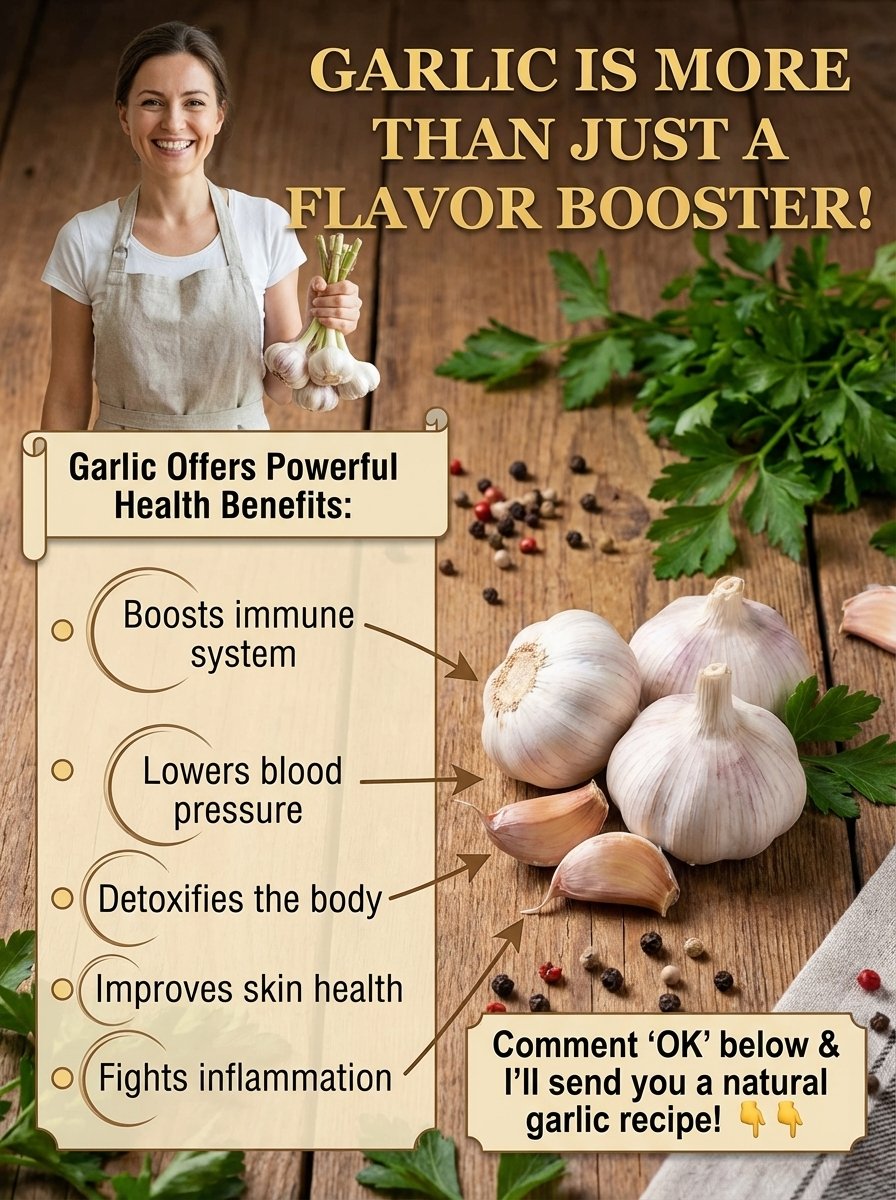
So, while it’s certainly not a magic bullet, garlic undeniably provides a wealth of meaningful support for your overall health and wellness:
🛡️ Bolstering Your Immune System
Incorporating garlic into your diet may enhance your body’s natural ability to mount a robust response against infections.
👉 Intriguingly, certain studies even hint at its potential to decrease the frequency with which individuals experience the common cold.
❤️ A Champion for Cardiovascular Health
Garlic has been consistently associated with several key indicators of heart health, including:
- Lower blood pressure
- Reduced LDL cholesterol
- Improved circulation
👉 Collectively, these beneficial effects contribute to significant long-term support for your entire cardiovascular system.
🔥 Powerful Anti-Inflammatory Properties
Beyond its antimicrobial actions, garlic is rich in compounds that actively work to:
- Reduce inflammation
- Help protect cells from oxidative stress
🤧 Supporting Respiratory Wellness
With a long history of traditional use for respiratory comfort, garlic may offer relief by:
- Help ease mild cold symptoms
- Support the body during seasonal illness
🧄 Unlock Garlic’s Full Potential: Maximizing Its Health Benefits
To truly harness the maximum health benefits that garlic has to offer:
👉 Always crush or finely chop your garlic before incorporating it into your meal.
👉 Then, allow it to rest for a crucial period of 5–10 minutes before you begin cooking or consuming it.
This brief resting period is essential as it triggers the enzymatic reaction needed for allicin to properly form and reach its peak potency.
⚠️ A Crucial Note:
- High heat can reduce some of its beneficial compounds
- Raw or lightly cooked garlic may preserve more activity
❌ The Dangerous Myth: “Garlic Is a Substitute for Antibiotics”
This particular misconception is where extreme caution is absolutely paramount 👇
❌ Let’s be unequivocally clear: garlic does NOT, under any circumstances, serve as a replacement for prescribed antibiotics.
❌ It is wholly incapable of effectively treating or curing serious bacterial infections.
👉 While its antimicrobial properties are scientifically recognized, there is insufficient clinical evidence to support its use as a primary medical treatment for any infection.
⚠️ Important Risks and Considerations You Must Know
Even powerful natural foods like garlic are not without potential side effects or interactions:
- For some individuals, particularly when consumed raw or in large quantities, garlic may trigger digestive discomfort such as heartburn or bloating.
- It can interact significantly with certain medications, especially blood-thinning drugs, increasing the risk of bleeding.
- In specific scenarios, consuming large amounts of garlic might lower blood pressure excessively.
👉 Therefore, moderation and awareness of your personal health are always essential.
🌟 The Bottom Line: Separating Fact from Fiction
So, while garlic doesn’t exactly “kill 14 types of bacteria” in the simplistic way viral social media posts suggest, it’s absolutely far from being a useless ingredient! 💚
✔️ It undeniably possesses genuine antimicrobial properties that are backed by science.
✔️ It offers tangible benefits for supporting your immune system and promoting heart health.
✔️ When used wisely, it can be a valuable and delicious component of a balanced, health-conscious lifestyle.
❌ However, it is crucial to remember that it is *not* a miracle cure-all or a replacement for medical intervention.
✨ What’s the most intelligent way to approach garlic’s health potential?
Incorporate garlic into your diet as a beneficial supportive habit for overall wellness, never as a substitute for professional medical diagnosis or prescribed treatments.