 By admin
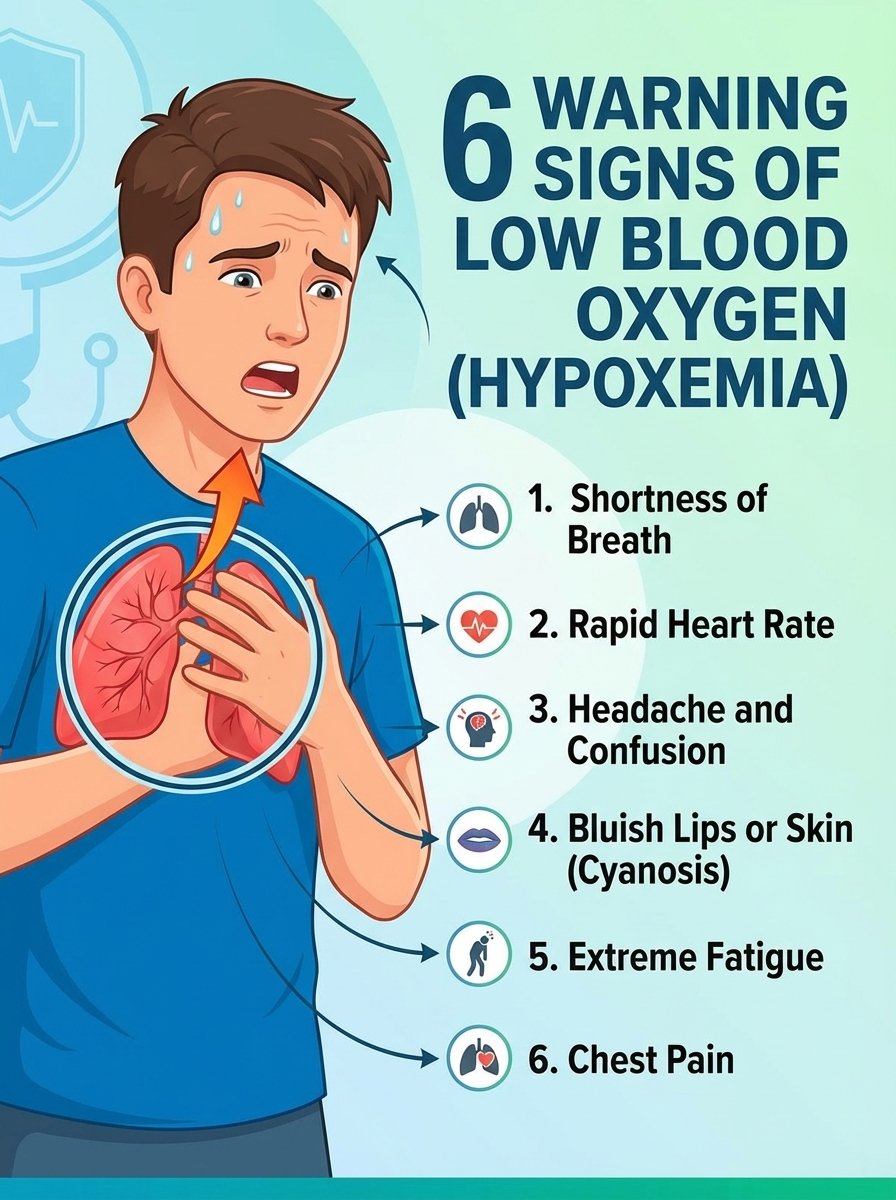
 Are you unknowingly missing the critical signals your body is sending? Your well-being hinges on a constant, sufficient supply of oxygen. Here are the 6 urgent warning signs that indicate you might not have enough oxygen in your blood.
Imagine your body slowly suffocating from the inside out, even when you’re breathing normally. This terrifying scenario can become a reality when your blood oxygen levels dip too low, a critical condition medically termed hypoxemia. Given that every single organ and tissue in your body relies on oxygen to perform its essential functions, this drop—especially in your arteries—can rapidly turn life-threatening if it’s not addressed.
Ignoring these dangerously low blood oxygen levels can set off a cascade of severe health problems, from irreversible organ damage and debilitating cognitive issues like brain fog to, in the most extreme instances, a fatal outcome. Grasping the underlying causes of hypoxemia and being able to spot its warning signals early on isn’t just helpful; it’s absolutely crucial for safeguarding your long-term well-being.
Unmasking the Culprits: What Triggers Hypoxemia?
A variety of health conditions and environmental factors can disrupt your body’s critical process of absorbing oxygen or efficiently circulating it where it needs to go:
Respiratory System Challenges
Long-standing lung ailments, including chronic obstructive pulmonary disease (COPD), asthma, pneumonia, and pulmonary fibrosis, can severely impair the smooth transfer of oxygen from your lungs into your bloodstream. Since many of these conditions progress subtly over time, it’s alarmingly common for a gradual decline in oxygen saturation to remain undetected in its early stages.
Cardiovascular System Issues
The health of your heart directly impacts how effectively oxygenated blood reaches every corner of your body. Even when your lungs are functioning optimally, conditions like heart failure or certain congenital heart defects can significantly hinder organs from receiving the vital oxygen supply they require.
High Altitude Exposure
Ascending to higher elevations means encountering air with naturally reduced oxygen content. Individuals who travel to or reside in these elevated regions might experience hypoxemia until their bodies have sufficient time to acclimatize. More extreme or rapid ascents can unfortunately precipitate severe altitude sickness, a serious health risk.
Physical Obstructions in Airways or Blood Flow
Any impediment within your airways or blood vessels—whether it’s a dangerous blood clot, a life-threatening severe allergic reaction, or an inhaled foreign object—can critically obstruct the path of oxygen, preventing it from reaching essential bodily tissues and organs.
Additional Underlying Contributors
Other health concerns, including obstructive sleep apnea, various forms of anemia, and specific infections, can similarly compromise oxygen delivery. These conditions can either disrupt normal breathing patterns or diminish the blood’s capacity to transport oxygen effectively throughout the body.
The Alarming Signals: What Symptoms Should You Never Ignore?
Hypoxemia can manifest itself either abruptly with a sudden onset or gradually, worsening over an extended period. Keep a close watch for these common indicators:
- Unexplained shortness of breath or unusually rapid breathing
- A noticeable increase in your heart rate
- Persistent headaches or feelings of lightheadedness
- Mental fogginess, confusion, or significant difficulty concentrating
- A distinct bluish discoloration on your lips, fingertips, or skin, medically termed cyanosis
It’s a critical point that some individuals might not experience obvious symptoms until their oxygen levels have already plummeted to a perilous degree, underscoring the absolute necessity of vigilance and proactive health monitoring.
Pinpointing the Problem: How Medical Professionals Diagnose Hypoxemia
Medical experts employ a range of diagnostic techniques to accurately assess your oxygen levels and uncover the root causes of any deficiency:
- Pulse Oximetry: This is a rapid, pain-free procedure that estimates your blood’s oxygen saturation by simply clipping a small device onto your finger.
- Arterial Blood Gas (ABG) Test: Considered the gold standard, this test offers highly precise measurements of both oxygen and carbon dioxide concentrations directly from your arterial blood.
- Imaging Scans: Tools like chest X-rays or CT scans are invaluable for visualizing and identifying potential underlying issues within the lungs or heart.
- Further Specialized Assessments: Depending on initial findings, additional evaluations such as pulmonary function tests or echocardiograms might be performed to gain a more comprehensive understanding of your condition.
Path to Recovery: Effective Treatment Strategies
The course of treatment for hypoxemia is highly individualized, contingent upon both the severity of your symptoms and the specific underlying condition triggering the low oxygen levels:
- Oxygen Supplementation: Administering supplemental oxygen is often the quickest way to elevate and stabilize blood oxygen levels to a safe range.
- Pharmaceutical Interventions: Depending on the diagnosis, medications like bronchodilators to open airways, anti-inflammatory drugs to reduce swelling, or specific heart treatments may be prescribed to target and resolve the primary issue.
- Proactive Lifestyle Adjustments: Embracing healthier habits, such as completely stopping smoking, actively improving the air quality in your environment, maintaining regular physical activity, and ensuring proper acclimatization before ascending to high altitudes, are all crucial steps in bolstering overall lung and heart function.
- Inpatient Medical Management: For acute or severe instances of hypoxemia, hospitalization becomes necessary, allowing for continuous, intensive monitoring and the application of advanced medical interventions.
Urgent Action: When to Call for Immediate Medical Help
Do not hesitate to seek emergency medical attention if you suddenly experience severe shortness of breath, acute chest pain, profound confusion, or any bluish discoloration of your skin or mucous membranes. Swift, decisive treatment in these situations is absolutely critical to avert life-threatening complications and dramatically enhance your chances of a positive recovery.
Your Health, Your Oxygen: A Concluding Perspective
Hypoxemia represents a profound health concern, stemming from a diverse array of origins, from chronic lung and heart ailments to specific environmental challenges. Your best defense against its potentially devastating effects lies in promptly recognizing its symptoms, securing an accurate and timely diagnosis, and rigorously adhering to the prescribed treatment plan. Prioritizing the health of your cardiovascular and respiratory systems, coupled with seeking professional medical intervention at the first sign of trouble, ensures your body receives the vital oxygen it needs to thrive and operate at its peak performance.
You’ve just learned about the critical warning signs that indicate you might not have enough oxygen in your blood. To continue empowering yourself with essential health knowledge, consider exploring more of our insightful articles.