 By admin
 Ever had a toothache strike like a lightning bolt, turning your day into an agonizing blur? That relentless throbbing, the sharp pain with every bite, the sheer desperation for relief – it’s a nightmare we all hope to avoid. But what if you could tap into simple, effective solutions right in your own home to calm that torment while you wait for professional help? This guide dives into practical, easy-to-implement strategies, vetted by trusted health sources and embraced by countless individuals for quick, temporary comfort. And here’s a secret: one time-honored remedy, backed by surprising scientific interest, awaits you at the very end of this article – you won’t want to skip it!
Understanding Tooth Pain: Why Home Remedies Are Just a Pit Stop
Persistent tooth pain is almost always a red flag, indicating an underlying issue such as decay, gum inflammation, or nerve irritation. While the at-home methods we’re about to explore can provide much-needed short-term relief, they are crucial temporary measures and do not resolve the root problem. Dental professionals and scientific research consistently underscore the importance of seeking prompt professional care to prevent minor issues from escalating into serious complications.
1. The Power of a Saltwater Rinse – Your First Line of Defense
When tooth discomfort strikes, one of the most accessible and highly recommended first steps is a warm saltwater rinse. Simply dissolve about half a teaspoon of common table salt into a glass of warm (not hot) water. Swirl this solution gently around your mouth for approximately 30 seconds, then spit it out. Repeating this process several times throughout the day can make a noticeable difference.
This simple yet effective technique works by helping to cleanse the affected area, ease minor swelling, and dislodge any irritating food particles. Leading health authorities, including the Mayo Clinic and WebMD, frequently endorse it as a safe, readily available option for initial pain management.
2. Instant Relief with a Cold Compress
If your toothache is accompanied by noticeable swelling or a throbbing sensation, reaching for a cold compress can offer immediate comfort. Wrap a handful of ice cubes in a clean cloth or, alternatively, use a bag of frozen vegetables. Apply this chilled pack directly to the outside of your cheek, over the painful area, for intervals of 15-20 minutes.
The cold temperature works wonders by constricting the blood vessels, which can effectively dull throbbing pain and reduce inflammation, especially if the discomfort stems from an injury or impact. Remember to take short breaks between applications to protect your skin from excessive cold.
3. Over-the-Counter Pain Relievers: Your Go-To for Immediate Comfort
For many, readily available pain medications offer a quick way to manage toothache discomfort. Non-prescription options like ibuprofen or acetaminophen can significantly reduce pain and inflammation. Always adhere strictly to the dosage instructions provided on the packaging, and choose the medication that best suits your individual health needs (ibuprofen is often preferred for its anti-inflammatory properties).
A critical caution: never place aspirin directly on your gums. This can cause painful chemical burns and should be avoided. This approach is widely suggested by reputable health websites as a practical interim step until you can consult with your dentist.
4. Clove Oil – Nature’s Time-Tested Anesthetic
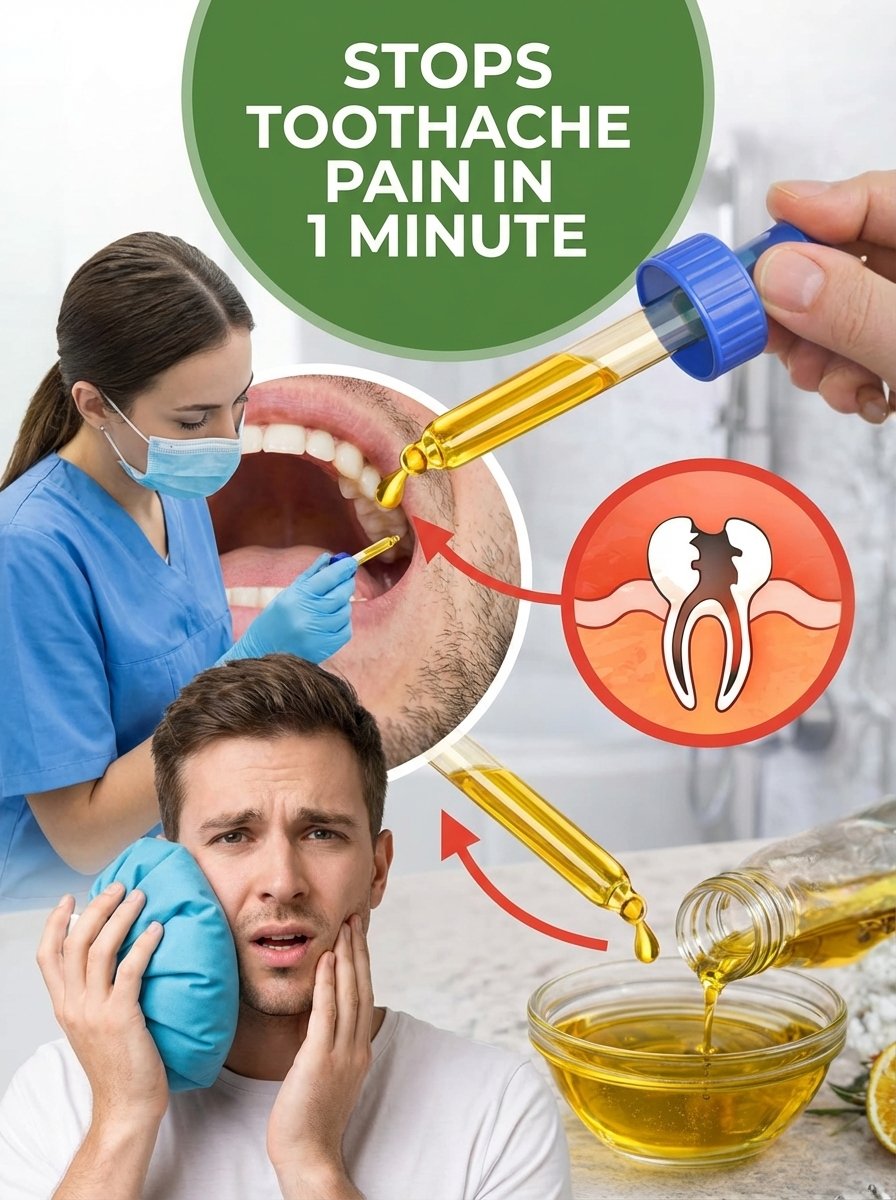
When discussing natural remedies for temporary tooth pain, clove oil invariably comes to the forefront. This potent essential oil contains a compound called eugenol, which boasts natural numbing properties that have been extensively researched for their potential to alleviate discomfort.
To harness its benefits safely:
- Begin by diluting a few drops of pure clove oil with a neutral carrier oil, such as olive oil, to prevent irritation.
- Next, dab a small amount of this diluted mixture onto a clean cotton ball.
- Gently apply the cotton ball directly to the tooth or gum area experiencing pain.
- Be mindful to avoid swallowing any excess oil, and always perform a patch test on a small area first to check for any skin sensitivity.
Certain studies indicate that clove oil may offer a temporary analgesic effect comparable to some topical anesthetics, making it a powerful, albeit short-term, solution. Always use it sparingly and with care.
Here are two realistic photos showing clove-related ingredients in everyday settings to help you visualize preparation:
This image captures whole dried cloves spread on a wooden table under natural kitchen light.
This shows a small bottle of clove oil being prepared with a dropper, handheld smartphone style in soft daylight.
5. Hydrogen Peroxide Rinse (Use with Extreme Care)
For a temporary cleansing and potential bacterial reduction, a diluted hydrogen peroxide rinse can be considered. Mix equal parts of 3% hydrogen peroxide with water. Swish this solution gently around your mouth, then *immediately and completely* spit it out – never swallow it. This can help cleanse the area and may reduce bacteria temporarily.
This method should be used sparingly and always followed by a thorough rinse with plain water. Reputable sources like WebMD sometimes mention it for short-term support, but caution is paramount.
6. Peppermint Tea Bags for a Soothing Sensation
For a comforting, natural approach, try using a peppermint tea bag. Steep a single tea bag in hot water as you normally would for tea, then allow it to cool down until it’s comfortably warm or even slightly chilled. Place the cooled tea bag directly onto the sore area in your mouth for several minutes.
The menthol found in peppermint can provide a pleasant cooling and numbing sensation, offering a welcome distraction from the discomfort. This soothing, caffeine-free option is often a favorite for its gentle relief.
7. Garlic’s Ancient Anti-Bacterial Power
Garlic, revered for centuries in traditional remedies, contains allicin, a compound recognized in various studies for its antibacterial qualities. To use it for toothache, crush a fresh garlic clove to release these beneficial compounds. You can then apply a small piece near (but ideally not directly on) the affected area, or if tolerable, chew it gently.
This is considered more of a folk remedy, so proceed with caution to prevent any potential irritation to the delicate gum tissues.
8. Maintain Gentle Oral Hygiene – Don’t Skip This Step!
Even with a toothache, maintaining good oral hygiene is crucial, but it requires a delicate touch. Carefully floss around the painful tooth to dislodge any trapped food particles that might be exacerbating the discomfort. Then, brush gently with a soft-bristled toothbrush, avoiding aggressive scrubbing that could worsen sensitivity. Finish with a rinse of plain warm water.
Aggressive brushing or flossing can irritate already sensitive areas, so always prioritize gentleness.
More Quick Tips to Consider for Added Comfort
- Stay well-hydrated throughout the day and opt for soft, easy-to-chew foods to minimize strain on your painful tooth.
- Steer clear of extremely hot, cold, sugary, or acidic items, as these can often trigger sharp pain and worsen sensitivity.
- When resting or sleeping, try elevating your head with an extra pillow. This can help reduce blood pressure in the area, potentially lessening the throbbing sensation.
Remember, combining a few of these thoughtful approaches can significantly improve your comfort level while you await professional dental care.
When is it Time to Drop Everything and See a Dentist?
While these home remedies can provide temporary relief, it’s absolutely vital to know when to seek professional help. If your discomfort persists for more than a day or two, or if you notice additional worrying symptoms such as swelling in your face or jaw, a fever, or any discharge (pus) from the affected area, contact a dentist immediately. These signs could indicate a serious infection or other underlying issue that requires urgent medical attention.
Conclusion: Find Relief, Then Take Action for Lasting Health
These accessible home remedies offer simple, immediate ways to potentially ease the agony of a toothache using items you likely already have. From the ancient wisdom of saltwater rinses to the scientifically intriguing properties of clove oil, many of these methods are rooted in both tradition and some research-backed effectiveness. The crucial takeaway is to view them as a temporary bridge, providing comfort and managing symptoms until you can receive proper dental care. Lasting relief and good oral health always come from addressing the root cause with a professional.
FAQ
Is clove oil safe for everyone to try at home?
While most adults can use diluted clove oil for temporary relief, it’s essential to perform a patch test for allergies first. It is generally not recommended for children or pregnant individuals. Always consult a healthcare professional if you have any doubts or underlying health conditions.
How often can I do a saltwater rinse?
Rinsing with warm saltwater a few times a day is typically safe and effective. However, avoid excessive rinsing, as it could potentially lead to mouth dryness.
Can these remedies replace a dentist visit?
Absolutely not. These home remedies are designed solely for short-term comfort and symptom management. They do not treat the underlying cause of a toothache. Always schedule an appointment with a dentist for persistent, severe, or worsening dental issues.
Disclaimer: The information in this article is for informational purposes only and not intended as medical advice. These suggestions may provide temporary relief but are not a substitute for professional dental care. Consult your dentist or healthcare provider before trying any new remedy, especially if you have underlying health conditions. If pain is severe or accompanied by other symptoms, seek immediate medical attention.