 By admin
What if your body was trying to tell you something crucial, but you weren’t listening? Cancer remains one of the most formidable and frightening health challenges globally, yet a critical truth offers immense hope: catching it early can dramatically boost your chances of successful treatment and long-term survival. Learning to identify cancer’s initial warning signs empowers you to seek timely medical intervention, a step that can undeniably save lives.
It’s vital to understand that while these symptoms don’t automatically confirm a cancer diagnosis, your body frequently communicates when something is amiss. Paying close attention to persistent changes and consulting a trusted healthcare professional is absolutely essential for your well-being.
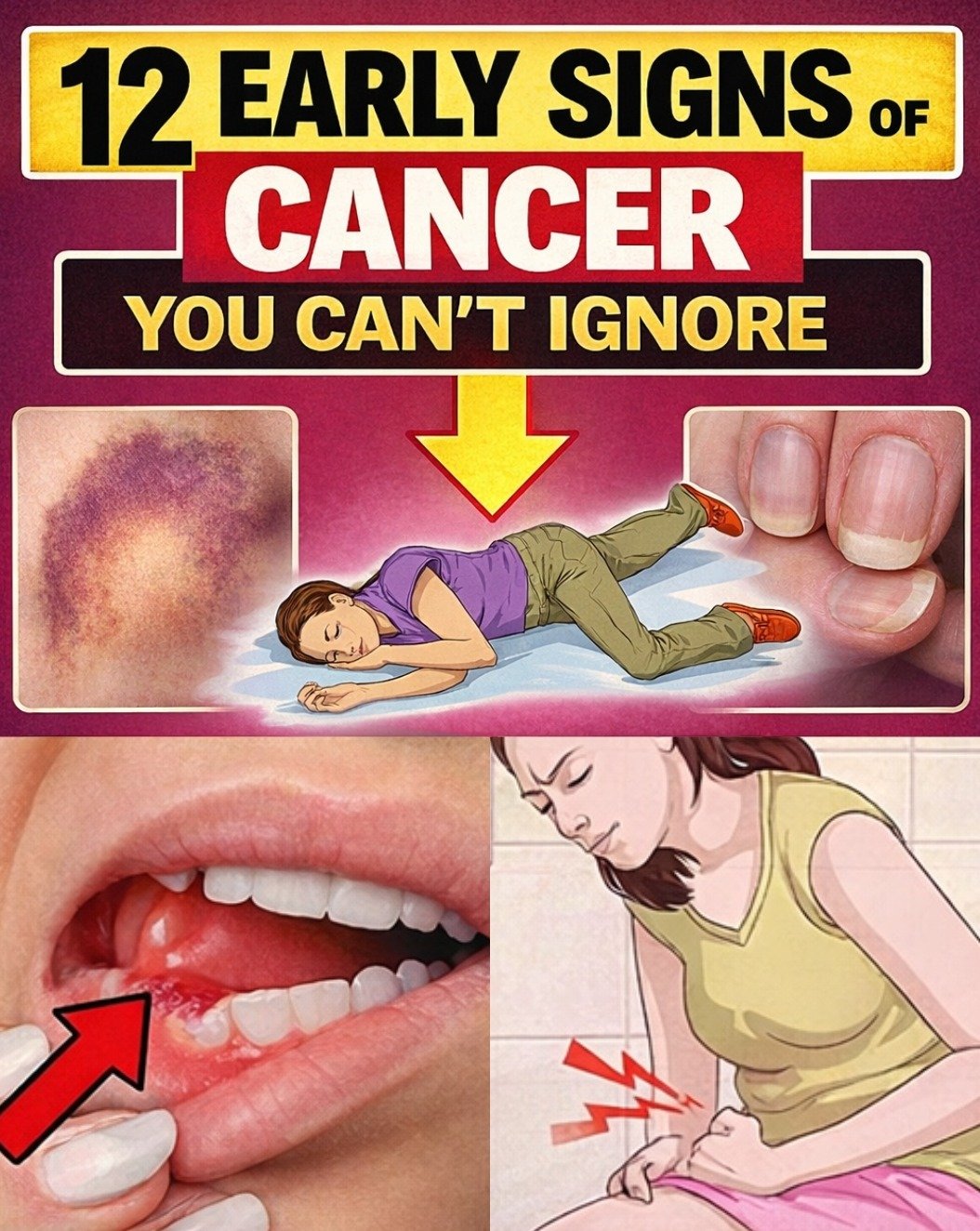
To help you stay informed, we’ve compiled 12 early signs of cancer that you should never, ever overlook.
1. Unexplained Weight Loss
Experiencing significant weight loss without making any deliberate changes to your diet or exercise routine could be one of cancer’s earliest red flags. This concerning symptom frequently appears in cases of pancreatic, stomach, esophageal, or lung cancers. Quite often, individuals also report feeling profound weakness and a persistent lack of energy alongside this unexplained weight reduction.
2. Persistent Fatigue
If you’re grappling with an overwhelming sense of tiredness that simply doesn’t get better, even after adequate rest, it might be signaling a deeper medical issue. Some forms of cancer, like leukemia, directly impact your body’s blood production and immune system, resulting in chronic fatigue and overall bodily weakness.
3. Pain That Doesn’t Go Away
Any chronic pain that lingers without an obvious explanation is a symptom you should absolutely not dismiss. For instance, persistent headaches could potentially be connected to brain tumors, and ongoing back pain might, in some instances, point towards cancers affecting the spine or abdominal region.
4. Changes in the Skin
Noticeable alterations in your skin often serve as crucial early indicators of cancer. It’s important to vigilantly monitor for any new moles, changes in the size or color of moles you already have, sores that stubbornly refuse to heal, or any bleeding that appears without a clear reason. Additionally, a yellowing tint to your skin or eyes, known as jaundice, could potentially point to cancers affecting the liver or digestive system.
5. Difficulty Swallowing
If you repeatedly experience the sensation that food is getting caught in your throat, or if you frequently struggle with swallowing, these could be concerning warning signs of throat or esophageal cancer. Should this difficulty persist, it’s absolutely crucial to seek a thorough medical evaluation.
6. Persistent Cough or Hoarseness
A cough that persists for several weeks, particularly when it’s not accompanied by a cold or other infection, might signal the presence of lung cancer. Similarly, any long-lasting hoarseness or significant changes in your voice warrant medical attention, as these symptoms can sometimes be linked to cancers of the throat or vocal cords.
7. Changes in Bowel Habits
Experiencing persistent diarrhea, chronic constipation, or noticing blood in your stool can all be early indicators of colorectal cancer. Any significant and lasting shift in your usual bowel patterns that continues for more than a couple of weeks should definitely prompt you to seek medical advice.
8. Unexplained Bleeding or Discharge
The presence of blood in your urine, stool, or sputum, or any unusual vaginal discharge, could potentially point to cancers affecting the colon, bladder, kidneys, uterus, or lungs. It is imperative that these types of symptoms are always evaluated by a medical professional without delay.
9. Lumps or Swelling
Discovering new lumps or areas of swelling in places like the breast, testicles, neck, or lymph nodes, especially if they are growing or don’t go away, can be crucial early indicators of cancer. Conditions such as breast cancer, testicular cancer, and lymphoma frequently manifest with these types of physical changes.
10. Changes in Urination
Experiencing painful urination, a heightened sense of urgency to urinate, or noticing blood in your urine can all be associated with bladder, prostate, or kidney cancer. This is particularly true if these symptoms persist over time and do not resolve.
11. Persistent Indigestion or Abdominal Discomfort
If you’re frequently suffering from persistent heartburn, uncomfortable bloating, or feeling uncomfortably full even after consuming only small amounts of food, these could potentially be linked to stomach or pancreatic cancer. Unfortunately, these important symptoms are often mistakenly attributed to more common, benign digestive problems.
12. Unexplained Fever
Recurrent or prolonged fevers that occur without any clear sign of infection, particularly when they are accompanied by night sweats or unexplained weight loss, may be a significant indicator of conditions like leukemia, lymphoma, or other types of cancer.
Conclusion
While the specific symptoms of cancer can differ widely based on its type and location within the body, a concerning number of crucial early warning signs are frequently missed or dismissed. Actively listening to your body’s signals and taking prompt action based on what you observe can truly make a life-altering difference in your health journey.
👉 Remember, early detection is not just a phrase; it saves lives.
Remain vigilant, always trust your instincts when something feels off, and never, under any circumstances, delay seeking professional medical advice.
Prioritizing your health is paramount – it’s the most valuable investment you can make.