 By admin
 Imagine waking up to a small red spot on your skin, dismissing it as a minor irritation. But what if that seemingly innocent patch is actually a rapidly spreading bacterial invasion demanding immediate medical attention? This insidious condition is known as erysipelas, a potentially serious bacterial skin infection that can escalate dramatically if not addressed swiftly.
In this essential guide, we’ll dive deep into understanding erysipelas, uncovering its hidden causes, crucial warning signs, significant risk factors, and why recognizing it early is absolutely vital for effective and timely treatment.
🌿 What Exactly Is Erysipelas?
Erysipelas isn’t just any skin rash; it’s an acute bacterial infection that targets the superficial layers of your skin and the delicate lymphatic vessels just beneath. It’s most frequently triggered by Group A Streptococcus bacteria, the very same culprits often responsible for common strep throat infections.
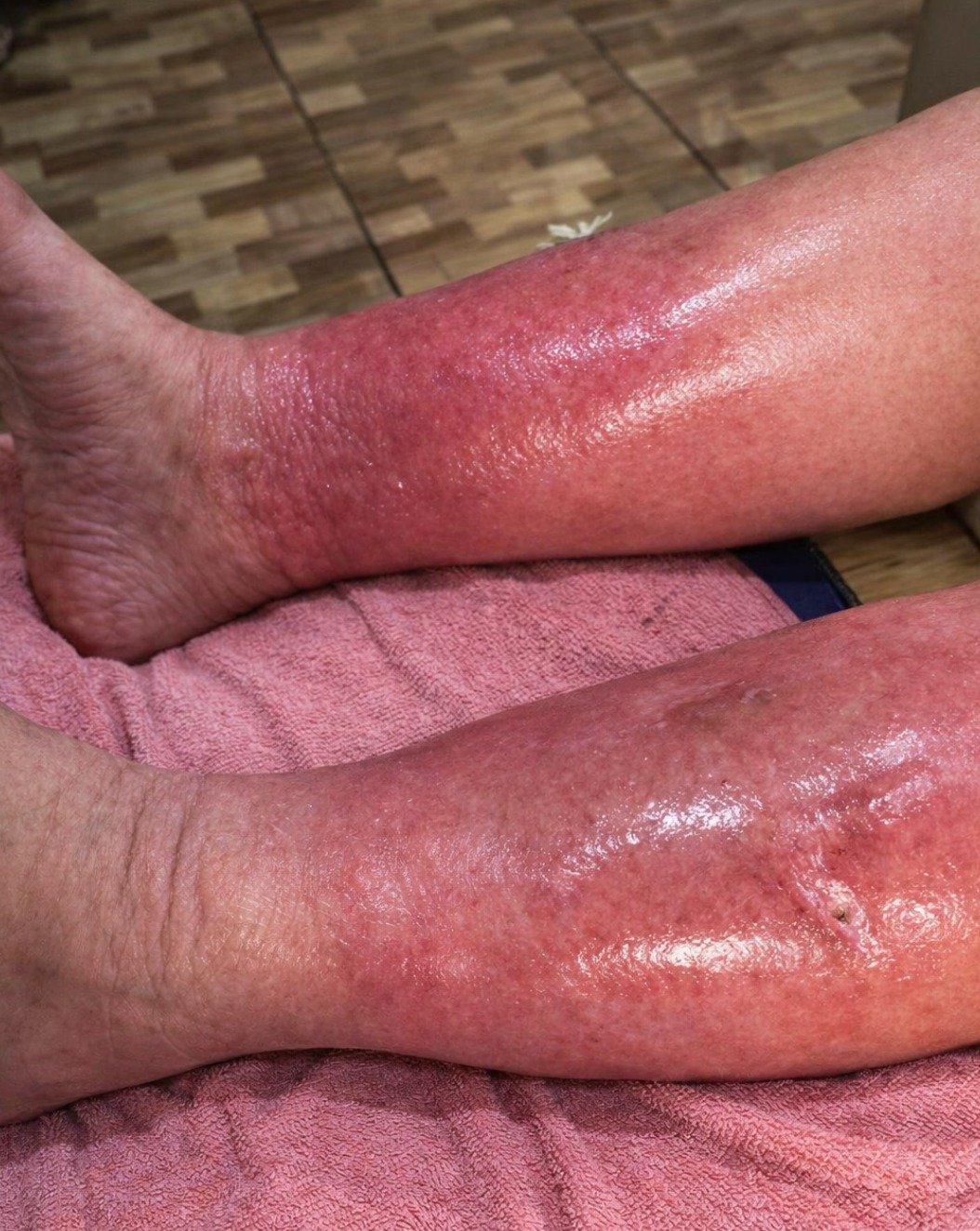
What truly sets erysipelas apart is its dramatic, sudden appearance and the distinctive presentation of a vibrantly red, noticeably swollen, and intensely painful area on the skin, typically featuring sharply defined, raised borders.
🔍 Critical Symptoms You CANNOT Afford to Miss
Catching erysipelas at its earliest stage can dramatically alter the course of your recovery. Be vigilant for these common and telling symptoms:
- 🔴 A distinctively bright red patch or plaque, often with noticeably raised and sharply defined edges.
- 🌡️ Skin that feels unusually warm or hot to the touch, indicating inflammation.
- ⚡ Significant pain or tenderness when the affected area is touched or moved.
- 🤒 A sudden onset of high fever, frequently accompanied by chills and general malaise.
- 💢 Visible swelling, which is particularly common in the legs or face.
It’s crucial to note that unlike some other skin infections such as cellulitis, erysipelas typically presents with far more sharply demarcated borders, often appearing raised, which can be a key visual identifier.
⚠️ What Triggers Erysipelas?
This infection usually takes hold when bacteria find a way to penetrate the skin’s protective barrier through even the tiniest cuts, unseen cracks, or minor wounds – entry points you might not even realize are there.
Common entry points for these invasive bacteria include:
- Small skin traumas like minor cuts, accidental scratches, or insect bites.
- Existing surgical wounds or incisions.
- Underlying skin conditions such as eczema, psoriasis, or athlete’s foot, which compromise skin integrity.
Once they’ve breached the surface, these bacteria rapidly spread throughout the lymphatic system, initiating the intense inflammation and the characteristic visible skin changes we associate with erysipelas.
🧬 Key Risk Factors You ABSOLUTELY Need to Know
Certain health conditions and lifestyle factors can significantly heighten your vulnerability to developing erysipelas:
- 🦵 Lymphedema, a chronic swelling caused by impaired lymphatic drainage.
- 🩸 Issues with poor circulation or venous insufficiency, particularly in the legs.
- 🍬 Uncontrolled Diabetes, which can weaken the immune system and impair skin healing.
- 🧓 A compromised or weakened immune system, often due to aging, chronic illness, or certain medications.
- 🦶 Untreated fungal infections, such as athlete’s foot, which create openings in the skin.
- ⚖️ Obesity, which can contribute to lymphedema and skin folds.
Individuals presenting with any of these risk factors must exercise heightened vigilance regarding their skin care practices and overall hygiene.
🚨 Why Acting Fast with Treatment Is NON-NEGOTIABLE
While erysipelas is indeed treatable, postponing medical attention can tragically pave the way for a cascade of severe and potentially life-threatening complications, including:
- The formation of painful abscesses beneath the skin.
- A dangerous spread of the infection into deeper tissues, making it harder to eradicate.
- Sepsis, a devastating and life-threatening systemic infection that requires immediate critical care.
- A higher propensity for recurring infections, leading to chronic issues.
Swift intervention with the correct course of antibiotics is absolutely paramount to halt the infection’s progression and mitigate any further tissue damage.
💊 How Is Erysipelas Effectively Treated?
Successfully treating erysipelas typically involves a multi-pronged approach, focusing on eliminating the bacteria and supporting recovery:
- Administering oral or intravenous antibiotics, with the specific type and dosage tailored to the infection’s severity.
- Encouraging ample rest and elevating the affected body part to reduce swelling and discomfort.
- Implementing effective pain management strategies to alleviate discomfort.
- Ensuring adequate hydration and providing comprehensive supportive care to aid the body’s healing process.
While most patients typically experience significant improvement within just a few days of initiating treatment, it is absolutely critical to complete the *entire* prescribed course of antibiotics to ensure full eradication of the infection and prevent recurrence.
🛡️ Essential Prevention Strategies
Though it may not be possible to prevent every single case, you can significantly lower your risk of developing erysipelas by adopting these proactive measures:
- Consistently keeping your skin clean and adequately moisturized to maintain its natural barrier function.
- Immediately and thoroughly treating any cuts, scrapes, or wounds, no matter how minor they seem.
- Diligently managing chronic health conditions such as diabetes, which can impact skin health and immunity.
- Wearing appropriate, protective footwear, especially if you have compromised circulation or skin on your feet.
- Promptly addressing and treating any fungal infections, like athlete’s foot, to prevent skin breaks.
🌟 Your Health Is Paramount: Final Thoughts
That seemingly innocuous red patch on your skin should never be casually dismissed. The case of erysipelas serves as a potent reminder that even subtle changes in your skin can be critical indicators of something far more serious lurking beneath the surface.
Arming yourself with knowledge about its symptoms and risk factors empowers you to react decisively and seek the appropriate medical care, safeguarding not only the health of your skin but your entire well-being.
👉 If you or someone you know notices sudden, spreading redness, significant swelling, and experiences fever, do NOT hesitate or ignore it. Contact a healthcare professional immediately – your swift action could make all the difference.