 By admin
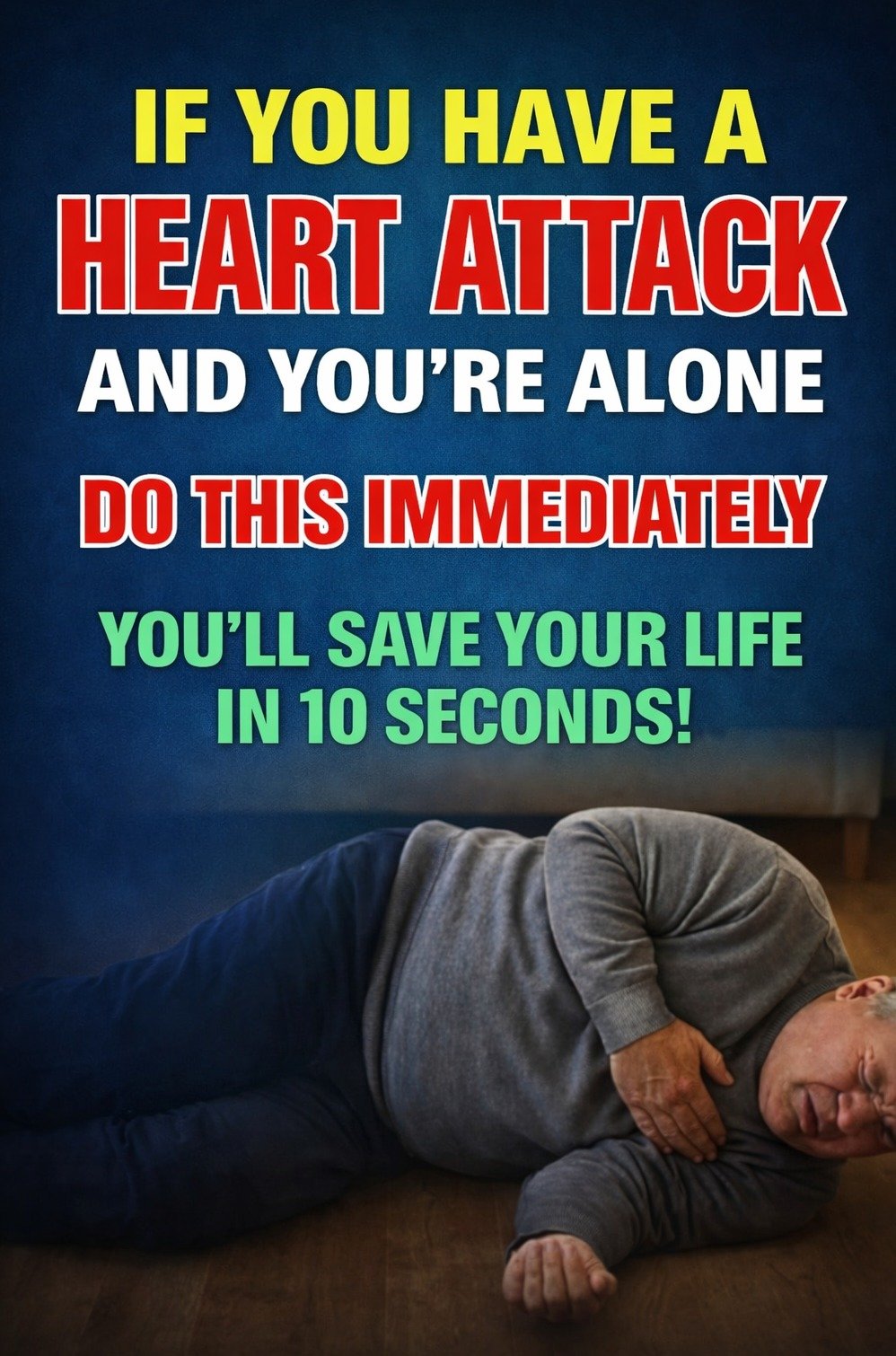
 Imagine this terrifying scenario: you’re completely alone, and suddenly, the unmistakable signs of a heart attack begin to surface. What do you do in those critical, life-or-death moments?
There’s nothing quite as terrifying as confronting a major medical crisis when you’re by yourself. Yet, understanding the precise actions to take during a heart attack could literally be the defining factor between life and death. Your swift and accurate response in those initial, precious minutes dramatically boosts your odds of survival.
This comprehensive guide will equip you with vital knowledge, revealing the critical early warning signs, outlining the 5 essential, immediate steps to follow, and offering actionable prevention tips to safeguard your cardiovascular health for years to come.
🚨 What Is a Heart Attack?
Medically known as a myocardial infarction, a heart attack is a critical event that unfolds when the blood supply to a segment of your heart muscle becomes obstructed. When this vital oxygen flow is cut off, the affected heart tissue starts to sustain damage in a matter of minutes.
⚠️ Early Symptoms You Should NEVER Ignore
Your ability to identify these symptoms without delay serves as your most crucial defense. The typical indicators often include:
- Intense chest pain or pressure (often described as tightness, squeezing, or a burning sensation)
- Discomfort that radiates to your arm, neck, jaw, or back
- Unexplained shortness of breath
- Breaking out in a cold sweat or feeling lightheaded
- Nausea or even vomiting
- Persistent or unusual fatigue (a particularly common symptom for women)
👉 Crucial Note: Heart attack symptoms are not always textbook and can manifest differently for each individual. Therefore, any level of unexpected discomfort should be treated with extreme seriousness.
🆘 5 Life-Saving Steps If You’re Alone
Should you find yourself experiencing what you believe to be a heart attack with no one else present, it is imperative to implement these critical steps without a moment’s hesitation:
1. Call Emergency Services Right Away
Immediately contact your local emergency services number. Absolutely do not delay seeking help or attempt to ‘power through’ the symptoms.
2. Unlock Your Door
If you are able, unlock your main entrance. This simple action ensures that paramedics and emergency personnel can gain swift access to you without delay.
3. Sit Down and Stay Calm
Refrain from any strenuous physical exertion. Gently sit or lie down, concentrating on maintaining slow, controlled breaths to help manage anxiety and conserve energy.
4. Take Aspirin (If Safe for You)
Carefully chew one regular-strength aspirin tablet. This is vital *only* if you have no known allergies to aspirin and your physician has not previously advised against its use, as it can help inhibit blood clot formation.
5. Keep Your Phone Nearby
Maintain communication with emergency services if at all possible, and meticulously follow any directions they provide until help arrives.
⏱️ Why Acting FAST Matters
During a heart attack, every single minute is precious. Decisive and rapid intervention can dramatically impact outcomes by:
- Minimizing damage to your heart muscle
- Significantly boosting survival rates
- Averting severe long-term complications
Procrastinating or delaying essential medical treatment can unfortunately result in permanent, irreversible heart damage—or even prove fatal.
🛡️ Prevention: Protect Your Heart Every Day
While the unexpected can occur, a significant number of heart attacks are actually preventable through the consistent adoption of heart-healthy lifestyle choices:
🥗 Eat a Heart-Healthy Diet
- Prioritizing a rich intake of fruits, vegetables, and whole grains
- Drastically cutting back on salt, added sugars, and highly processed foods
🏃 Stay Physically Active
- Striving for a minimum of 30 minutes of moderate-intensity exercise most days of the week
🚭 Avoid Smoking
- Quitting smoking immediately, as it drastically elevates your risk of heart disease
🧘 Manage Stress
- Incorporating relaxation methods such as meditation, yoga, or deep breathing exercises into your routine
🩺 Regular Health Checkups
- Consistently monitoring your blood pressure, cholesterol levels, and blood sugar with your doctor
💡 Final Thoughts
A heart attack can strike without warning, turning your world upside down in an instant. However, being fully prepared empowers you. Possessing the knowledge of critical symptoms and executing swift action can undeniably save your life, particularly when you find yourself in isolation.
There’s no time to waste when it comes to heart health. Commit these vital steps to memory, disseminate this crucial information among your family and friends, and remain vigilant and ready to act when every second truly counts.