 By admin
 Over recent years, the growing interest in natural wellness has led to a re-examination of traditional plants, and among these, moringa seeds have rapidly emerged as a prominent topic of discussion.
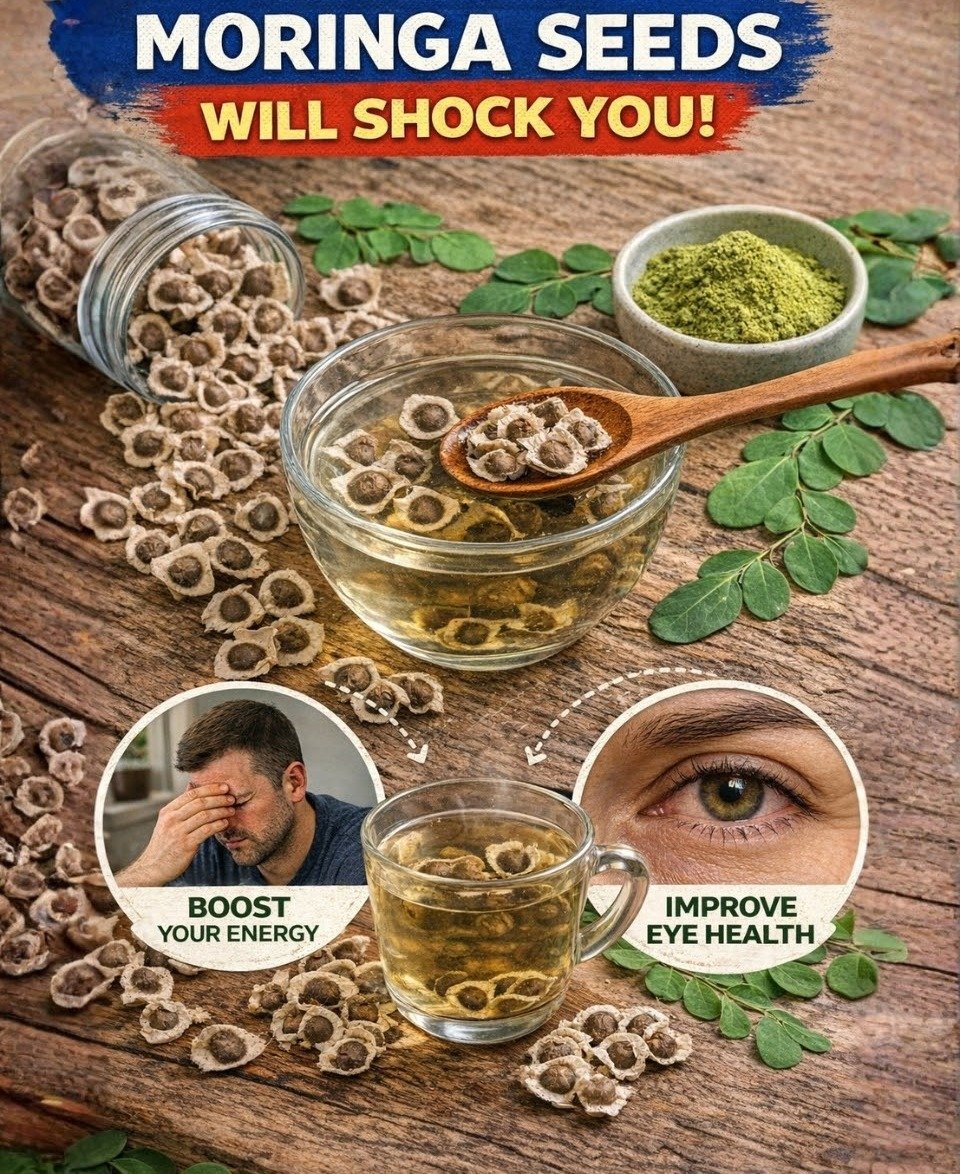
These particular seeds originate from the Moringa oleifera plant, which is indigenous to certain regions of India and Africa. For countless generations, they have played a significant role in various traditional practices. Currently, contemporary scientific investigations are beginning to uncover their distinct nutritional profile and potential contributions to overall health and vitality.
Yet, what exactly sets moringa seeds apart from other natural ingredients, and why are an increasing number of individuals choosing to incorporate them into their daily health routines?
Let’s delve deeper to understand their appeal.
🌱 What Makes Moringa Seeds Unique?
In contrast to the more commonly utilized moringa leaves, the seeds possess a distinctive chemical composition:
-
Abundant in beneficial fats (particularly oleic acid, which is comparable to that found in olive oil)
-
A good source of plant-based protein
-
Provide various bioactive compounds such as flavonoids and tocopherols
Some detailed analyses indicate that moringa seeds can contain between 30% and 40% oil, positioning them as a nutritionally dense and adaptable dietary component.
Initial scientific explorations, including comprehensive reviews from reputable sources like PubMed and Healthline, underscore their considerable antioxidant capabilities and rich nutrient content, although extensive human clinical trials are still in their early stages.
✨ 12 Potential Benefits of Moringa Seeds
(Based on preliminary research and historical traditional applications)
⚠️ Note: These are supportive properties—they are not presented as medical claims.
1. 🫒 Source of Healthy Fats
They are notably rich in monounsaturated fats, with over 70% comprising oleic acid, which is widely recognized for its association with diets that promote heart health.
2. 💪 Plant-Based Protein Support
After the oil extraction process, the remaining seed residue can still contain a significant amount of protein, ranging from 19% to 30%, which includes a full spectrum of essential amino acids.
3. 🌿 Antioxidant Support
These seeds are packed with beneficial compounds that may contribute to the reduction of oxidative stress within the body.
4. 🔥 Potential Anti-Inflammatory Properties
Some initial scientific investigations suggest that the plant compounds present in moringa seeds might play a role in supporting a balanced and healthy inflammatory response.
5. ⚖️ Blood Sugar Balance Support
Preliminary findings have indicated that they may exert modest positive effects on the regulation of glucose levels.
6. ❤️ Cholesterol Balance
The unique fat profile of moringa seeds could potentially aid in maintaining healthy lipid levels when incorporated into a well-rounded and balanced dietary regimen.
7. 🦠 Antimicrobial Activity (Lab Studies)
Extracts derived from moringa seeds have demonstrated notable activity against specific types of bacteria and fungi in controlled laboratory environments.
8. 🧬 Liver Support (Animal Studies)
Early-stage research indicates possible protective and supportive effects on liver function, primarily observed in animal studies.
9. ✨ Skin & Hair Nourishment
Moringa seed oil is frequently applied topically to provide moisture and promote the appearance of healthy, vibrant skin and hair.
10. 💧 Traditional Water Purification
Historically, crushed moringa seeds have been employed in traditional practices to assist in clarifying and purifying water sources.
11. 🛡️ Immune System Support
Their rich content of antioxidants and essential nutrients contributes to the potential support of a robust immune system.
12. ⚡ Natural Energy Support
Moringa seeds provide a synergistic blend of fats, protein, and vital minerals that can help in sustaining consistent daily energy levels.
🍽️ Easy Ways to Add Moringa Seeds to Your Routine
Incorporating moringa seeds into your daily regimen doesn’t need to be complicated or time-consuming.
✔️ Choose Quality First
Always prioritize selecting organic, food-grade seeds obtained from reputable and trustworthy suppliers.
✔️ Simple Preparation Methods
-
Carefully remove the outer shell
-
Chew 1–2 seeds daily, or
-
Alternatively, grind them into a fine powder and mix into beverages
✔️ Daily Use Ideas
-
Blend them into your morning smoothies or herbal teas
-
Sprinkle them over yogurt or oatmeal for added nutrition
-
Integrate them into fresh salads for a nutty crunch
-
Utilize moringa oil for culinary purposes or as a part of your skincare routine
⚖️ Recommended Intake
Begin with a modest amount:
-
1–3 seeds per day, or
-
Approximately ½ teaspoon of powder
Gradually adjust the quantity based on your personal comfort and how it integrates into your routine.
🌿 Seeds vs. Leaves: What’s the Difference?
| Aspect | Moringa Seeds | Moringa Leaves |
|---|---|---|
| Main Nutrients | Healthy fats, protein | Vitamins, minerals |
| Common Use | Whole seeds or oil | Tea, powder |
| Taste | Nutty, slightly bitter | Mild, green flavor |
🌟 Final Thoughts
Moringa seeds present a compelling blend of traditional wisdom and contemporary scientific exploration. While they should not be considered a cure for ailments or a substitute for medical treatment, they can certainly serve as a valuable supportive element within a balanced lifestyle when consumed thoughtfully and responsibly.
As with any natural dietary component, factors such as consistency, moderation, and the quality of the product are paramount to experiencing potential benefits.
❓ Frequently Asked Questions
How many seeds should I take daily?
It’s advisable to start with 1–2 seeds per day or a small, measured amount of powder.
Are moringa seeds safe for everyone?
Generally, moringa seeds are considered safe when consumed in typical food quantities. However, if you are pregnant, breastfeeding, or currently taking any medications, it is crucial to consult a healthcare professional beforehand.
Seeds vs. powder—what’s better?
Both forms offer benefits. Whole seeds can be eaten directly for their texture and nutrient profile, whereas the powder provides greater convenience for effortless incorporation into various foods and beverages.
⚠️ Disclaimer
This article is provided for informational purposes only and is not intended to serve as a substitute for professional medical advice, diagnosis, or treatment. Moringa seeds are not designed to diagnose, treat, prevent, or cure any disease or health condition. Always seek the advice of a qualified healthcare provider or medical professional before introducing any new ingredients or supplements into your routine, especially if you have pre-existing health conditions or are currently on medication.