 By admin
 Known globally as yuca, manioc, or simply cassava root, this versatile staple forms a crucial part of diets across numerous regions, particularly in Latin America, Africa, and Asia. Its popularity stems from its adaptability in cooking and its substantial carbohydrate content, making it a cornerstone in traditional dishes and everyday sustenance.
Despite its widespread use, many consumers are unaware that cassava can pose significant health risks if not prepared correctly.
Beneath its unassuming, mild taste, cassava harbors a potential danger: when consumed raw, it contains naturally occurring compounds that can prove toxic to human health.
This comprehensive guide will illuminate the true hazards associated with cassava, provide clear instructions on safe preparation methods, and demonstrate how you can savor its nutritional advantages without jeopardizing your well-being.
🌿 The Enduring Popularity of Cassava
Cassava maintains its widespread consumption due to several key attributes, including:
- An excellent source of carbohydrates, providing sustained energy.
- Inherently gluten-free, making it suitable for various dietary needs.
- Economical and readily available in many markets.
- Highly adaptable in culinary applications, perfect for boiling, frying, baking, or mashing.
Despite these numerous advantages, ensuring its safe consumption should always be the top priority.
☠️ The Latent Threat: Natural Toxins Present in Unprepared Cassava
Uncooked cassava inherently contains cyanogenic glycosides, which are naturally occurring chemical compounds capable of liberating cyanide upon ingestion.
Consuming cassava in its raw state or without adequate preparation can result in a range of adverse health effects, including:
- Gastrointestinal distress such as nausea and vomiting.
- Neurological symptoms like dizziness and persistent headaches.
- Respiratory difficulties.
- In extreme instances, acute cyanide poisoning, which can be fatal.
👉 Therefore, diligent and correct preparation is not merely recommended, but absolutely imperative for safety.
🔥 Essential Steps for Safe Cassava Preparation
To effectively neutralize and eliminate the toxic compounds found in cassava, it is crucial to adhere to the following preparation guidelines with utmost care:
🧼 1. Thorough Peeling
Ensure that the thick, fibrous outer skin is entirely removed, as this layer harbors the highest concentrations of toxic compounds.
💧 2. Soaking (Optional, Yet Highly Recommended)
Submerging cassava in water for a duration of several hours can significantly aid in the reduction of its detrimental compounds, enhancing safety.
🍲 3. Ensure Thorough Cooking
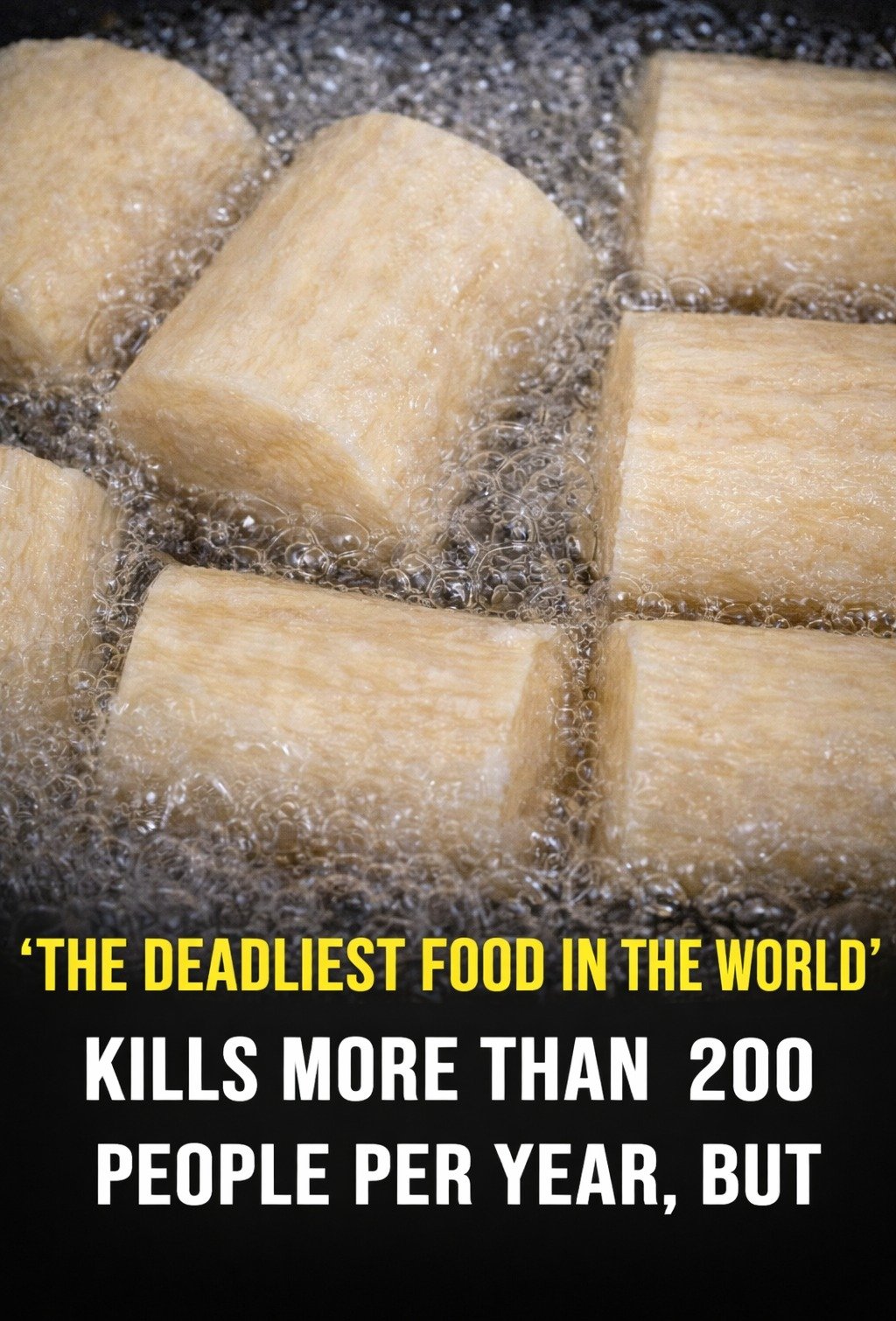
It is absolutely imperative to cook cassava completely until it is tender. Recommended safe cooking methods include:
- Boiling until very soft.
- Steaming thoroughly.
- Frying only after it has been fully boiled.
⚠️ Under no circumstances should cassava be consumed raw or inadequately cooked.
💨 4. Ensure Proper Ventilation During Cooking
During the boiling process, ensure the cooking area is well-ventilated, allowing any potentially harmful gases to dissipate safely into the air.
⚠️ Distinguishing Between Bitter and Sweet Cassava
Generally, cassava is categorized into two principal varieties:
- Sweet cassava: This type contains significantly lower levels of toxins and is the variety most frequently found in commercial markets.
- Bitter cassava: Characterized by a much higher concentration of toxic compounds, this variety necessitates more rigorous and extensive processing before it can be safely consumed.
👉 It is paramount to always ascertain the specific type of cassava you are handling to apply the appropriate preparation methods.
💪 The Nutritional Advantages of Properly Prepared Cassava
Once cassava has been safely and thoroughly cooked, it provides a range of valuable nutritional contributions, including:
- A potent and readily available source of energy.
- Beneficial dietary fiber, supporting healthy digestion.
- Valuable micronutrients such as Vitamin C and various essential minerals.
Thus, when consumed with due diligence and proper preparation, cassava can certainly form a wholesome component of a balanced diet.
🧠 Critical Safety Guidelines for Cassava Consumption
- Absolutely avoid consuming raw cassava under any circumstances.
- Always ensure it is thoroughly peeled and cooked until very tender.
- Discard any water used for soaking or boiling, as it may contain leached toxins.
- Source your cassava from reputable vendors or trusted suppliers.
- Exercise particular vigilance during preparation, especially when preparing for children.
🎥 Further Educational Resources
Numerous educational videos feature experts who meticulously detail the severe health risks associated with inadequate cassava preparation, while also demonstrating straightforward techniques that render it entirely safe for consumption.
🌟 Concluding Remarks
Cassava stands as a genuinely valuable and nutritious foodstuff, cherished and consumed by millions across the globe; however, its preparation unequivocally demands meticulous care and attention.
By thoroughly comprehending the inherent risks and diligently adhering to the established proper preparation protocols, you can confidently enjoy cassava in a safe manner, thereby safeguarding your health and well-being.