 By admin
 Waking up to itchy, red welts on your skin can be unsettling, and often, bed bugs are the hidden cause. These minuscule pests invade over 14% of U.S. households annually, according to the National Pest Management Association, transforming restful nights into a constant worry. Their bites bring discomfort, and their mere presence can trigger significant anxiety. But what exactly are bed bugs, how do they affect your well-being, and can natural remedies like diatomaceous earth truly offer a solution? This comprehensive guide delves into the world of bed bug infestations, exploring their effects on your skin, and outlining effective strategies to combat them. You’ll learn how to identify these elusive insects, treat their bites, and safely apply diatomaceous earth, all while safeguarding your home and restoring your peace of mind. Let’s shed light on bed bugs and equip you with the knowledge to regain control.
What Are Bed Bugs and Why Are They a Problem?
Bed bugs are small, wingless insects that primarily feed on human blood during the night. Typically measuring around 5mm, they are similar in size and shape to an apple seed and expertly conceal themselves in mattresses, furniture, or even tiny cracks in walls. Their remarkable ability to survive for months without a blood meal makes them particularly challenging to eradicate. The Environmental Protection Agency reports a staggering 500% increase in bed bug infestations in urban areas over the past two decades, largely attributed to increased global travel and the pests’ growing resistance to conventional pesticides.
Why should these creatures concern you? Beyond their unsettling presence, bed bugs severely disrupt sleep and contribute to heightened stress levels. Their bites can provoke allergic reactions, and in rare instances, repeated scratching can lead to secondary skin infections. While bed bugs do not transmit diseases like mosquitoes, their psychological impact is profound—imagine the constant unease of knowing that unseen pests are lurking in your sleeping environment. Understanding their habits and vulnerabilities is the crucial first step toward reclaiming your personal space.
How to Spot a Bed Bug Infestation
Early detection of bed bugs can significantly reduce the time, expense, and frustration associated with an infestation. These pests are adept at hiding, yet they leave behind distinct clues. Here’s a detailed guide on what signs to look for:
- Bites on Skin: Look for small, red, itchy welts that often appear in clusters or linear patterns on exposed skin areas, such as your arms or legs.
- Blood Stains: You might notice tiny reddish-brown spots on your sheets or mattress, which are typically remnants of crushed bugs or small blood spots from their bites.
- Fecal Marks: Dark, ink-like stains, often found along the seams of bedding or furniture, are indicators of bed bug droppings.
- Eggs or Shells: Keep an eye out for tiny, pale white eggs or translucent, shed skins in crevices, mattress folds, or cracks.
- Musty Odor: In heavily infested areas, a distinct sweet, yet unpleasant, musty odor may be present.
Thoroughly inspect mattresses, box springs, headboards, and any nearby furniture. A flashlight can be invaluable for examining seams, folds, and hidden corners. If you suspect an infestation, swift action is paramount to prevent its further spread. For example, Jane, a New York apartment resident, began noticing bites after returning from a trip. A careful inspection of her mattress revealed tiny fecal spots, confirming the presence of bed bugs. Her prompt detection enabled her to address the problem effectively before it escalated.
Health Impacts of Bed Bug Bites
Bed bug bites are more than just an irritation; they can significantly impact both your physical and mental health. When a bed bug bites, it injects saliva containing an anticoagulant and an anesthetic, which can trigger allergic reactions in susceptible individuals. Symptoms can range from mild redness and slight itching to severe itching, significant swelling, or even blistering. A 2021 study published in the Journal of Allergy and Clinical Immunology indicated that approximately 20% of people experience moderate to severe skin reactions to bed bug bites.
| Symptom | Description | Duration |
|---|---|---|
| Red Welts | Small, raised bumps, often in clusters | 3–10 days |
| Itching | Intense, persistent urge to scratch | Varies, up to 2 weeks |
| Swelling | Localized swelling in sensitive individuals | 1–7 days |
| Secondary Infections | From scratching, leading to pus or pain | Requires medical care |
Constant scratching can break the skin barrier, creating an entry point for bacteria and potentially leading to secondary infections, which may present with pus or increased pain. Beyond the physical symptoms, the psychological stress of an ongoing infestation can result in insomnia, anxiety, and even depression. Consider Mark, a college student, who experienced severe sleeplessness after discovering bed bugs in his dorm room, which negatively impacted his academic performance. If bite symptoms persist or worsen, it is advisable to consult a doctor who can recommend antihistamines or topical steroids to alleviate discomfort.
Conventional Ways to Fight Bed Bugs
Successfully eliminating a bed bug infestation typically requires a comprehensive, multi-faceted strategy. Here are some established and effective methods to eradicate these resilient pests:
- Wash and Heat-Dry Bedding: Launder all infested linens, clothing, and fabrics in hot water (at least 120°F or 49°C) and then tumble dry them on the highest heat setting for a minimum of 30 minutes. This process effectively kills both bed bugs and their eggs.
- Vacuum Thoroughly: Regularly vacuum mattresses, upholstered furniture, carpets, and floors, paying close attention to seams, cracks, and crevices. Immediately after vacuuming, seal the vacuum bag in a plastic bag and dispose of it outdoors to prevent any re-infestation.
- Use Mattress Encasements: Invest in high-quality, zippered, bed bug-proof mattress and box spring encasements. These covers trap any existing bed bugs inside, starving them over time, and prevent new ones from colonizing your bed.
- Hire Professionals: For severe or persistent infestations, professional pest control experts offer specialized treatments such as heat treatments or targeted insecticides. The National Pest Management Association reports that professional heat treatments can be up to 95% effective when executed correctly.
For instance, Sarah, a homeowner, successfully cleared her home of bed bugs within two weeks by combining diligent vacuuming with a professional heat treatment. Persistence is crucial, as bed bugs are incredibly resilient, and half-hearted measures will likely prove ineffective. Furthermore, it’s important to avoid the overuse of chemical sprays, as they can pose health risks and often drive bugs deeper into hiding, making eradication more difficult.
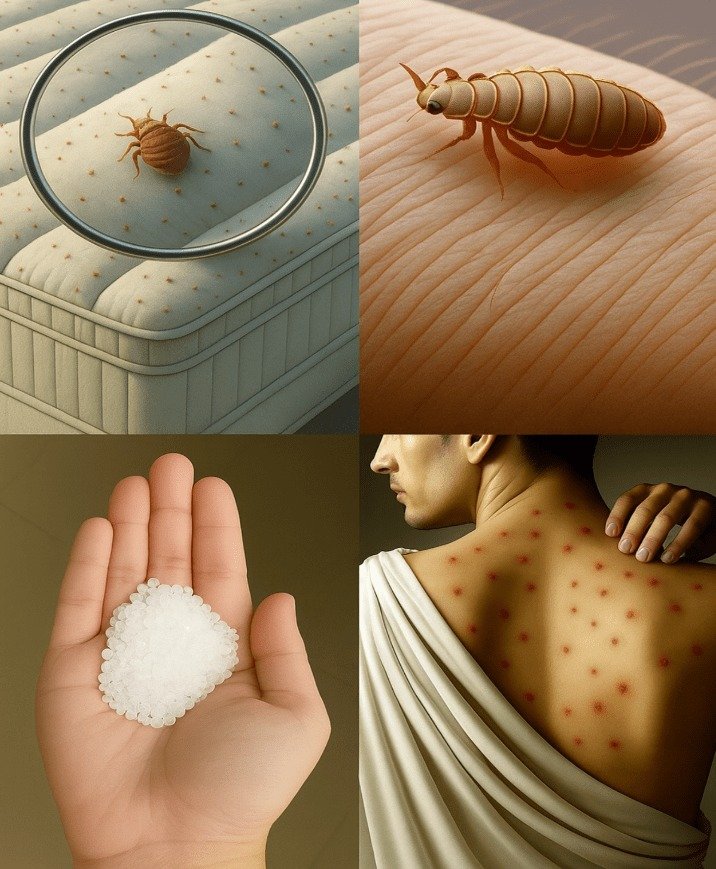
Diatomaceous Earth: A Natural Solution
Diatomaceous earth (DE) is a fine, powdery substance derived from the fossilized remains of diatoms, which are ancient aquatic organisms. Food-grade DE is generally considered safe for use around humans and pets, yet it acts as a deadly desiccant for bed bugs. Its microscopic, razor-sharp edges lacerate the waxy outer layer of the bed bug’s exoskeleton, leading to rapid dehydration and eventual death, typically within a few days. A 2018 study published in the Journal of Economic Entomology demonstrated that DE significantly reduced bed bug populations by 80% in controlled laboratory settings.
How to Use Diatomaceous Earth Safely
- Choose Food-Grade DE: Always ensure you are using food-grade diatomaceous earth, as pool-grade DE contains crystalline silica and can be toxic if inhaled.
- Apply Sparingly: Using a duster or a small brush, apply a very thin, barely visible layer of DE into cracks, crevices, along baseboards, and around bed frames. A thick layer will be avoided by bed bugs.
- Wear a Mask: To prevent accidental inhalation of the fine dust, especially in enclosed or poorly ventilated areas, wear a dust mask during application.
- Leave It in Place: Allow the applied DE to remain undisturbed for 7–10 days, providing sufficient time for bed bugs to come into contact with it. After this period, vacuum up the powder.
- Repeat as Needed: If signs of bed bugs persist, reapply the DE every few weeks until the infestation is completely gone.
For example, Tom, an apartment resident, applied DE along the perimeter of his bed frame and reported no new bites after two weeks. While DE is an affordable and environmentally friendly option, its action is relatively slow. Therefore, it is often most effective when used in conjunction with other bed bug eradication methods for quicker results. Always adhere to safety guidelines to protect everyone in your household during application.
Preventing Future Infestations
Once you’ve successfully eliminated a bed bug infestation, proactive prevention becomes paramount to ensure they don’t return. Here are practical and effective steps to safeguard your home against future invasions:
- Inspect Secondhand Items: Thoroughly examine any used furniture, clothing, or other items for signs of bed bugs before bringing them into your home.
- Use Protective Covers: Maintain the use of bed bug-proof mattress and pillow encasements year-round as a continuous protective barrier.
- Reduce Clutter: Minimize clutter in your living spaces, as fewer hiding spots mean fewer potential refuges for bed bugs to establish themselves.
- Be Cautious When Traveling: When staying in hotels or other accommodations, always inspect the bed, headboard, and surrounding areas for signs of bed bugs. Keep your luggage off the floor and away from the bed. Upon returning home, wash all travel clothes immediately in hot water and dry them on high heat.
A 2020 survey conducted by the University of Kentucky revealed that a significant 60% of bed bug infestations originate from travel or the introduction of secondhand items. By remaining vigilant and implementing these preventive measures, you can significantly reduce your risk of a future infestation. For instance, Lisa, a frequent traveler, now makes it a routine to use a portable luggage steamer to treat her bags after trips, effectively preventing any potential hitchhiking bed bugs from settling into her home.
Frequently Asked Questions
Can bed bugs live in my clothes?
Yes, bed bugs can indeed hide in clothing, particularly in seams or folds. To eliminate them, wash and dry clothes on high heat. During an active infestation, store clean items in sealed plastic bags.
How long do bed bug bites last?
Bed bug bites typically resolve within 3–10 days, though the itching sensation can sometimes persist for a longer period. Over-the-counter antihistamines or hydrocortisone cream can help alleviate symptoms. If symptoms worsen or do not improve, consult a doctor.
Is diatomaceous earth safe for pets?
Food-grade diatomaceous earth is generally safe for pets when used correctly. It’s important to prevent pets from inhaling the dust during application, and keep them away from treated areas until the powder has been vacuumed up.
Can I get rid of bed bugs without professional help?
For small, contained infestations, you may be able to manage bed bugs yourself through diligent use of heat treatments, thorough vacuuming, and diatomaceous earth. However, severe or widespread infestations often require professional intervention for complete and effective eradication.
This content is provided for informational purposes only and should not be considered a substitute for professional medical advice. Always consult a healthcare provider for persistent symptoms or a pest control expert for severe infestations.