 By admin
 Are you weary of the constant struggle against unwelcome household guests such as mice, flies, or cockroaches? It’s a common challenge, with over 60% of homes experiencing pest problems each year. However, a remarkably simple and effective solution might be closer than you think – right in your kitchen! Garlic, renowned for its distinctive pungent scent and powerful sulfur compounds, offers an all-natural, environmentally conscious method to ward off pests without resorting to harsh chemicals. Whether you’re dealing with mice darting through your pantry or mosquitoes buzzing around your outdoor living areas, garlic’s diverse applications make it an incredibly versatile and impactful tool. Is it possible that this everyday herb holds the key to maintaining a completely pest-free environment? This article will delve into seven proven strategies for utilizing garlic effectively against a range of pests, including mice, flies, lice, cockroaches, lizards, and mosquitoes, providing actionable recipes and practical advice. Drawing on both scientific research and time-honored traditions, this comprehensive guide presents safe, economical approaches to safeguard your home from pests.
The Science Behind Garlic’s Pest-Repelling Abilities
The remarkable effectiveness of garlic as a pest repellent stems directly from its unique composition of sulfur compounds, notably allicin and diallyl disulfide, which are responsible for its intensely strong and characteristic aroma. These specific compounds interfere with and disorient pests’ delicate sensory systems, rendering any treated area highly undesirable for them. Scientific evidence supports this, with a 2020 study published in the Journal of Pest Science specifically validating garlic’s efficacy against various insects, such as aphids and flies, by demonstrating its capacity for sensory disruption. Beyond its repellent scent, garlic’s inherent antimicrobial properties also contribute to deterring pests like lice and cockroaches, while its powerful odor effectively drives away rodents and lizards. When applied correctly, garlic presents a safe solution for homes with children and pets, offering a budget-friendly and natural substitute for conventional chemical pesticides. The following sections will provide detailed instructions on how to leverage garlic against a variety of common household pests.
1. Natural Garlic Spray: Your Defense Against Mosquitoes and Flies
While mosquitoes and flies are frequently attracted to warm, humid conditions, they are strongly repelled by the distinct aroma of garlic. A homemade garlic spray can be an excellent way to maintain a pest-free zone, both inside your home and in outdoor areas.
Recipe
- Ingredients: 4 medium-sized garlic cloves, 1 liter of fresh water, 3-4 drops of gentle liquid dish soap
- Instructions:
- Begin by thoroughly crushing the garlic cloves. Place the crushed garlic into the water and allow it to steep for a full 24 hours.
- After steeping, strain the garlic solids from the liquid. Incorporate the liquid dish soap, then carefully transfer the mixture into a clean spray bottle.
- Generously spray this solution around window frames, door entrances, and outdoor patio areas where these pests are commonly found.
- Application Guidelines: For optimal effectiveness, reapply the spray every 3-4 days, or immediately after any rainfall. When using in garden settings, ensure the spray is directed onto plant foliage and specifically avoid spraying on flowers to prevent harming beneficial pollinators.
Key Advantages
- This method effectively deters mosquitoes and flies without introducing any harmful or toxic chemicals into your environment.
- It is safe for use in outdoor living spaces and around edible plants, provided you wash the produce thoroughly before consumption.
| Pest | Garlic’s Effect | Target Application Zone |
|---|---|---|
| Mosquitoes | Interferes with sensory receptors | Windows, outdoor patios, garden plant leaves |
| Flies | Deters through strong, unpleasant odor | Kitchen spaces, refuse bins, entryways |
2. Utilizing Garlic Powder to Repel Mice
Mice possess an extremely acute sense of smell, which they heavily rely on for navigation and foraging. The intense aroma of garlic effectively disorients their sensory system, making any areas treated with it highly unappealing and encouraging them to stay away.
Application Technique
- Materials Needed: Either plain garlic powder or fresh, crushed garlic cloves
- Directions:
- Distribute a generous amount of garlic powder in locations where you’ve noticed mice activity, such as the secluded corners of your pantry or along the edges of baseboards.
- Alternatively, you can strategically place small containers filled with freshly crushed garlic cloves near suspected entry points or along common rodent paths.
- Maintenance: To ensure continuous effectiveness, refresh the garlic every 3-5 days. It is critically important to keep all garlic products and treated areas inaccessible to household pets, as garlic is known to be toxic to both dogs and cats.
Advantages
- Provides a non-toxic deterrent, offering a safer pest control option for homes.
- Effortless to apply, even in confined or difficult-to-access locations.
3. Combatting Cockroaches with Garlic Paste
Cockroaches are notoriously fond of the warm, moist environments often found in kitchens. However, the potent sulfur compounds present in garlic render these otherwise inviting spaces utterly unwelcoming and inhospitable to them.
Preparation
- Components: 3-4 fresh garlic cloves, 1 tablespoon of water
- Procedure:
- Using a mortar and pestle, thoroughly crush the garlic cloves until a fine paste is formed.
- Gradually mix in the water to achieve a consistency that is easily spreadable.
- Apply this garlic paste directly into cracks, crevices, and underneath kitchen appliances – common hiding spots for cockroaches.
- Usage Frequency: For sustained deterrence, reapply the paste on a weekly basis. Exercise caution against excessive indoor application to prevent an overly strong and persistent garlic odor throughout your home.
Advantages
- Effectively drives away cockroaches without the need for potentially hazardous chemical pesticides.
- Specifically targets those concealed areas where roaches tend to congregate and hide.
4. Natural Lice Treatment: The Garlic Poultice
Garlic’s inherent antimicrobial qualities, combined with its ability to create a suffocating environment, can be highly effective in eliminating both head lice and their nits (eggs). This provides a gentle, natural alternative to the often harsh chemical treatments available.
Preparation
- Components: 5 fresh garlic cloves, 1 tablespoon of olive oil
- Procedure:
- Mince or crush the garlic cloves into a very fine paste, then thoroughly blend it with the olive oil.
- Carefully apply this mixture directly to the scalp, ensuring that all areas affected by lice infestation are completely covered.
- Once applied, cover the treated hair with a shower cap and allow the poultice to remain for approximately 1 hour before rinsing the hair and scalp thoroughly.
- Treatment Schedule: Continue this application every 3 days until all signs of lice are completely gone. Prior to full application, it is advisable to perform a patch test on a small area of skin to check for any potential irritation.
Advantages
- Successfully eradicates lice and their eggs without the use of aggressive chemical substances.
- Considered safe for repeated applications, especially when correctly prepared and diluted.
5. Deterring Lizards with Whole Garlic Cloves
Lizards are particularly averse to the strong, pungent aroma of garlic, which makes it an excellent natural deterrent for establishing protective barriers around entry points to your home.
Simple Technique
- Materials Required: Whole, unpeeled garlic cloves
- Instructions:
- Strategically place whole or lightly crushed garlic cloves near windows, along door thresholds, or in proximity to any visible cracks and crevices that might serve as lizard entry points.
- Another effective method involves creating small bundles of garlic cloves and hanging them directly in doorways to establish a repellent zone.
- Maintenance: To maintain consistent effectiveness, it’s recommended to replace the garlic cloves every 5-7 days, ensuring their potent scent continues to act as a deterrent.
Key Advantages
- This method successfully discourages lizards from entering your home without causing them any physical harm.
- It offers an eco-conscious and effortlessly applicable solution for pest management.
6. Garden Protection: Garlic Spray for Outdoor Pests
Within a garden environment, garlic proves to be an invaluable natural repellent, effectively driving away common nuisances such as aphids, beetles, and slugs, all while safeguarding your precious plants from damage.
Preparation
- Components: 1 entire head of garlic, 4 cups of water, 1 tablespoon of hot chili powder, 5 drops of liquid dish soap
- Procedure:
- First, blend the entire head of garlic with 1 cup of water until smooth. Next, incorporate the remaining 3 cups of water and the hot chili powder into the mixture.
- Gently simmer this concoction for approximately 15 minutes. Allow it to cool completely, then strain the liquid thoroughly into a designated spray bottle.
- Finally, add the dish soap to the strained liquid and shake the bottle vigorously to ensure all ingredients are well combined.
- Usage Instructions: Apply this spray directly onto plant foliage, making sure to avoid spraying flowers to protect pollinators. Reapply every 3-4 days, or after any significant rainfall. Always conduct a preliminary test on a single leaf to confirm the plant’s tolerance before widespread application.
Key Advantages
- Successfully manages a variety of garden pests without posing a threat to essential beneficial insects, such as bees.
- Additionally offers a protective benefit against common fungal problems, including powdery mildew.
7. Long-Lasting Outdoor Mosquito Control with Garlic-Infused Oil
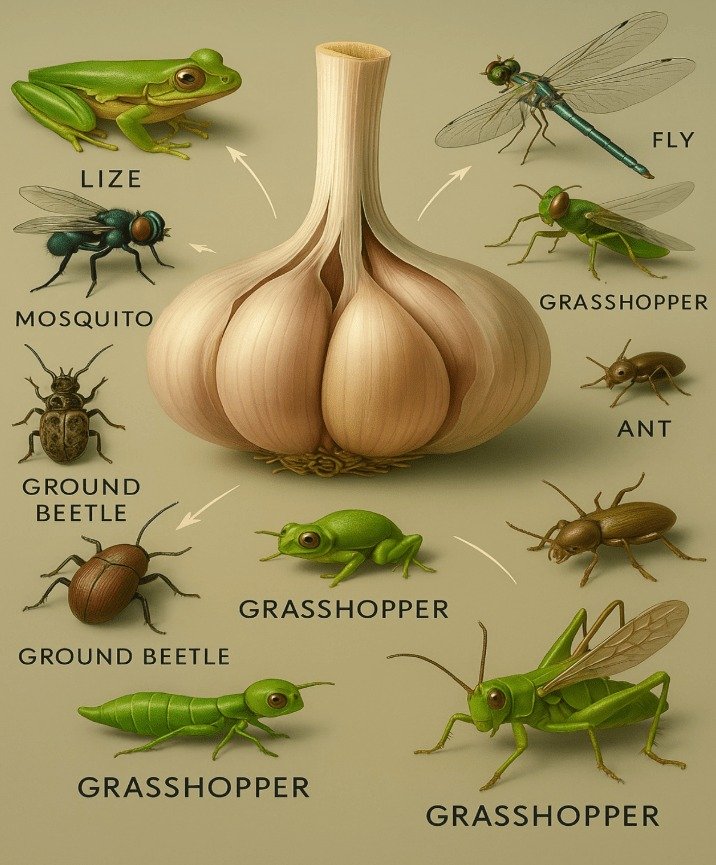
When it comes to managing pests in outdoor environments, a specially prepared garlic-infused oil can establish a durable and highly effective repellent barrier, keeping mosquitoes at bay for extended periods.
Preparation
- Components: 3 large garlic cloves, 1 cup of sunflower oil, 500ml of water, 1 teaspoon of fresh lemon juice
- Procedure:
- Begin by crushing the garlic cloves thoroughly. Place the crushed garlic into the sunflower oil and allow it to infuse for a minimum of 24 hours.
- After the infusion period, add the lemon juice and water to the oil mixture. Strain the entire concoction to remove any garlic solids, then pour the liquid into a suitable spray bottle.
- Apply the solution by spraying it liberally around patio areas, or for a more ambient effect during outdoor gatherings, consider using it in an oil lamp.
- Maintenance: For sustained protection, reapply the infused oil weekly, or immediately following any significant rainfall.
Key Advantages
- Offers a prolonged and effective mosquito repellent solution specifically designed for outdoor spaces.
- Possesses a scent that is generally agreeable to humans while being highly effective at deterring pests.
Success Stories: Demonstrating Garlic’s Effectiveness in Pest Control
Consider the experience of Sarah, a 45-year-old homeowner who faced persistent issues with cockroaches in her kitchen. By consistently applying a homemade garlic paste beneath her sinks, she observed a significant reduction in cockroach activity within just one week, effectively eliminating the need for chemical sprays in a household with children. Similarly, John, an avid gardener, successfully employed a garlic-based spray on his vegetable patch. He reported a noticeable decrease in aphid damage, which helped maintain the health and vitality of his crops. These authentic accounts clearly underscore garlic’s proven efficacy as a reliable, safe, and natural approach to pest management.
Optimizing Garlic’s Pest Control Potential: Essential Practical Tips
To fully harness the powerful pest-repelling capabilities of garlic and ensure maximum effectiveness, adhere to the following practical guidelines:
- Consistent Reapplication: The potency of garlic naturally diminishes over time. Therefore, it is crucial to reapply sprays, pastes, or replace whole cloves every 3-7 days to maintain a continuous deterrent effect.
- Synergistic Combinations: Enhance garlic’s repellent strength by combining it with other natural pest deterrents, such as cayenne pepper or neem oil, for a more robust and comprehensive defense.
- Strategic Application at Entry Points: Concentrate your garlic treatments on key areas where pests are most likely to enter your home, including window frames, door thresholds, and any visible cracks or crevices.
- Judicious Indoor Use: When applying garlic indoors, use it judiciously and in moderation. Excessive use can lead to a strong, pervasive odor that might become unpleasant for residents.
- Pet and Child Safety Precautions: Always ensure that garlic applications are kept strictly out of reach of pets, particularly dogs and cats, as garlic is known to be toxic to these animals. Exercise similar caution around young children.
| Guideline | Rationale for Effectiveness | Practical Application Method |
|---|---|---|
| Regular Refreshing | Sustains the active repellent properties of garlic | Reapply sprays or replace cloves weekly |
| Combining Repellents | Boosts overall deterrent power and efficacy | Integrate cayenne pepper or neem oil into your garlic sprays |
| Focus on Entry Points | Prevents pests from gaining access to your home | Prioritize application around windows, doors, and structural cracks |
Important Considerations: Potential Risks and Necessary Precautions
While garlic is generally considered a safe and natural option for most pest control applications, it is essential to exercise certain precautions. Using highly concentrated garlic preparations, especially pastes or sprays that include chili, may lead to irritation of the skin or eyes. When applying garlic treatments to edible plants, ensure that they are thoroughly washed before consumption, particularly if harvest is imminent. A critical point to remember is that garlic is toxic to many common household pets, including dogs and cats; therefore, all treated areas must be kept strictly inaccessible to them. A study published in the Journal of Veterinary Science in 2022 highlighted garlic’s potential for toxicity in pets when ingested in significant quantities. Furthermore, it is always wise to test any garlic spray on a small, inconspicuous area of a plant first to prevent potential phytotoxicity. If you have known allergies or particularly sensitive skin, it is advisable to consult a healthcare professional before applying garlic paste directly to your skin.
Conclusion
Frequently Asked Questions About Using Garlic for Pest Control
Does garlic actually kill pests, or does it primarily act as a repellent?
Garlic functions primarily as a repellent, discouraging pests from entering or remaining in treated areas. However, with direct and concentrated application, such as in the case of a poultice, it can effectively kill lice and their eggs. It’s best understood as a deterrent rather than a conventional pesticide.
What is the recommended frequency for reapplying garlic treatments?
For liquid sprays, reapplication is generally advised every 3-7 days, or immediately after rainfall. When using whole cloves or garlic powder, these should typically be replaced on a weekly basis to maintain optimal effectiveness.
Can garlic be safely used on all types of plants?
It is always prudent to perform a spot test on a single leaf of any plant before applying garlic spray broadly, as certain plant species may exhibit sensitivity. To safeguard beneficial pollinators, refrain from spraying garlic solutions directly onto flowers.
What are the best sources for obtaining garlic for pest control purposes?
You can readily acquire fresh garlic from any grocery store, cultivate your own garlic at home, or purchase organic garlic powder from health food stores or online retailers.
Please note: The information provided in this article is intended solely for general informational purposes and should not be considered a substitute for professional pest control services or medical advice. For severe infestations or specific skin applications, always consult with qualified experts.