 By admin
 Waking up to a scattering of itchy, red welts on your skin is an unwelcome discovery for anyone. These tiny, nocturnal invaders, known as bedbugs, can quickly transform your peaceful sleep into a source of constant anxiety. Data from the CDC indicates a significant rise in bedbug infestations, with a 50% increase in urban areas over the last decade, highlighting their growing prevalence as a domestic nuisance. These elusive insects are exceptionally skilled at remaining hidden and multiplying rapidly, but by gaining a thorough understanding of their life cycle and implementing a straightforward, effective approach, you can successfully reclaim your living space. This comprehensive guide will explore the habits of bedbugs, their preferred hiding spots, and a practical, natural method for their complete eradication. Equipped with actionable steps and proven techniques, you will learn how to eliminate these persistent pests and prevent their return, ensuring tranquil, uninterrupted nights once more. Let’s begin this journey to a bedbug-free home!
Understanding the Bedbug Life Cycle
Bedbugs, scientifically known as Cimex lectularius, are parasitic insects that sustain themselves exclusively on blood meals, primarily targeting humans during their sleep. Their existence unfolds through three distinct stages: egg, nymph, and adult. A comprehensive understanding of each of these developmental phases is absolutely essential for executing an effective eradication strategy, as each stage presents unique vulnerabilities that require specific treatment.
- Egg Stage: A single female bedbug can deposit between 200 and 450 minuscule, white, pinhead-sized eggs throughout her lifespan, often laying them in clusters ranging from 10 to 50. These eggs possess a sticky coating, allowing them to firmly adhere to various surfaces such as mattress seams, the tiny fissures in furniture, or along baseboards. Under optimal conditions (typically between 70-80°F), these eggs will hatch within 6 to 10 days.
- Nymph Stage: Upon hatching, bedbug nymphs emerge as yellowish-white, miniature versions of the adults. To progress through their five distinct nymphal stages before reaching full adulthood, each nymph requires a blood meal. Each stage typically spans about a week, meaning the entire maturation process from nymph to adult takes approximately 1 to 2 months. Nymphs are considerably more challenging to detect than adults but are a critical target for treatment, as they constitute the majority of an active infestation.
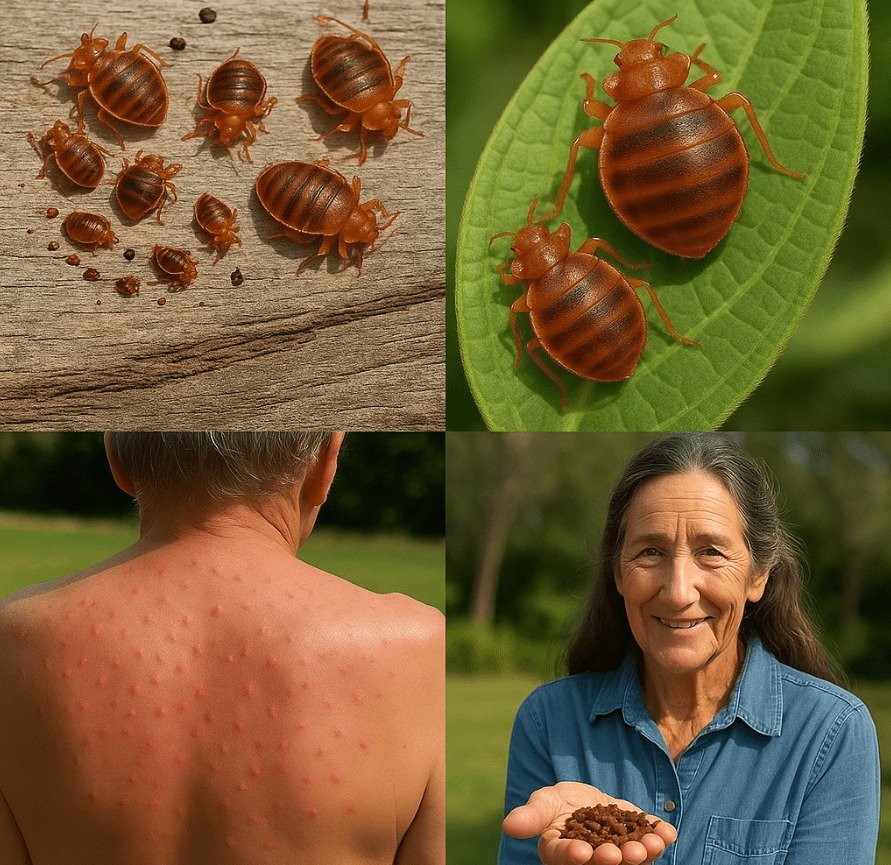
- Adult Stage: Mature bedbugs are characterized by their reddish-brown color and flat, apple seed-like size. They can live for 6 to 12 months, and in some cases, even up to a year without feeding. These adults typically feed every 5 to 10 days, usually under the cover of night, employing a numbing saliva that allows them to bite unnoticed. Following a blood meal, female bedbugs will continuously lay eggs, thereby perpetuating the life cycle.
The astonishing speed of this reproductive cycle means that even a small number of bedbugs can rapidly escalate into a severe infestation within mere weeks if not promptly and effectively addressed.
Where Bedbugs Conceal Themselves in Your Home
Bedbugs are notorious for their ability to hitchhike, frequently entering homes concealed within luggage, pre-owned furniture, or even on clothing. They preferentially inhabit areas with consistent human activity, seeking refuge in a variety of discreet locations:
- The seams of mattresses, within box springs, and along bed frames
- Upholstered furniture, folded curtains, and the edges of carpets
- Tiny cracks in walls, behind baseboards, or underneath peeling wallpaper
- Electrical outlets, the backs of picture frames, or any cluttered spaces
Indications of a bedbug presence include rusty-colored bloodstains on bedding, small dark fecal spots, shed skins (exuviae), or a distinct musty odor. Conducting regular, thorough inspections using a flashlight and a magnifying glass is vital for identifying eggs or nymphs in these preferred hiding spots.
A Straightforward, Natural Approach to Bedbug Eradication
Successfully eliminating bedbugs necessitates a comprehensive, multi-pronged strategy that targets all stages of their life cycle. This simple, natural method leverages readily available household items and non-chemical techniques to achieve effective pest control. Here’s a detailed guide on how to implement it:
What You’ll Need
- Vacuum Cleaner: Essential, preferably with a hose attachment, for physically removing both live bugs and their eggs.
- Steamer: A device capable of reaching temperatures of at least 120°F (49°C) to instantly kill bedbugs and their eggs.
- White Vinegar: Acts as a contact killer and can help disrupt bedbug eggs.
- Baking Soda: Works as a desiccant, dehydrating bedbugs by absorbing moisture from their exoskeletons.
- Essential Oils (Tea Tree or Lavender): Serve as natural repellents due to their strong scents.
- Sealable Plastic Bags: For securely isolating and containing infested items.
- Mattress Encasements: Specifically designed covers that trap bedbugs inside, leading to their starvation over time.
Step-by-Step Method
- Inspect and Confirm: Utilize a powerful flashlight to meticulously examine mattresses, furniture, and all cracks for any signs of live bedbugs, eggs, or their characteristic fecal spots. It’s crucial to confirm that you are dealing with bedbugs (distinguishable by their flat, oval shape and reddish-brown color) rather than fleas or carpet beetles. If you are uncertain, consult with a local extension agent or pest control expert.
- Declutter and Isolate: Begin by reducing clutter throughout your home, especially in bedrooms, to minimize potential hiding spots for bedbugs. Pull beds away from walls and ensure that no linens touch the floor. Immediately place any infested items, such as bedding and clothing, into robust, sealed plastic bags to prevent further spread.
- Vacuum Thoroughly: Vacuum all mattresses, bed frames, carpets, and upholstered furniture on a daily basis, paying particular attention to seams, crevices, and corners. After each use, seal the vacuum bag or canister contents in a plastic bag and dispose of it immediately in an outdoor trash bin to avert re-infestation.
- Steam Clean: Employ a steam cleaner that can reach temperatures of 130°F (54°C) or higher on all mattresses, upholstered furniture, and baseboards. Move the steamer slowly, approximately 20 seconds per linear foot, to ensure the heat adequately penetrates cracks and fabrics. Steam effectively kills both adult bedbugs and their eggs instantly without the need for harsh chemicals.
- Create a DIY Spray: In a spray bottle, combine 2 cups of water, 1 cup of white vinegar, 10 drops of tea tree oil, 10 drops of lavender oil, and 1 teaspoon of baking soda. Generously spray this mixture onto all infested areas, including mattress seams, furniture crevices, and baseboards. The vinegar provides an immediate killing action upon contact, baking soda acts as a dehydrator, and the essential oils serve as natural repellents. Reapply this solution every 2-3 days for sustained effect.
- Wash and Heat-Treat: Launder all bedding, clothing, and other washable fabrics in hot water (at least 140°F or 60°C) and then tumble dry them on the highest heat setting for a minimum of 30 minutes. For items that cannot be washed, seal them in plastic bags and place them in a hot car (where temperatures can exceed 120°F or 49°C) for at least 24 hours to kill any hidden bugs.
- Utilize Mattress Encasements: Cover your mattresses and box springs with specialized bedbug-proof encasements. These covers are designed to trap any bedbugs already present inside, leading to their eventual starvation over a period of up to a year. Regularly inspect these encasements for any tears or damage.
- Monitor and Repeat: Strategically place interceptor traps, which are plastic containers often coated with talcum powder, under the legs of your bed to catch any lingering bedbugs. Conduct weekly inspections for any new signs of activity. Continue the routine of vacuuming, steaming, and spraying for a period of 2-3 months to ensure that all newly hatched eggs are eliminated and the infestation is completely eradicated.
Example in Action
Maria, a 34-year-old educator, discovered suspicious bites on her skin shortly after returning from a hotel stay. She diligently began vacuuming her bedroom daily, thoroughly steamed her mattress, and applied the homemade spray mixture to all seams and crevices. Additionally, she encased her mattress and ensured all her bedding was washed in hot water. Within just two weeks, the bites ceased, and after a month of consistent application of these methods, no further signs of bedbugs were detected.
Supplemental Strategies for Lasting Control
To further enhance the effectiveness of this method and actively prevent any future reinfestations:
- Seal Cracks: Apply silicone caulk to seal any cracks in walls, along baseboards, and around electrical outlets. This significantly reduces potential hiding spots for bedbugs.
- Minimize Clutter: Maintain a tidy and organized bedroom environment to deny bedbugs numerous places to hide and breed.
- Travel Wisely: When staying in hotels, always inspect the bed and surrounding areas thoroughly before settling in, and keep your luggage elevated off the floor. Upon returning home, immediately wash all travel clothes in hot water.
- Consider Diatomaceous Earth (Optional): For an additional layer of protection, you may sprinkle EPA-registered, pesticide-grade diatomaceous earth into cracks and around bed frames. This natural powder works by dehydrating bugs over a period of 1-2 weeks. Always wear a mask during application and ensure you are using a pesticide-grade product, as food-grade versions can pose inhalation risks.
| Method | Benefit | Best For |
|---|---|---|
| Vacuuming | Removes bugs and eggs | Daily maintenance |
| Steaming | Kills instantly with heat | Mattresses, furniture |
| DIY Spray | Kills and repels naturally | Seams, crevices |
| Heat Washing | Eliminates bugs in fabrics | Bedding, clothing |
| Mattress Encasements | Traps and starves bugs | Long-term control |
Common Misconceptions About Bedbug Eradication
- Myth: Bedbugs exclusively infest unkempt or dirty homes.
Truth: Bedbugs are opportunistic pests that can thrive in any environment, whether clean or cluttered, as long as there is a human host available for blood meals. - Myth: Using insecticide sprays alone is sufficient to eliminate an infestation.
Truth: While sprays can kill some adult bedbugs, they often fail to reach hidden eggs and deeply concealed insects. A successful strategy requires a combination of methods, including heat treatments and thorough vacuuming. - Myth: Bedbugs will quickly perish if deprived of food.
Truth: These resilient pests can survive for an astonishingly long time, up to a year, without a blood meal. This prolonged survival capability mandates a persistent and comprehensive treatment approach to ensure complete eradication.
Conclusion
Can this method yield overnight results?
While the DIY spray and steaming techniques can effectively kill bedbugs on contact, leading to a noticeable reduction in bites within hours, complete eradication of an infestation typically requires several weeks due to the continuous hatching of bedbug eggs.
Is this method safe for households with pets and children?
Yes, the components used in this method—such as vinegar, baking soda, and essential oils—are generally considered non-toxic when applied as directed. However, it is always advisable to keep pets and young children away from the immediate area during the steaming and spraying processes to ensure their safety.
What is the typical timeframe for eliminating bedbugs?
With diligent and consistent effort, involving daily vacuuming, weekly steaming, and regular spraying, most bedbug infestations can be effectively cleared within 2 to 3 months. The exact duration can vary depending on the initial severity of the infestation.
What steps should be taken if the infestation persists?
If, after a month of consistent application of these methods, you continue to observe signs of bedbug activity, it would be prudent to consider engaging a professional exterminator. They can offer more advanced treatments, such as specialized heat applications or targeted insecticides, to resolve persistent infestations.
Please note: This content is provided solely for informational purposes and should not be considered a substitute for professional pest control advice. For severe or intractable infestations, always consult with a licensed and experienced expert.