 By admin
 Diabetes stands as one of the most rapidly escalating health challenges worldwide. The World Health Organization reports that over 422 million individuals globally are living with diabetes, yet a significant number remain undiagnosed. This widespread lack of diagnosis often stems from the disease’s insidious progression. By the time characteristic symptoms like excessive thirst or frequent urination become apparent, the condition may have already reached an advanced stage. However, there are subtle, easily missed indicators that could signal the presence of diabetes much earlier. Recognizing these preliminary signs can empower you or your loved ones to take proactive steps before serious complications arise. This article will reveal 11 surprising signs of diabetes that frequently go unnoticed by the general public, along with guidance on what actions to take if you identify them.
1. Wounds That Heal Slowly and Recurring Infections
If you observe that minor cuts or bruises are taking an unusually long time to mend, this could serve as an early indicator. Elevated blood sugar levels can damage blood vessels and nerves, leading to diminished circulation. This impairment makes it more challenging for the body to repair itself effectively. Additionally, frequent occurrences of skin infections, gum disease, or even urinary tract infections are commonly associated with undiagnosed diabetes. For instance, a 52-year-old office worker experienced persistent gum inflammation that did not respond well to standard dental treatments; subsequent testing revealed she had type 2 diabetes.
Tip: Should your wounds or infections appear resistant to healing, it’s advisable to consult your physician about having your blood sugar levels checked.
2. Unexplained Weight Loss
While excess weight is a widely recognized risk factor for diabetes, a sudden and significant drop in weight without any changes to diet or exercise routines might also point to diabetes, particularly type 1. When the body is unable to utilize glucose for energy, it begins to break down its own muscle and fat reserves. This process results in rapid weight loss and a feeling of weakness. Consider someone unexpectedly losing 10 pounds in a single month—this could be a critical signal from the body.
Case Study: A 35-year-old teacher shed nearly 15 pounds over six weeks, initially attributing it to stress. A subsequent routine medical examination uncovered dangerously high blood sugar levels.
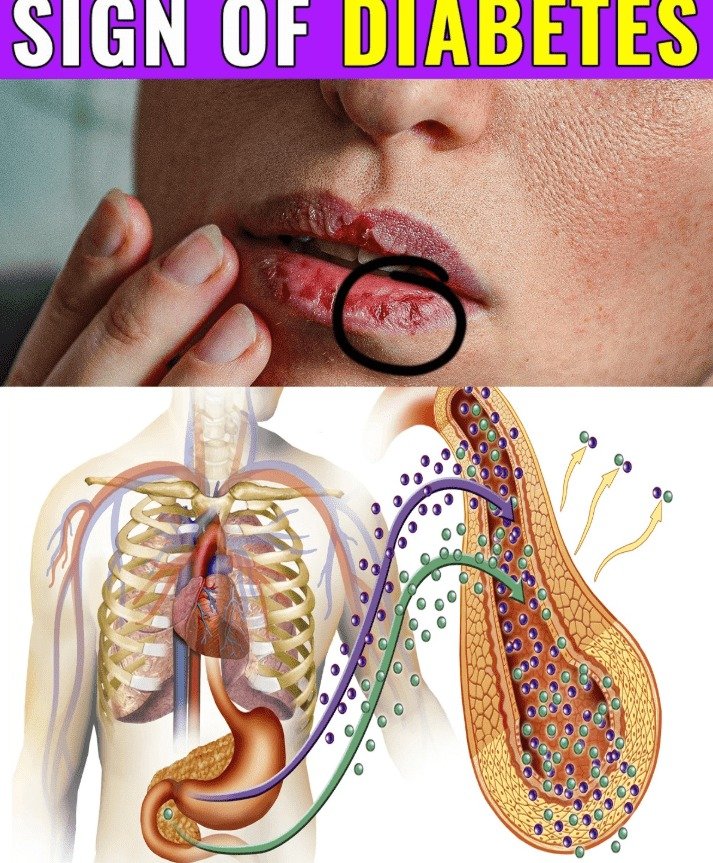
3. Persistent Exhaustion and Low Energy Levels
Everyone experiences tiredness occasionally, but if fatigue persists even after adequate rest, diabetes could be an underlying cause. When glucose remains trapped in the bloodstream instead of being delivered to fuel cells, the body operates on an empty tank. This can make even routine daily activities feel utterly draining. Many individuals mistakenly attribute this chronic weariness to the natural aging process, but it could signify a more serious health issue.
Tip: If daily fatigue significantly impacts your work, hobbies, or social life, consider requesting a blood sugar screening from your doctor.
4. Blurry or Fluctuating Vision
Elevated blood sugar can cause the lens of the eye to swell, thereby altering its ability to focus. Your vision might become suddenly blurred, then clear up, only to blur again. While many people attribute such visual changes to aging or eye strain, diabetes can often be the hidden culprit. Over an extended period, uncontrolled diabetes can progress to diabetic retinopathy, a leading cause of vision loss and blindness.
Example: A retired individual observed that their reading glasses were effective one week but seemed entirely useless the next. Subsequent medical tests confirmed a diagnosis of type 2 diabetes.
5. Tingling, Numbness, or Burning Sensations in Hands and Feet
Diabetic neuropathy, which is nerve damage resulting from persistently high blood sugar, frequently begins with subtle sensations of tingling or numbness. These symptoms can gradually worsen into a burning pain, often more pronounced at night. Many individuals tend to dismiss these feelings as merely