 By admin
 Each year, approximately 800,000 individuals in the United States experience a stroke, with women tragically accounting for around 60% of all stroke-related fatalities. Although strokes affect both genders, women frequently encounter distinct risk factors, including hormonal fluctuations, pregnancy, menopause, and a generally longer lifespan. A significant concern is that numerous women mistakenly attribute initial symptoms to common issues like exhaustion, stress, or migraines. Swift identification of these crucial warning signs can be pivotal in determining whether someone achieves a full recovery or faces a permanent disability. This article details the seven essential stroke warning signs specifically observed in women and outlines the immediate steps to take upon their recognition.
Why Women Are at Higher Risk
Women are exposed to a range of stroke risk factors that are not commonly present in men:
- Hormonal shifts resulting from pregnancy, oral contraceptives, or hormone replacement therapy.
- Complications tied to pregnancy, such as preeclampsia or gestational diabetes.
- A greater life expectancy, which naturally extends the period of potential stroke exposure.
- Autoimmune conditions, like lupus, which are more prevalent in women and significantly heighten stroke risk.
Recognizing these distinct vulnerabilities underscores the vital importance for women—and their support networks—to remain vigilant for even faint indicators.
1. Sudden Numbness or Weakness
A hallmark indicator of a stroke involves sudden weakness, a tingling sensation, or numbness affecting the face, an arm, or a leg, particularly if it impacts just one side of the body. Additionally, women might observe a general weakness in both their limbs or struggle with the ability to firmly grip items.
2. Trouble Speaking or Understanding
Signs of a stroke can include indistinct speech, struggling to recall specific words, or an abrupt inability to comprehend what others are communicating. Some women have characterized this experience as their “tongue feeling unresponsive.”
3. Vision Changes
An abrupt onset of blurred vision, seeing double, or a complete loss of sight in one or both eyes could be a symptom. Women frequently misinterpret these visual disturbances as mere eye strain or tiredness, yet they can be critical indicators of diminished blood flow to the brain.
4. Severe Headache
A sudden, intensely sharp headache—frequently characterized as the “most excruciating headache ever experienced”—can serve as a significant stroke warning, particularly when it occurs alongside symptoms like nausea, lightheadedness, or mental confusion.
5. Dizziness or Loss of Balance
Individuals might experience stumbling, a sensation of faintness, or a sudden loss of coordination. While some women might mistakenly attribute these symptoms to dehydration or vertigo, their appearance, especially in conjunction with other warning signs, demands immediate attention.
6. Sudden Confusion or Memory Problems
Women might abruptly find themselves disoriented, struggle to keep up with conversations, or forget previously well-known information. Such shifts in cognitive function, even if fleeting, represent a critical warning sign.
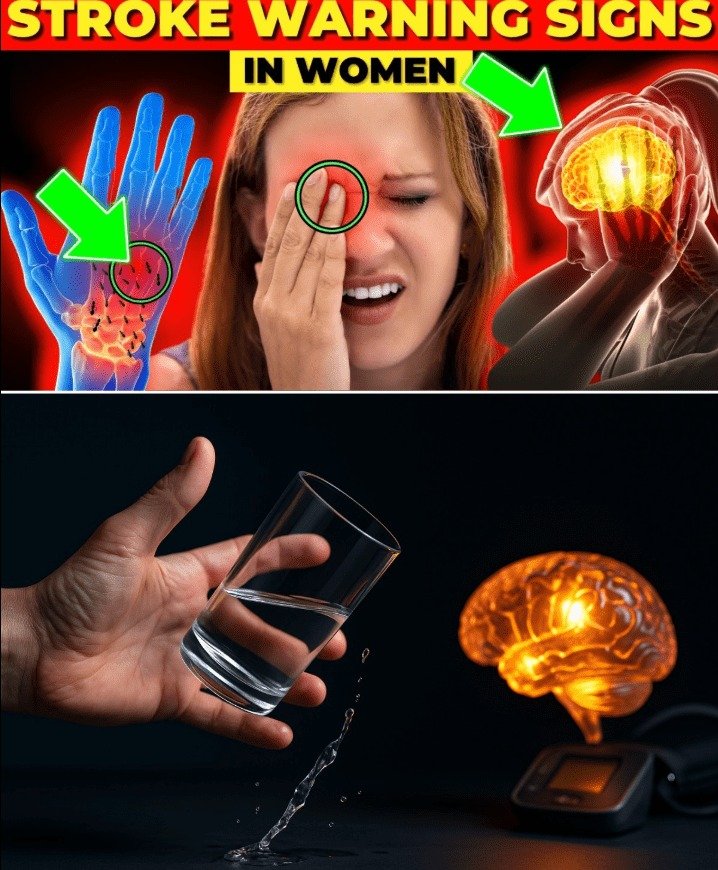
7. Fatigue or Loss of Consciousness
In some instances, a stroke can manifest as an overwhelming, sudden sense of exhaustion, a fainting spell, or a complete loss of consciousness. Given that women frequently manage numerous responsibilities, they might incorrectly dismiss these signs as simply being “excessively tired,” yet these symptoms can pose a grave danger to life.
Here’s a quick reference table:
| Symptom | What to Watch For |
|---|---|
| Numbness/Weakness | Tingling or loss of strength, one side |
| Speech Trouble | Slurring, difficulty finding words |
| Vision Changes | Blurred, double, or sudden vision loss |
| Severe Headache | Sharp pain, unlike normal headaches |
| Dizziness/Balance Issues | Stumbling, loss of coordination |
| Confusion/Memory Problems | Forgetfulness, disorientation |
| Fatigue/Fainting | Sudden exhaustion or loss of consciousness |
When to Act: The FAST Method
Medical professionals advise employing the FAST method for rapid stroke detection:
- Face: Request the individual to smile. Does one side of their face visibly droop?
- Arms: Instruct them to lift both arms. Does one arm slowly fall or drift downwards?
- Speech: Ask them to articulate a straightforward sentence. Is their speech unclear or unusual?
- Time: Should you observe any of these indicators, contact emergency services without delay.
Real-Life Example
Take the case of Laura, a 48-year-old mother with two children. One particular afternoon, she abruptly experienced dizziness, her speech became indistinct, and her right arm felt noticeably weak. She initially attributed these symptoms to stress, but her daughter firmly urged her to dial 911. Upon arrival at the hospital, medical staff confirmed she had suffered a stroke. Thanks to the prompt treatment she received, Laura was able to achieve a nearly complete recovery. Her experience powerfully illustrates how identifying initial warning signs—and responding without hesitation—can be crucial for saving lives.
How Women Can Lower Their Risk
- Regularly monitor blood pressure. Elevated blood pressure stands as the primary risk factor for stroke.
- Remain physically active and maintain a healthy body weight. Engaging in even daily walking can significantly diminish risk.
- Cease smoking and moderate alcohol consumption.
- Effectively manage existing chronic conditions, including diabetes, high cholesterol, or autoimmune disorders.
- Consult with your physician regarding the risks of hormone therapy if you are currently using birth control or hormone replacement therapy (HRT).
Key Takeaways
- Stroke symptoms in women might manifest suddenly and subtly, yet they are invariably serious.
- Women’s distinct hormonal and lifestyle elements contribute to an increased risk.
- Swift action, guided by the FAST method, can avert long-term disability and preserve lives.
Conclusion: What You Should Remember
Do women experience different stroke symptoms than men?
Yes. Although both genders exhibit common indicators such as weakness and difficulties with speech, women may also encounter significant fatigue, fainting spells, and episodes of confusion.
Can younger women have strokes?
Absolutely. Factors like pregnancy, the use of birth control pills, and various autoimmune diseases are capable of precipitating strokes even in women under the age of 50.
What action should I take if symptoms disappear rapidly?
Never disregard such occurrences. Fleeting symptoms might be indicative of a transient ischemic attack (TIA), which serves as a critical precursor and strong warning sign for a potential future stroke.
Final Note
This content is provided solely for general informational purposes and must not be considered a substitute for expert medical advice. If you or someone you are with displays any symptoms suggestive of a stroke, immediately contact emergency services. Prompt intervention can be a life-saving measure.