 By admin
 Have you been noticing your nails splitting, peeling, or breaking more easily than they used to? You’re certainly not alone in this experience. Research indicates that up to 20% of adults will encounter brittle nails at some point during their lives. While it’s common for many individuals to dismiss this as a mere cosmetic concern, perhaps attributed to nail polish use or frequent handwashing, brittle nails can occasionally serve as a subtle indicator from your body, pointing towards an underlying health issue that requires attention.
Our nails play a more significant role than simply being an aesthetic feature. Composed of keratin, the same protein found in our hair and skin, they undergo continuous growth and can offer valuable insights into our overall health and nutritional status. When nails begin to appear weak, thin, or develop ridges, it could be a signal from your body indicating a need for care—whether that involves adjustments to your diet, improved hydration, or even addressing more profound medical conditions.
Within this article, we will delve into the various potential causes of brittle nails, explore what these changes might be revealing about your body’s internal state, and provide actionable steps you can take to naturally restore strength and a healthy shine to your nails.
Common Causes of Brittle Nails
It’s important to recognize that not every instance of brittle nails signifies an illness. In numerous situations, everyday lifestyle choices and environmental factors are significant contributors.
- Frequent Water Exposure: Regularly washing hands, doing dishes, or spending time swimming can strip the natural protective oils from your nails, leading to weakness.
- Harsh Chemical Contact: Substances such as nail polish removers, strong detergents, or household cleaning solutions have the potential to dry out and weaken nail integrity.
- Cold, Dry Climates: Environments with low humidity levels can cause both your skin and nails to become dehydrated and more susceptible to damage.
- The Natural Aging Process: As individuals age, nail growth naturally slows down, and nails may also experience a reduction in moisture content, making them more fragile.
While these common daily factors are frequently responsible, brittle nails can also serve as a direct insight into your internal health.
What Brittle Nails May Reveal About Your Health
1. Nutrient Deficiencies
- Iron Deficiency (Anemia): This is frequently associated with nails that tend to split easily or develop a distinctive spoon-shaped curvature (koilonychia).
- Biotin Deficiency: Insufficient levels of biotin can manifest as thin, weakened nails that are prone to peeling.
- Inadequate Zinc or Protein Intake: Both of these nutrients are absolutely vital for the proper production of keratin, which forms the structure of your nails.
2. Thyroid Disorders
- Conditions such as hypothyroidism (underactive thyroid) or hyperthyroidism (overactive thyroid) can significantly disrupt nail growth patterns, resulting in nails that are brittle or exhibit noticeable ridges.
3. Dehydration and Poor Circulation
- A persistent lack of adequate hydration throughout the body directly impacts the overall strength and resilience of your nails.
- Compromised blood circulation can restrict the essential nutrients from reaching the nail bed, hindering healthy nail development.
4. Skin Conditions
- Chronic skin conditions like psoriasis and eczema can extend their effects to the nails, potentially causing pitting, peeling, or increased brittleness.
5. Fungal Infections
- Nails that appear yellowed, become unusually thick, or develop a crumbly texture could be indicative of an underlying fungal overgrowth.
| Nail Change | Possible Indication |
|---|---|
| Thin, peeling nails | Nutrient deficiency or dehydration |
| Spoon-shaped nails | Iron-deficiency anemia |
| Horizontal ridges | Past illness, thyroid disorder |
| Yellow, thickened nails | Fungal infection |
| Pitted or uneven nails | Psoriasis, eczema |
Everyday Habits to Strengthen Nails
Even when brittle nails aren’t symptomatic of a severe medical condition, incorporating simple adjustments into your daily routine can lead to remarkable improvements.
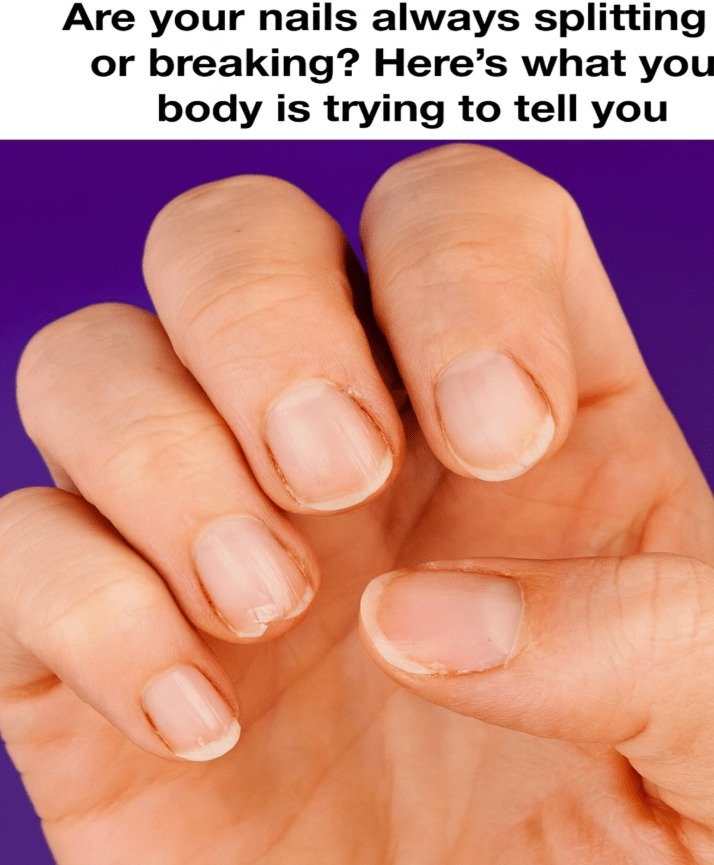
- Moisturize Consistently: Make it a habit to apply a good quality hand cream or natural oils (such as nourishing coconut oil) to both your nails and cuticles regularly.
- Protect Your Hands: Always wear protective gloves when you are washing dishes, cleaning with household products, or engaging in tasks that involve prolonged water exposure.
- Maintain Optimal Hydration: Strive to drink approximately 6–8 glasses of water daily to ensure your body, including your nails, stays adequately hydrated.
- Adopt a Balanced Diet: Incorporate foods rich in iron (like spinach, beans, and lean meats), biotin (found in eggs and nuts), and zinc (such as pumpkin seeds and seafood) to support overall nail health.
- Practice Gentle Grooming: Trim your nails routinely, resist the urge to bite them, and minimize the use of harsh nail treatments or artificial nail applications.
When to See a Doctor
If your nails remain stubbornly brittle despite consistent efforts at proper care, it would be prudent to arrange a consultation with a healthcare professional. This is especially important if your brittle nails are accompanied by any of the following symptoms:
- Unexplained fatigue or general weakness (which could indicate possible anemia)
- Noticeable weight fluctuations, significant hair loss, or increased sensitivity to temperature changes (potentially signaling a thyroid issue)
- Persistent nail discoloration or progressive thickening of the nail plate (which might suggest a fungal infection)
Receiving an early diagnosis is crucial, as it ensures you get the correct treatment and helps prevent minor issues from escalating into more significant health concerns.
Conclusion and FAQs
Key Takeaways
- Brittle nails are frequently caused by external environmental factors, but they can also serve as indicators of deeper, underlying health conditions.
- Optimal nutrition, consistent hydration, and gentle care practices are fundamental for maintaining strong, healthy nails.
- Any persistent or unusual changes in your nails warrant an evaluation by a qualified healthcare professional.
FAQs
Can brittle nails be effectively treated with supplements?
While supplements like biotin or iron might be beneficial if you have a confirmed deficiency, they are unlikely to be effective if your diet is already providing adequate nutrients. It’s always best to seek a doctor’s advice before beginning any supplement regimen.
Do brittle nails always signify a health problem?
No, not necessarily. In many instances, brittle nails result from environmental exposure or are a natural part of the aging process. However, as discussed, they can sometimes reveal underlying medical issues.
Which foods are most beneficial for promoting stronger nails?
Foods such as eggs, various nuts, spinach, beans, lean meats, and pumpkin seeds are excellent choices as they support keratin production and contribute to overall nail vitality.
Disclaimer: This article is intended solely for educational purposes and should not be considered a substitute for professional medical advice. Always consult with a healthcare provider for personalized guidance regarding your health concerns.