 By admin
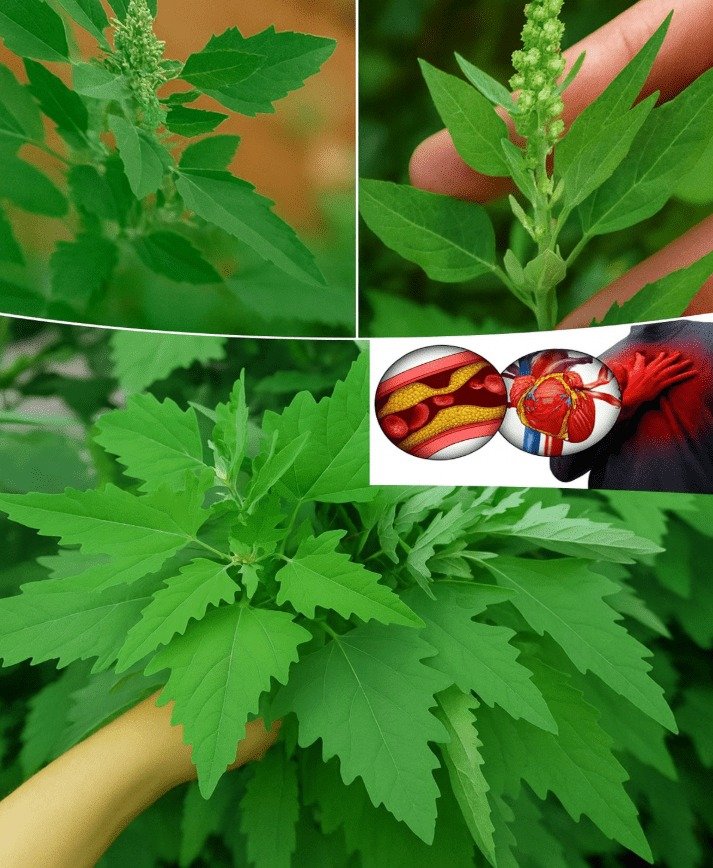
 While popular leafy greens like spinach and kale are frequently celebrated for their heart-healthy properties, a less recognized but equally powerful green has been a dietary staple for generations: lamb’s quarters. Also known as wild spinach or Chenopodium album, this unassuming wild herb is often overlooked as a mere “weed.” Yet, it is brimming with essential nutrients that can significantly contribute to heart health, support balanced cholesterol levels, and boost overall vitality.
Join us as we delve into the remarkable qualities of lamb’s quarters, uncover its potential advantages for cardiovascular well-being, and discover simple methods to incorporate this nutritious plant into your daily meals.
What Exactly Is Lamb’s Quarters?
Lamb’s quarters is a versatile leafy green that thrives in diverse environments, commonly found flourishing in gardens, open fields, and along roadsides. Throughout history, it played a vital role in the traditional diets of various cultures across Asia, Europe, and North America. Although it’s frequently labeled as a weed in contemporary society, lamb’s quarters boasts an exceptionally dense nutritional profile, often matching or even exceeding the nutrient content of many commercially grown greens.
- Alternative Names: Frequently referred to as wild spinach, goosefoot, or pigweed.
- Taste Description: Offers a subtle, earthy flavor, quite similar to that of spinach.
- Nutritional Composition: An excellent source of essential vitamins A, C, and K, along with folate, calcium, magnesium, and ample dietary fiber.
Significant Heart and Cholesterol Advantages
1. Abundant in Potent Antioxidants
This remarkable plant is a powerhouse of flavonoids, carotenoids, and vitamin C, all of which play a crucial role in neutralizing harmful free radicals. These powerful antioxidants effectively diminish oxidative stress, a key factor often implicated in the development and progression of heart disease.
2. Aids in Maintaining Healthy Cholesterol Levels
Thanks to its substantial fiber content, lamb’s quarters actively works to bind with surplus cholesterol within the digestive system, thereby significantly reducing its absorption into the bloodstream. Consistent consumption can progressively contribute to lowering undesirable LDL (“bad”) cholesterol while simultaneously assisting in the maintenance of beneficial HDL (“good”) cholesterol.
3. Supports Optimal Blood Pressure
With its rich concentration of essential magnesium and potassium, lamb’s quarters can contribute to the healthy regulation of blood pressure. These minerals work synergistically to promote the relaxation of blood vessels and help in achieving a balanced sodium level within the body.
4. Enhances Robust Circulation
The presence of vitamin K is vital for ensuring proper blood clotting and maintaining robust vascular health. Furthermore, its folate content is instrumental in lowering homocysteine levels—an amino acid that, when present in elevated concentrations, has been associated with an increased risk of heart-related issues.
| Nutrient | Amount (per 1 cup cooked) | Heart Benefit |
|---|---|---|
| Vitamin A | ~10,000 IU | Supports artery lining health |
| Vitamin C | ~60 mg | Antioxidant, protects vessels |
| Fiber | ~4 g | Helps lower LDL cholesterol |
| Magnesium | ~100 mg | Regulates blood pressure |
| Potassium | ~300 mg | Balances sodium, supports heart rhythm |
Incorporating Lamb’s Quarters into Your Meals
- Versatile Spinach Alternative: Easily substitute lamb’s quarters for spinach in a wide array of dishes, including hearty soups, comforting stews, savory omelets, or quick stir-fries.
- Nutrient-Packed Smoothies: For an effortless nutritional upgrade, blend fresh, tender lamb’s quarters leaves with your favorite fruits to create invigorating smoothies.
- Simple Steamed or Sautéed Sides: Its naturally mild flavor profile makes it an ideal candidate for steaming or sautéing. It pairs wonderfully with a touch of garlic and a drizzle of olive oil.
- Soothing Herbal Tea: The leaves can be dried and steeped to prepare a gentle, healthful herbal tea, offering a subtle and refreshing beverage.
Important Consideration: Similar to spinach, lamb’s quarters naturally contains oxalates, compounds that can potentially hinder the absorption of calcium. However, preparing the plant through cooking significantly diminishes oxalate levels, thereby enhancing the bioavailability of its beneficial nutrients.
Essential Safety Guidelines and Precautions
- Always ensure a thorough washing of lamb’s quarters prior to consumption to eliminate any residual dirt, soil, or potential pesticide residues.
- Individuals with a history of kidney stones or those susceptible to oxalate-related concerns should exercise caution and limit their intake of raw lamb’s quarters.
- Pregnant women are strongly advised to consult with their healthcare provider before consuming large quantities of this herb, particularly due to its elevated levels of vitamin K and folate.
Comprehensive Lifestyle Advice for Enhanced Heart Health
While incorporating lamb’s quarters into your diet is a beneficial choice, integrating it with a holistic approach to healthy living will amplify its positive effects:
- Commit to regular physical activity, aiming for at least 150 minutes of moderate-intensity exercise each week.
- Adopt a well-rounded and balanced diet, prioritizing an abundance of fresh fruits, vibrant vegetables, and beneficial healthy fats.
- Minimize your consumption of excessive sugars and highly processed food items.
- Schedule and attend routine check-ups for monitoring your cholesterol levels and blood pressure.
Commonly Asked Questions About Lamb’s Quarters
Does lamb’s quarters offer superior nutritional benefits compared to spinach?
While both greens are exceptionally nutritious, lamb’s quarters frequently boasts a greater concentration of vital nutrients such as vitamin A, calcium, and iron.
Is it safe to consume lamb’s quarters in its raw form?
Yes, it can be eaten raw; however, cooking the plant helps to reduce its oxalate content and can often improve digestibility for some individuals.
Can individuals with high cholesterol safely incorporate lamb’s quarters into their diet?
Absolutely. Its rich fiber and antioxidant profile can significantly aid in cholesterol management. Nevertheless, it is crucial to remember that it serves as a dietary complement and should never be considered a replacement for prescribed medical treatments.
Where can one typically locate lamb’s quarters?
This plant grows prolifically in the wild across numerous geographical areas. When foraging, always prioritize safe harvesting practices, ensuring you gather it from unpolluted environments. Additionally, it can sometimes be found offered for sale at local farmers’ markets.
Important Disclaimer: The information presented in this article is strictly for educational and informational purposes and should not be interpreted as a substitute for professional medical advice. It is always recommended to consult with your healthcare provider before implementing any significant dietary adjustments, particularly if you are managing existing chronic health conditions.