 By admin
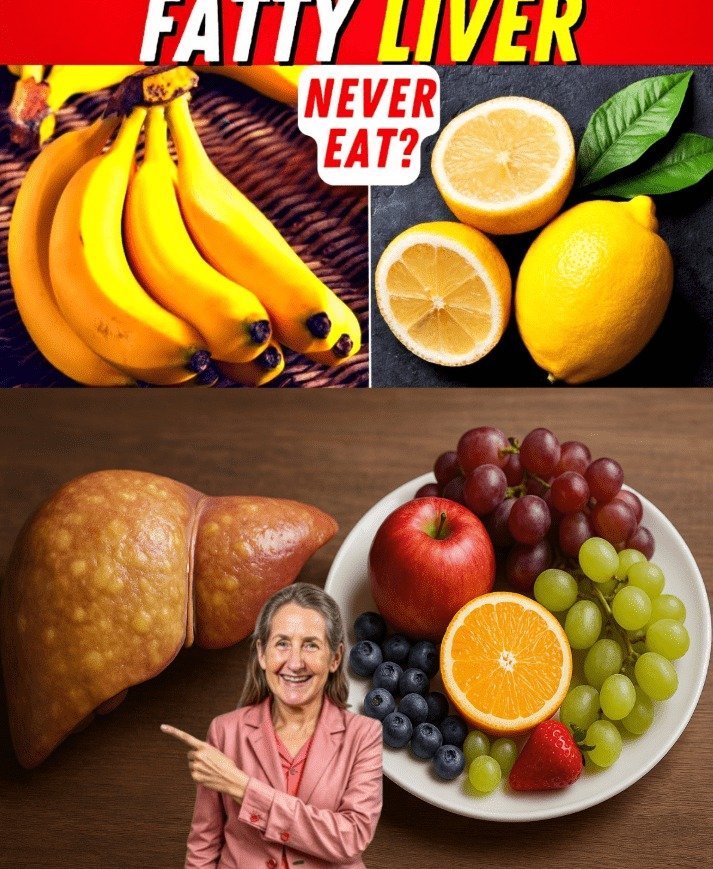
 Fatty liver disease, medically known as hepatic steatosis, is a prevalent condition impacting approximately one in four adults globally. Often, its initial stages present without noticeable symptoms. If left unaddressed, this condition can advance to liver inflammation, scarring (fibrosis), and ultimately, cirrhosis. However, there’s a significant silver lining: your daily dietary choices possess the remarkable ability to either burden your liver further or actively contribute to its recovery. Imagine the possibility of reducing fat accumulation in your liver simply by eliminating specific detrimental foods and integrating beneficial fruits into your meals.
This comprehensive article will delve into the five categories of foods that are strongly advised against for individuals with fatty liver, alongside highlighting the ten fruits that are scientifically recognized and traditionally valued for their liver-supportive properties. By the time you finish reading, you will possess a practical dietary guide to inform your everyday meal planning, empowering you with the knowledge that even minor adjustments to your food intake can yield substantial health benefits.
Simplifying the Concept of Fatty Liver Disease
Your liver functions as both a crucial filtration system and an essential energy reservoir for your body. When an excessive amount of fat builds up within this organ—frequently due to an unhealthy diet, insufficient physical activity, or underlying metabolic disorders—it impairs the liver’s capacity to perform its vital roles effectively. This specific accumulation of fat is what we refer to as hepatic steatosis. While genetic predispositions and other factors certainly play a role, dietary habits remain the most significant and manageable risk factor.
Leading nutrition experts are unanimous in their view that adopting a diet specifically tailored to support liver health represents one of the most effective strategies to halt, prevent, or even reverse the progression of fatty liver disease. Therefore, let’s examine which foods should be excluded and which should be prioritized.
It’s important to recognize that not all calories are processed by the body in the same way. Certain foods directly contribute to the accumulation of fat and inflammatory responses within the liver.
1. Sugary Drinks and Sodas
Beverages high in fructose corn syrup and refined sugars cause rapid spikes in insulin levels, which in turn encourages the liver to store more fat. Individuals who regularly consume soda face an elevated risk of developing non-alcoholic fatty liver disease (NAFLD). A healthier alternative is to hydrate with water, unsweetened herbal tea, or sparkling water infused with fresh lemon.
2. Fried Foods
Items such as French fries, fried chicken, and various deep-fried snacks are typically laden with unhealthy fats that exacerbate fat buildup in the liver. Furthermore, the oils used in deep frying can provoke oxidative stress within liver cells. Consider opting for healthier cooking methods like air-frying or oven-baking instead.
3. Processed Meats
Common processed meats like bacon, sausages, hot dogs, and deli slices frequently contain high levels of saturated fats and chemical preservatives such as nitrates, all of which can place a significant burden on the liver. A better choice would be lean cuts of poultry, fish, or a variety of plant-based protein sources.
4. White Bread and Refined Carbs
Foods crafted from white flour—including pasta, pastries, and many crackers—lead to sharp increases in blood sugar and elevated triglyceride levels. Transitioning to whole grain options like oats, quinoa, or brown rice can help stabilize blood sugar and foster more efficient liver function.
5. Alcohol
Even modest consumption of alcohol can accelerate the accumulation of fat and inflammation within the liver. For individuals who have already received a diagnosis of fatty liver, complete abstinence from alcohol is strongly advised for optimal health outcomes.
Quick Reference Table: Foods to Avoid
| Forbidden Food | Why Harmful for Liver | Healthier Alternative |
|---|---|---|
| Sugary drinks | Increases fat storage | Water, herbal teas |
| Fried foods | Unhealthy fats, oxidative stress | Air-fried or baked |
| Processed meats | Saturated fat, nitrates | Lean poultry, fish |
| White bread/refined carbs | Spikes sugar & triglycerides | Whole grains |
| Alcohol | Accelerates liver damage | Non-alcoholic options |
10 Exceptional Fruits for Managing Hepatic Steatosis
Fruits are invaluable sources of antioxidants, dietary fiber, and essential vitamins, all of which play a crucial role in reducing inflammation and supporting the body’s natural detoxification processes. Here, we highlight 10 fruits particularly renowned for their positive impact on liver health.
1. Apples
Rich in pectin and soluble fiber, apples effectively assist in the removal of toxins and cholesterol from the body, thereby easing the burden on the liver and promoting its efficient function.
2. Grapefruit
This citrus fruit contains naringenin and naringin, powerful compounds that have been shown to offer protection to liver cells and diminish inflammation. Enjoying half a grapefruit at breakfast provides a refreshing and beneficial start to your day.
3. Blueberries
Abundant in anthocyanins, blueberries are believed to help decelerate liver fibrosis and encourage the regeneration of liver tissue. Incorporate them into your morning smoothies or sprinkle them over oatmeal.
4. Avocados
Packed with healthy monounsaturated fats and glutathione, avocados are excellent for bolstering detoxification pathways and mitigating oxidative stress within the liver, contributing to overall liver wellness.
5. Lemons
With their high vitamin C content, lemons stimulate the production of bile and enhance digestion. This indirectly supports the liver by improving its efficiency in metabolizing fats.
6. Papaya
Traditionally utilized for its digestive benefits, the enzymes found in papaya may help to lessen liver inflammation while simultaneously promoting a healthy gut environment.
7. Pears
High in dietary fiber, pears are instrumental in regulating cholesterol levels and preventing the excessive accumulation of fat within the liver, supporting its long-term health.
8. Berries (Strawberries, Raspberries)
These vibrant berries are loaded with potent antioxidants and fiber, which work synergistically to combat oxidative stress and inflammation, two factors that can worsen fatty liver disease.
9. Bananas
As a natural source of potassium, bananas contribute to maintaining fluid balance and support healthy liver function. Due to their natural sugar content, they should be consumed in moderation.
10. Oranges
Oranges deliver a significant dose of vitamin C and beneficial flavonoids, which not only boost the immune system but also assist the liver in its vital detoxification processes.
Quick Reference Table: Liver-Friendly Fruits
| Fruit | Key Benefit for Liver | Easy Ways to Eat |
|---|---|---|
| Apples | Detox + fiber | Raw, sliced, baked |
| Grapefruit | Anti-inflammatory compounds | Fresh juice, half fruit |
| Blueberries | Protects liver cells | Smoothies, yogurt topping |
| Avocados | Healthy fats, glutathione | Toast, salads |
| Lemons | Boosts bile production | Lemon water, dressings |
| Papaya | Reduces inflammation | Fresh cubes, smoothies |
| Pears | Cholesterol regulation | Raw, poached |
| Berries | Antioxidant support | Snack, oatmeal topping |
| Bananas | Potassium balance | Snacks, smoothies |
| Oranges | Detox & immunity | Fresh or juice |
Actionable Strategies for Incorporating This Knowledge
- Begin your dietary transformation by gradually eliminating one forbidden food at a time, rather than attempting a complete dietary overhaul all at once.
- Strive to consume 2–3 servings of liver-friendly fruits daily, making sure to rotate different varieties to benefit from a diverse range of nutrients.
- Utilize fruits as a wholesome substitute for high-sugar desserts or processed snacks; this simple change can dramatically lower your overall sugar intake.
- For the most comprehensive and effective results, combine these dietary modifications with consistent physical activity, adequate hydration, and sufficient quality sleep.
Success Story: Maria’s 3-Month Liver Transformation
Maria, a 52-year-old woman, received a diagnosis of early-stage fatty liver. Instead of feeling overwhelmed, she proactively started by removing sodas from her diet and regularly incorporating apples and grapefruit into her meals. Within a mere three months, her liver enzyme test results showed significant improvement, and she reported a noticeable reduction in fatigue. While individual experiences may vary, Maria’s journey vividly illustrates the profound impact that small, consistent dietary adjustments can have.
Conclusion
Is it truly possible for dietary changes to influence fatty liver disease? Both scientific evidence and numerous real-life accounts strongly affirm that it is. By consciously avoiding detrimental foods such as sugary beverages, fried items, processed meats, refined carbohydrates, and alcohol, you actively shield your liver from additional stress. Concurrently, integrating nutrient-dense fruits like apples, grapefruit, and blueberries provides your liver with essential antioxidants and fiber, crucial elements that support its natural healing and restorative processes.
FAQ
Q: Can fruits completely cure fatty liver?
A: While fruits are a vital component of a well-balanced diet that supports liver recovery, they alone cannot provide a complete cure for fatty liver disease.
Q: How many servings of fruit should I aim for daily?
A: Most health guidelines suggest consuming between 2 and 4 servings of fruit each day, though this can vary based on your individual caloric requirements.
Q: Should I eliminate all fats if I have fatty liver?
A: No, it is not necessary to avoid all fats. Healthy fats sourced from foods like avocados, nuts, and olive oil are beneficial. The fats to avoid are primarily the unhealthy ones found in fried foods and processed meats.
Q: Is fatty liver a reversible condition?
A: In many instances, yes, fatty liver is reversible—particularly when detected early and managed effectively through lifestyle interventions such as dietary modifications, regular exercise, and weight management.
Disclaimer: This article is intended solely for educational purposes and should not be considered a substitute for professional medical advice. Always consult with a qualified healthcare provider before implementing any significant changes to your diet or lifestyle.