 By admin
 Vitamin B12 is frequently referred to as the “energy vitamin,” and for very compelling reasons. It plays an indispensable role in the development of red blood cells, maintains optimal nerve function, and is crucial for DNA synthesis. However, as individuals age, their bodies naturally produce reduced amounts of stomach acid, which significantly hinders the absorption of B12 from dietary sources. This is precisely why a deficiency becomes particularly common after the age of 50, often manifesting as persistent fatigue, mental fogginess, general weakness, or even a noticeable tingling sensation in the hands and feet.
The encouraging news is that while various supplements are readily available, you can also significantly enhance your body’s natural B12 intake through cost-effective, nutrient-dense foods and straightforward homemade techniques. Seniors across numerous cultures have historically depended on accessible, natural sources to sustain their energy levels well into their 70s and beyond. Let’s explore how you can readily adopt these practices right in your own home.
Why Vitamin B12 Becomes Increasingly Important After 50
- Energy Production: Facilitates the conversion of food into essential cellular energy.
- Nervous System Health: Provides crucial protection for myelin, the protective sheath surrounding nerves.
- Red Blood Cell Formation: Helps prevent anemia, a condition known to cause chronic feelings of tiredness.
- Cognitive Support: A deficiency has been strongly associated with a decline in memory function.
Research indicates that nearly 20% of adults over the age of 60 experience a B12 deficiency, positioning it as one of the most frequently overlooked contributors to diminished energy levels among older adults.
Natural Dietary Sources of Vitamin B12
In contrast to many other vitamins, B12 is not naturally present in plants; its primary sources are animal-based foods or products that have been fortified. The key lies in preparing these items in simple, economically efficient ways.
| Food Source | Serving Size | Approx. B12 Content |
|---|---|---|
| Chicken liver (cooked) | 3 oz | 70 mcg (over 1,000% DV) |
| Sardines (canned in water) | 3 oz | 8 mcg (330% DV) |
| Beef (lean, cooked) | 3 oz | 1.5 mcg (60% DV) |
| Eggs (whole, boiled) | 2 large | 1.1 mcg (45% DV) |
| Fortified nutritional yeast | 1 tbsp | 2–4 mcg (100–200% DV) |
Helpful Hint: Consuming these foods alongside probiotics (such as yogurt or kefir) may significantly enhance B12 absorption.
Budget-Friendly, DIY Methods to Enhance B12 Levels
1. Nutritional Yeast “Cheesy” Sprinkle
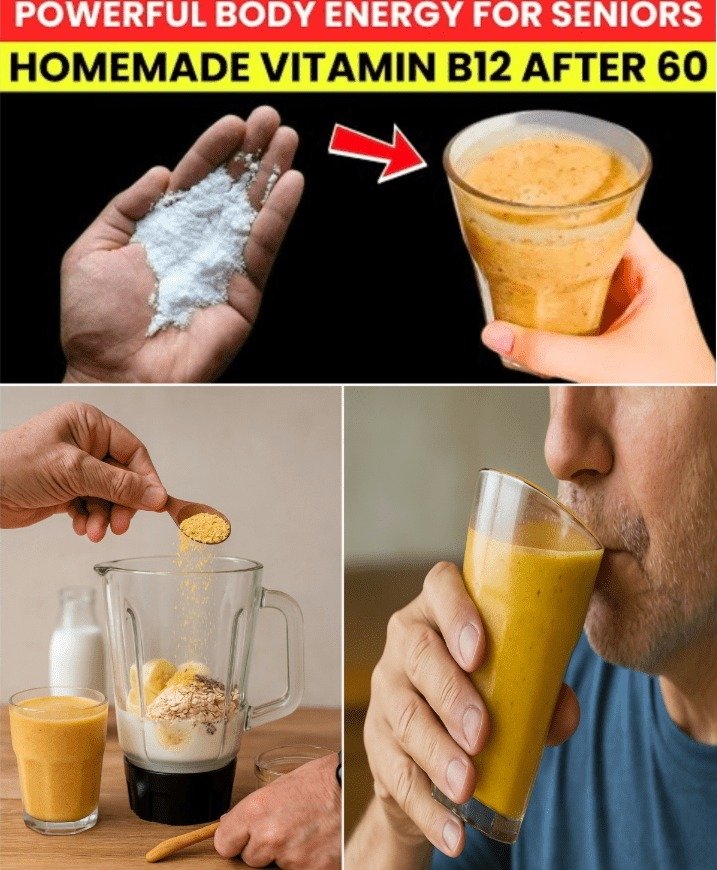
Nutritional yeast stands out as an excellent, fortified B12 source suitable for vegetarians. Its distinct nutty, savory, and cheesy taste makes it an ideal topping for a variety of dishes, including soups, rice, or steamed vegetables.
- Combine 3 tablespoons of nutritional yeast with a dash of garlic powder and a small pinch of salt.
- Store this mixture in a compact jar and use it daily as a flavorful seasoning.
2. Homemade Liver Pâté Spread
While liver might not be a universal favorite, chicken liver is notably one of the most potent natural sources of B12 and is remarkably inexpensive.
- Gently sauté finely chopped liver with diced onion and minced garlic until cooked through.
- Blend the cooked mixture until it achieves a smooth, spreadable consistency.
- Utilize this pâté as a delicious topping for whole-grain toast or crackers.
3. Simple Sardine Salad
Canned sardines are not only economical but also brimming with both B12 and beneficial omega-3 fatty acids.
- Mash the sardines thoroughly with a bit of lemon juice, a drizzle of olive oil, and your preferred herbs.
- Spread this mixture onto bread or incorporate it into salads for a quick, energy-boosting meal.
4. Egg and Probiotic Yogurt Bowl
Eggs naturally contain B12, and combining them with probiotic-rich yogurt can potentially enhance its absorption within the body.
- Boil two eggs to your desired doneness and slice them over a serving of plain yogurt.
- For added fiber and healthy fats, consider sprinkling ground flaxseed or chia seeds on top.
An Everyday Nutritional Framework for Seniors
- Morning Meal: Begin your day with an egg and yogurt bowl, enhanced with a sprinkle of nutritional yeast.
- Midday Meal: Enjoy a sardine salad served on wholesome whole-grain bread.
- Evening Meal: Include a modest portion of a beef or liver-based dish once or twice each week.
- Between Meals: Opt for fortified nutritional yeast sprinkled over popcorn or steamed vegetables as a healthy snack.
This balanced approach ensures meals remain affordable while consistently providing a steady and sufficient supply of vital B12.
Indicators That Suggest You Might Need Additional B12 Support
- Persistent fatigue, even after getting adequate sleep.
- A sensation of tingling or numbness in your hands and feet.
- Frequent memory lapses or challenges with concentration.
- Noticeable pallor in your skin or unexplained shifts in mood.
If these symptoms resonate with your experience, it is highly advisable to consult your healthcare provider. In certain situations, dietary adjustments may need to be complemented by supplements or even injections.
Conclusion
As we advance past the ages of 50, 60, or 70, maintaining robust energy levels and overall vitality necessitates a mindful focus on essential nutrients—with Vitamin B12 being particularly crucial. Fortunately, achieving sufficient B12 intake does not require expensive supplements. Readily available and affordable foods such as liver, sardines, eggs, and nutritional yeast can supply all the B12 your body requires to remain energetic, mentally sharp, and physically active. By thoughtfully integrating these foods into your daily eating habits, you are effectively providing your body with the necessary fuel for enduring vitality and well-being.
FAQ
Is it possible for vegetarians to obtain adequate B12?
Yes, through fortified products such as nutritional yeast, plant-based milks, and breakfast cereals—however, supplements might be necessary if your dietary intake is consistently low.
Do I absolutely need B12 supplements once I turn 60?
Not always. Many seniors successfully meet their B12 requirements through diet alone, but it’s wise to have your levels checked by a doctor to confirm.
Can consuming too much B12 be harmful?
B12 is a water-soluble vitamin, meaning any excess is typically excreted from the body. Nonetheless, it’s always best to adhere to recommended intake guidelines unless specifically advised otherwise by a medical professional.
Disclaimer: This article is intended solely for informational purposes and should not be considered a substitute for professional medical advice. Always consult with your healthcare provider before implementing any significant dietary modifications or beginning any new supplement regimen.