 By admin
 Dental caries, commonly known as tooth decay, stands as one of the most widespread chronic health issues across the globe. The World Health Organization reports that a staggering nearly 2.5 billion individuals worldwide contend with untreated cavities. While contemporary dental practices offer highly effective solutions such as fillings and crowns, there’s an increasing curiosity about how nutritional choices and natural interventions can bolster the body’s innate capacity to remineralize teeth and uphold optimal oral health.
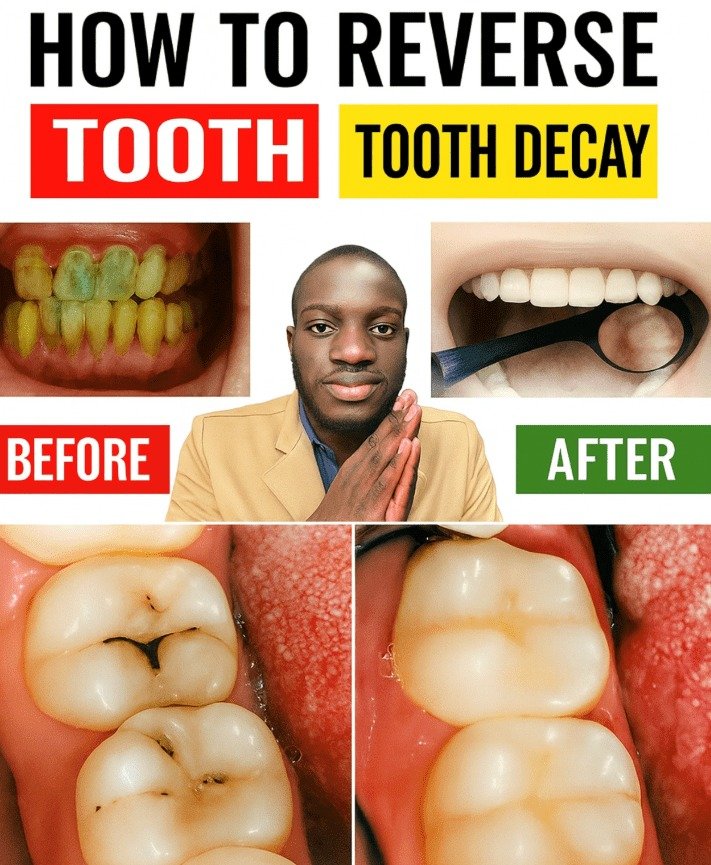
It’s crucial to understand that professional dental intervention becomes indispensable once a cavity has progressed into the deeper structures of a tooth. Nevertheless, during its incipient stages, when the initial loss of minerals has just commenced, the progression of tooth decay can occasionally be decelerated, arrested, or even naturally reversed by fostering an optimal environment conducive to remineralization.
Within this comprehensive guide, we will delve into strategies rooted in both scientific understanding and time-honored traditions, aimed at assisting your body in safeguarding your teeth, fortifying enamel, and revitalizing overall dental well-being.
Unraveling the Process of Tooth Decay
The onset of tooth decay is marked by a process called demineralization. This occurs when acids, generated by bacteria residing in dental plaque, actively dissolve essential minerals—primarily calcium and phosphate—from the protective layer of tooth enamel. This corrosive action compromises the integrity of the teeth, leading to the formation of white spots, which are the earliest indicators of developing cavities.
The natural reversal of decay fundamentally hinges on remineralization. This vital process involves the active replenishment of these lost minerals and the subsequent reinforcement of the enamel structure, ideally before the cavity has the opportunity to advance significantly.
1. Cultivate a Diet that Fortifies Enamel
- Calcium and Phosphorus: These crucial minerals serve as the fundamental building blocks for healthy enamel. Excellent dietary sources include dairy products, dark leafy greens, various nuts, and a wide array of seeds.
- Vitamin D: Essential for the effective absorption of calcium within the body. Exposure to sunlight, consuming fatty fish, and incorporating fortified foods into your diet are superb ways to obtain this vitamin.
- Vitamin K2: Plays a pivotal role in ensuring calcium is properly directed towards bone and tooth mineralization, rather than accumulating in soft tissues. This vitamin can be found in fermented foods, notably natto, and specific types of cheeses.
2. Restrict Intake of Sugars and Processed Carbohydrates
Sugars act as a primary fuel source for detrimental oral bacteria, which in turn generate acids that relentlessly erode tooth enamel. Consequently, minimizing your consumption of sugary treats and beverages represents one of the most potent strategies available for safeguarding your teeth.
3. Incorporate Remineralizing Foods & Beneficial Herbs
- Green Tea: Rich in catechins, green tea is known for its ability to combat harmful oral bacteria and mitigate inflammation within the mouth.
- Coconut Oil (Oil Pulling): This ancient Ayurvedic technique has demonstrated efficacy in diminishing levels of detrimental bacteria and reducing plaque formation.
- Clove: Featuring eugenol, clove is celebrated for its properties that promote gum health and significantly curtail bacterial proliferation.
4. Sustain a Balanced Oral pH Level
An overly acidic oral environment actively contributes to the weakening of tooth enamel. Effective strategies for restoring and maintaining a healthy pH balance include:
- Thoroughly rinsing your mouth with plain water following meals.
- Chewing gum sweetened with xylitol, which effectively stimulates saliva production and helps to neutralize acids.
- Consuming alkalizing foods, such as various leafy greens and cucumber, to counteract acidity.
5. Enhance Natural Saliva Production
Saliva serves as your body’s innate and potent defense mechanism against cavities, laden with essential minerals and powerful antimicrobial agents. Ensuring adequate hydration and incorporating crunchy vegetables, such as carrots and celery, into your diet are excellent ways to naturally stimulate robust saliva flow.
6. Opt for Natural Remineralizing Pastes and Oral Rinses
Certain natural toothpastes and mouth rinses are formulated with beneficial ingredients such as calcium, hydroxyapatite, or various herbal extracts, all designed to bolster enamel strength. While these products should not be seen as a replacement for fluoride, which is a cornerstone of conventional dental care, they can certainly serve as a valuable complement to your existing oral hygiene practices.
7. Employ Oil Pulling for Oral Detoxification
The practice of swishing one tablespoon of either coconut or sesame oil around the mouth for a duration of 10 to 15 minutes each day is traditionally thought to diminish bacterial presence and foster healthier gums. Contemporary research indicates that this technique may indeed contribute to a reduction in plaque accumulation.
8. Utilize Herbal Mouth Rinses
Potent herbs such as sage, neem, and licorice root are endowed with inherent antibacterial qualities and have been historically employed across various cultures to promote and maintain superior oral hygiene.
9. Essential Lifestyle Habits for Dental Protection
- Brush your teeth meticulously twice a day using a soft-bristled toothbrush.
- Incorporate daily flossing into your routine to effectively dislodge plaque from between your teeth.
- Refrain from smoking, as this habit is known to severely compromise gum health and impede proper blood flow within the oral cavity.
A Comparative Look: Conventional vs. Natural Dental Support
| Approach | Primary Objective | Illustrative Methods |
|---|---|---|
| Conventional Dentistry | To repair or restore compromised tooth structure | Dental fillings, crowns, professional fluoride applications |
| Natural Support | To prevent or address tooth decay in its initial stages | Optimized diet, remineralization techniques, herbal mouth rinses |
It is important to recognize that these two approaches are not mutually exclusive; indeed, the majority of individuals stand to gain significantly by integrating proactive natural habits with consistent professional dental care.
Insights from Global Cultures & Traditional Practices
- Within the ancient system of Ayurveda, rituals such as oil pulling, often performed with sesame oil, have been employed for centuries to uphold pristine oral cleanliness.
- Traditional Chinese Medicine draws a connection between the vitality of gums and teeth and the balance of kidney energy, advocating for a holistic approach through balanced nutrition and fortifying herbal tonics.
- Historically, indigenous populations consuming diets abundant in whole, unprocessed foods and devoid of refined sugars have consistently exhibited remarkably low incidences of tooth decay.
Conclusion
While deeply advanced cavities unequivocally necessitate professional dental intervention, it is promising to note that the nascent indicators of tooth decay can potentially be decelerated or even reversed through diligent natural strategies centered on remineralization, thoughtful dietary choices, and meticulous oral hygiene. Ingredients like garlic, green tea, clove, the practice of oil pulling, and a consistent intake of mineral-rich foods stand as proven, time-honored allies in the defense of healthy teeth and gums.
Frequently Asked Questions (FAQs)
Is it truly possible to reverse tooth decay through natural means?
Yes, but this potential is largely confined to the very earliest stages of decay, specifically when only white spots are visible. Once a distinct cavity has fully developed, professional dental care becomes indispensable.
Does fluoride retain its importance?
Fluoride continues to be recognized as one of the most potent and effective instruments for promoting remineralization. While natural approaches offer valuable support, they may not always serve as a complete substitute for fluoride’s proven benefits.
What constitutes the most effective daily habit for cavity prevention?
The most impactful daily habits include rigorously limiting sugar intake, maintaining consistent hydration, diligently brushing and flossing every day, and incorporating remineralizing foods and dental pastes into your routine.
Disclaimer: This article is presented strictly for informational and educational purposes. It should not be construed as definitive medical or dental advice. It is always imperative to consult with a licensed dental professional before implementing any modifications to your oral health regimen.