 By admin
 Each year, pancreatic cancer tragically takes the lives of more than 50,000 individuals in the U.S. It’s frequently referred to as a “silent killer” because its symptoms are often subtle and tend to manifest only once the disease has progressed to more advanced stages. Given that a mere 10% of cases are detected early enough to be considered for surgical intervention, it is absolutely vital to be able to identify its warning signs. The pancreas, a small but crucial organ situated behind your stomach, plays a key role in regulating both digestion and blood sugar. When cancer affects this organ, it severely disrupts these essential functions, leading to symptoms that can be vague yet alarmingly persistent. This article will reveal eight crucial signs of pancreatic cancer, drawing on scientific evidence and real-life experiences, to empower you to seek prompt medical attention. Do not disregard these potential indicators—your well-being may very well depend on recognizing them. Let’s delve into these important details.
Understanding Why Pancreatic Cancer Is Challenging to Detect Early
Early-stage pancreatic cancer frequently remains undetected largely because the pancreas is situated deep within the abdominal cavity, concealed by surrounding organs. Furthermore, its initial symptoms often bear a striking resemblance to more benign and widespread conditions such as everyday stress or simple indigestion, which unfortunately leads to significant delays in diagnosis. A recent study published in Gastroenterology in 2023 highlighted a concerning increase in pancreatic cancer rates, particularly among women, underscoring the critical importance of heightened awareness. Catching this disease early dramatically improves patient outcomes, making knowledge of these crucial warning signs potentially life-saving.
1. Ongoing Abdominal or Back Discomfort
One prevalent indicator is a persistent, dull, or aching pain located in the upper abdominal region or the middle of the back, which frequently spreads to other areas. Tumors situated in the body or tail of the pancreas can exert pressure on nearby nerves or organs, leading to discomfort that often intensifies when a person lies down or shortly after consuming a meal.
What to do: It is advisable to carefully monitor the duration and severity of any such pain. Should this discomfort continue for more than two weeks or progressively worsen, it is imperative to seek medical advice from a doctor, who may recommend diagnostic imaging tests such as a CT scan.
Case study: Consider the experience of Reneata, a 53-year-old librarian, who began noticing a persistent, dull ache beneath her left breast that subsequently radiated to her back. Initially, she attributed this sensation to stress; however, after several weeks of unremitting pain, she received a diagnosis of stage III pancreatic cancer.
2. Significant Unintended Weight Loss
Experiencing sudden and significant weight loss without any intentional changes to your diet or lifestyle should be considered a critical warning sign. Pancreatic cancer interferes with the digestive process, which in turn diminishes the body’s ability to absorb essential nutrients and often suppresses appetite, resulting in a swift and noticeable reduction in body weight.
What to do: It is wise to track your weight on a weekly basis. If you find yourself losing 5% or more of your total body weight within a single month without actively trying to do so, it is crucial to consult a medical professional to explore potential underlying causes, including cancer or issues with malabsorption.
Tip: Maintaining a food diary can be helpful for documenting any shifts or reductions in your appetite.
3. Jaundice: Yellowing of the Skin or Eyes
Jaundice, characterized by a distinct yellow discoloration of the skin or the whites of the eyes, serves as a prominent indicator, particularly if a tumor is obstructing the bile duct located in the head of the pancreas. This symptom is frequently accompanied by other signs such as unusually dark urine, pale-colored stools, or persistent itchy skin, all stemming from an accumulation of bilirubin in the body.
What to do: If you observe any yellowing, particularly in the whites of your eyes, it is crucial to seek immediate medical attention. A blood test or an ultrasound examination can be performed to evaluate the function of both your liver and pancreas.
Example: Consider Steven, a 62-year-old rancher, who first noticed a yellow tint to his skin while attempting to treat an itch. Following urgent diagnostic tests, his doctor subsequently diagnosed him with stage II pancreatic cancer.
4. Alterations in Stool Consistency and Appearance (Steatorrhea)
The presence of fatty, pale, or oily stools that tend to float or are difficult to flush down the toilet (a condition known as steatorrhea) is a clear indication of impaired fat digestion, typically caused by a blockage of pancreatic enzymes. These types of stools frequently have a strong, foul odor and may occur with increased frequency.
What to do: It is important to carefully observe any changes in your stool over the course of a week. If you experience persistent greasy or unusually light-colored stools, it is advisable to schedule an appointment with your doctor for further evaluation, which may include tests such as a fecal fat analysis.
Tip: While awaiting medical evaluation, consider reducing your intake of high-fat meals to potentially alleviate digestive discomfort.
5. Post-Meal Nausea and Vomiting
Tumors that press against the stomach or obstruct the digestive tract can lead to feelings of nausea or episodes of vomiting, particularly after consuming meals. This can occur either due to a buildup of food within the digestive system or a decrease in the production of essential digestive enzymes.
What to do: To alleviate symptoms, try consuming smaller, more frequent meals and consciously avoid heavy or rich foods. If nausea continues for more than a week, it is important to consult a doctor, who may recommend imaging tests or an endoscopy to investigate potential blockages.
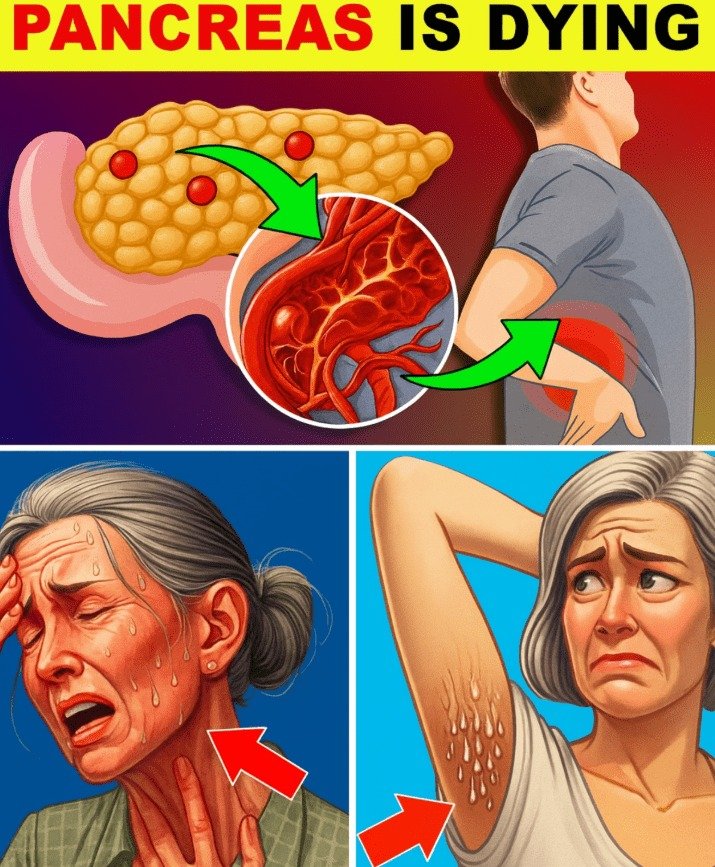
Note: While these symptoms can often resemble those of conditions like Irritable Bowel Syndrome (IBS) or ulcers, it is crucial not to dismiss them without proper medical evaluation.
6. Onset of New Diabetes or Deterioration of Existing Blood Sugar Control
Pancreatic cancer has the potential to harm the cells responsible for insulin production, which can manifest as the sudden development of type 2 diabetes or a significant worsening of blood sugar management in individuals already diagnosed with diabetes. This is particularly noteworthy in those over the age of 50 who have no prior family history of the condition.
What to do: If you experience new symptoms such as increased thirst, more frequent urination, or persistent fatigue, it is important to monitor your blood sugar levels. Should you be diagnosed with sudden-onset diabetes, discuss this concern with your doctor and specifically request a comprehensive pancreatic evaluation.
Fact: A report from the Pancreatic Cancer Action Network in 2023 established a connection between newly diagnosed diabetes and pancreatic cancer, particularly in older adults who also exhibit a low Body Mass Index (BMI).
7. Ongoing Fatigue and Generalized Weakness
It is quite common to experience profound, unexplained fatigue that does not alleviate with adequate rest. Cancer cells actively compete with healthy cells for essential nutrients, and compromised digestion further reduces the body’s energy supply, leaving individuals feeling profoundly drained and weak.
What to do: Ensure you get sufficient rest and maintain a nutritionally balanced diet. If your fatigue persists for more than two weeks, especially when accompanied by other symptoms such as unexplained weight loss, it is advisable to consult a doctor for a thorough evaluation, which may include blood tests or imaging.
Tip: Consuming enough fluids is important to help support your overall energy levels.
8. The Formation of Blood Clots (Deep Vein Thrombosis or Pulmonary Embolism)
Pancreatic cancer significantly elevates the risk of developing blood clots, such as deep vein thrombosis (DVT) in the leg or a pulmonary embolism (PE) in the lungs. These conditions can manifest through symptoms like swelling and pain in the leg, or a sudden onset of shortness of breath.
What to do: If you experience leg pain, swelling, or difficulties with breathing, it is imperative to seek urgent medical attention immediately. Diagnostic tools like a Doppler ultrasound or a CT scan can confirm the presence of blood clots and should prompt further investigation into potential pancreatic issues.
Example: An article published in Health.com in 2025 highlighted that blood clots were identified as an initial symptom in some pancreatic cancer patients, a sign that is unfortunately often overlooked.
Guidance on Responding to These Potential Indicators
Taking prompt action is absolutely essential:
- Systematically track your symptoms: Keep a detailed journal, noting the frequency, duration, and any identifiable triggers for your symptoms.
- Consult a medical professional: Any symptom that persists for more than one to two weeks warrants a thorough medical evaluation, particularly if you are experiencing multiple signs simultaneously.
- Actively request diagnostic tests: Do not hesitate to ask your doctor about specific blood tests, ultrasounds, or CT scans if your symptoms are consistent with potential pancreatic cancer.
- Embrace healthy lifestyle choices: To promote overall pancreatic health, consider reducing alcohol consumption, quitting smoking entirely, and adhering to a well-balanced diet.
| Symptom | Recommended Action | When to Consult a Doctor |
|---|---|---|
| Abdominal/Back Pain | Document duration, severity | If pain persists for more than two weeks |
| Unexplained Weight Loss | Monitor body weight weekly | If 5% or more body weight is lost in one month without effort |
| Jaundice | Check skin and eyes for yellowing | Seek immediate medical assessment |
| Fatty Stools | Observe and record changes in stool characteristics | If changes persist for over one week |
Frequently Asked Questions Regarding Pancreatic Cancer Symptoms
At what point should I seek medical consultation?
If any single symptom continues for longer than one to two weeks, particularly if accompanied by unexplained weight loss, jaundice, or persistent pain, it is crucial to consult your general practitioner. An urgent referral for diagnostic scans becomes necessary if multiple concerning signs begin to manifest.
Is it possible for these symptoms to be indicative of other medical conditions?
Absolutely. Many conditions, such as Irritable Bowel Syndrome (IBS), gallstones, or hepatitis, can indeed present with similar symptoms. However, any persistent or progressively worsening signs should always prompt a thorough medical examination to rule out serious underlying causes.
Is pancreatic cancer curable if identified in its early stages?
Early detection significantly enhances the success rates of surgical interventions. Furthermore, promising new therapeutic approaches, including KRAS-targeted drugs, are currently demonstrating encouraging results in clinical trials, offering hope for improved outcomes.
Please note: This content is provided strictly for informational purposes and should not be considered a substitute for professional medical advice, diagnosis, or treatment. Always consult with a qualified healthcare provider for any health concerns.