 By admin
 Understanding the role of the ACL in the knee
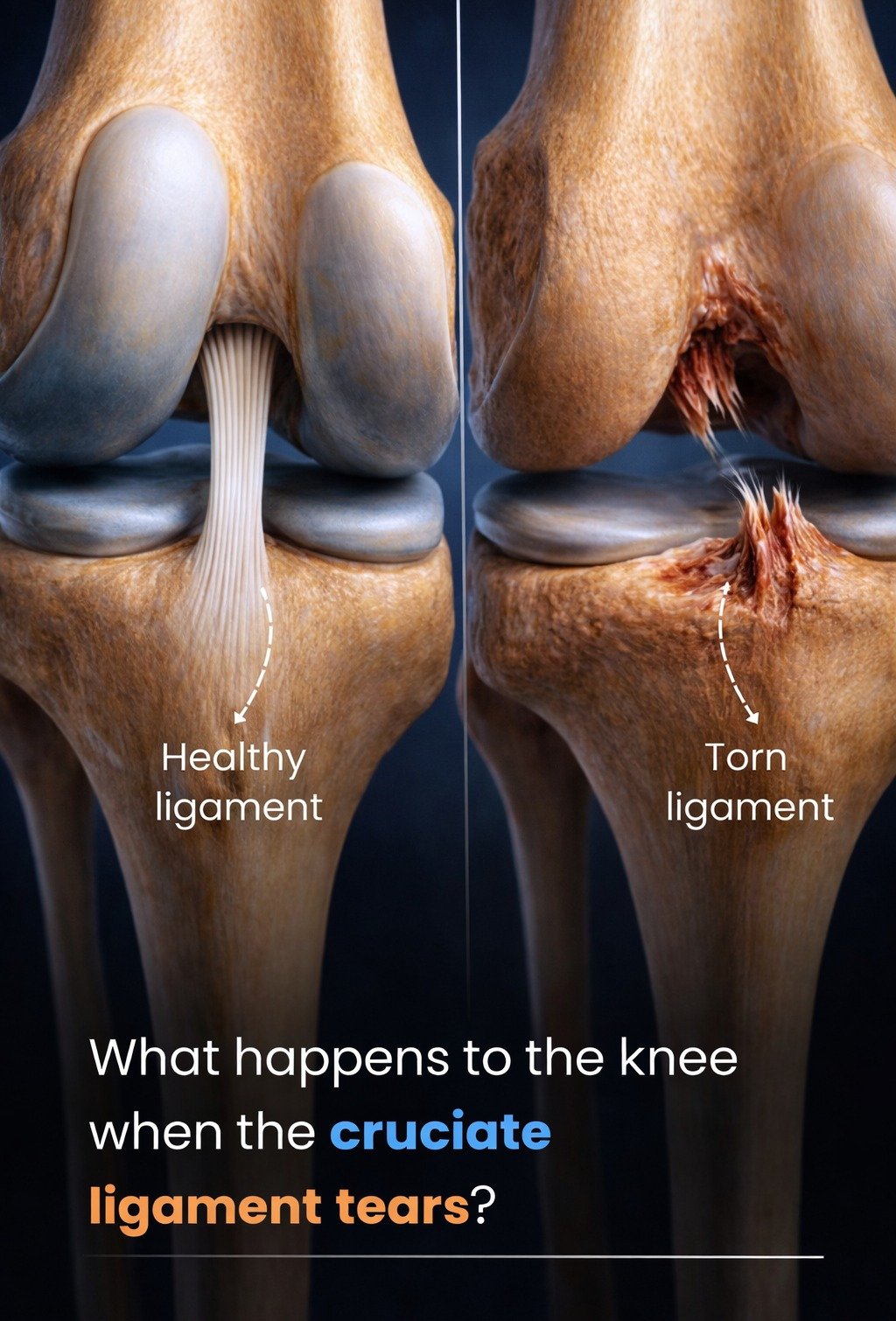
The Anterior Cruciate Ligament, or ACL, stands as one of the most critical components within the knee joint. Its primary function is to provide essential stability to the knee, specifically by preventing the lower leg bone (tibia) from sliding too far forward in relation to the upper leg bone (femur).
When this vital ligament suffers a tear, the knee can experience a significant loss of stability, which often leads to challenging and sometimes painful movements.
How an ACL injury usually happens
A rupture of the anterior cruciate ligament typically occurs during sudden, forceful movements that involve the knee. These types of injuries are particularly common in various sports and demanding physical activities.
Key actions that frequently lead to an ACL tear include:
-
Abrupt changes in direction
-
Quick twisting motions of the knee
-
Awkward landings after a jump
-
Direct impacts to the knee during sports activities
Given these common mechanisms of injury, ACL tears are frequently observed in athletes participating in sports such as football, basketball, skiing, and rugby.
Symptoms of a torn ACL
Many individuals who sustain an ACL tear often report hearing or feeling a distinct “pop” sound or sensation deep within the knee at the precise moment the injury occurs.
Soon after the initial incident, several noticeable symptoms tend to manifest, including:
-
Severe knee pain
-
Rapid swelling of the affected joint
-
A sensation that the knee is unstable or prone to “giving way”
-
Significant difficulty walking or bearing weight on the injured leg
These symptoms typically become apparent within the first few hours following the injury.
How doctors confirm the diagnosis
To accurately diagnose a torn ACL, healthcare professionals usually begin with a thorough clinical examination of the knee. During this assessment, they carefully evaluate the joint’s stability and look for specific indicators of ligament damage.
In many instances, advanced imaging techniques, such as a Magnetic Resonance Imaging (MRI) scan, are recommended. MRI scans provide detailed images of the ligaments and other internal structures of the knee, which helps doctors confirm the extent of the injury with precision.
Does an ACL tear always require surgery?
The treatment approach for an ACL injury is not universal; it varies based on several crucial factors, including:
-
The patient’s age
-
Their typical level of physical activity
-
The degree of instability present in the knee
-
The presence of any additional knee injuries
While some individuals can achieve a successful recovery through targeted physical therapy and strengthening exercises designed to stabilize the knee, others—particularly athletes or those with highly active lifestyles—may be advised to undergo surgical reconstruction of the ligament.
Why medical evaluation is important
A torn ACL represents a significant knee injury that always warrants evaluation by a qualified medical professional. Prompt diagnosis and appropriate treatment are crucial for restoring knee stability, improving mobility, and minimizing the risk of potential long-term complications.
With dedicated and proper medical care, many individuals are able to successfully return to their usual activities and sports following their recovery.