 By admin
 Understanding the Extreme Sensitivity of the Clitoris
Known as one of the human body’s most sensitive structures, the clitoris is densely packed with thousands of nerve endings within a remarkably small region, rendering it exceptionally reactive to any form of physical stimulation.
This extraordinary concentration of nerves means the clitoris is also notably susceptible to various external factors, including external pressure, friction, and sustained compression.
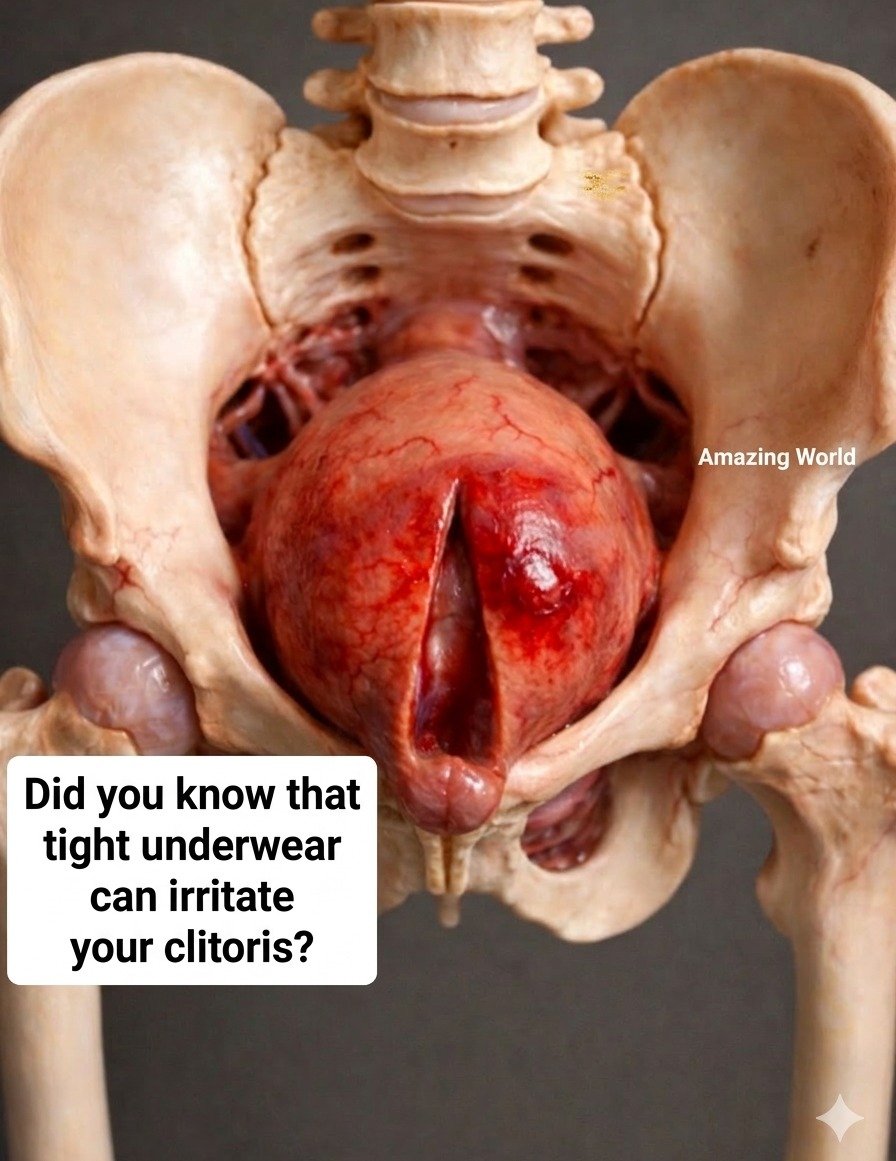
Consequently, when restrictive garments, particularly tight underwear, exert continuous pressure on the vulvar region, they have the potential to impact the delicate tissues and adjacent anatomical structures.
The Mechanisms Behind Tight Underwear’s Impact on the Clitoral Region
Beyond mere discomfort, excessively tight underwear has the capacity to fundamentally alter the natural physiological state of the clitoral region. There are several distinct mechanisms through which this can lead to irritation or noticeable changes in sensitivity.
1. Irritation of the Clitoral Hood
The clitoral hood serves as a vital protective covering for the clitoral glans.
Persistent pressure from constricting apparel can press this protective tissue tightly against the clitoris, inadvertently creating a microenvironment where moisture and natural secretions become trapped. This prolonged condition can eventually lead to irritation and inflammation. Furthermore, in certain instances, the tissue may become somewhat sticky or even develop slight adhesions, which can then cause discomfort during the normal movement of the clitoral hood.
2. Potential Nerve Compression
The clitoral region is intimately linked with the pudendal nerve, a crucial pathway responsible for transmitting sensory signals from the entire genital area directly to the brain.
When tight garments apply undue pressure, they can potentially compress the delicate, smaller nerve branches in the area. This compression can, at times, manifest as:
-
Hyperesthesia – characterized by an abnormal increase in sensitivity or the experience of sharp pain even from a gentle touch.
-
Paresthesia – presenting as unusual sensations such as numbness or a persistent tingling feeling.
Both of these conditions have the capacity to temporarily disrupt or alter the body’s normal sensory responses in the affected region.
3. Swelling and Compromised Circulation
Restrictive apparel can exert a gentle constricting effect around the vulvar area. This consistent pressure has the potential to impede the natural venous return of blood from the tissues, which may subsequently result in slight swelling.
In such scenarios, the vestibular bulbs, an erectile tissue, might become engorged or congested, leading to sensations of heaviness or a continuous feeling of pressure within the region.
4. Damage to the Protective Mucosal Barrier
The continuous rubbing or chafing caused by rough seams or certain synthetic fabrics has the capacity to compromise and damage the inherent protective layer of the delicate mucosal tissue.
Such friction can lead to the formation of microscopic breaks in the skin, which, though often invisible to the naked eye, are highly susceptible to irritation from various substances, including:
-
Sweat
-
Urine
-
Hygiene products with strong pH
Cumulatively, this ongoing irritation can progressively heighten sensitivity and lead to persistent discomfort in the area.
When to Consult a Medical Professional
While sporadic irritation resulting from tight clothing is typically transient, any symptoms that persist over time warrant attention and should not be disregarded.
Healthcare providers strongly advise seeking consultation with a Gynecology specialist if you experience any of the following persistent issues:
-
Persistent swelling
-
Changes in skin color or pigmentation
-
Ongoing pain or discomfort
-
Loss of sensitivity that does not improve after switching to looser clothing
Prioritizing Intimate Health and Well-being
Opting for underwear made from breathable fabrics and ensuring a proper fit are key steps in fostering and maintaining a healthy environment within the genital region. It is crucial to allow the skin to remain dry and unburdened by excessive pressure, as this significantly aids in preventing irritation, potential infections, and the development of chronic sensitivity concerns.
Ultimately, seemingly minor daily decisions—like selecting comfortable clothing and adhering to sound hygiene practices—contribute substantially to safeguarding and promoting comprehensive intimate health and well-being.