 By admin
 Have you ever experienced that peculiar tingling sensation in your hands upon waking in the middle of the night? Or perhaps you’ve noticed your fingers suddenly feeling numb while engrossed in work or simply holding your phone. This uncomfortable phenomenon, often referred to as your “hands falling asleep”—is a remarkably common experience.
While this sensation is often temporary and benign, recurrent or persistent numbness can sometimes indicate underlying issues related to nerves, blood circulation, or even daily lifestyle habits. Gaining an understanding of these potential causes is crucial for discovering effective natural remedies to alleviate the problem and support your overall well-being.
What Exactly Happens When Your Hands Fall Asleep?
When your hands experience the sensation of falling asleep, you might encounter several distinct feelings, including:
-
A tingling sensation, often likened to “pins and needles”
-
Numbness or a noticeable reduction in tactile sensation
-
A temporary feeling of weakness in the fingers
-
A sense of heaviness or fullness in the hand or wrist area
This phenomenon typically occurs when nerves are compressed or when blood circulation is temporarily restricted, which disrupts the normal transmission of nerve signals to the brain.
Though occasional hand numbness is a widespread occurrence, it’s important not to dismiss frequent episodes.
Common Reasons Your Hands May Go Numb
Identifying the root causes of hand numbness is the essential first step towards effectively preventing this bothersome issue.
1. Suboptimal Sleeping or Sitting Posture
One of the most frequent culprits is simply maintaining a sleeping or sitting position that compresses nerves or blood vessels in your arms or hands.
For instance, consider these common scenarios:
-
Resting your arm underneath your head while sleeping
-
Keeping your elbow propped on a desk for extended durations
-
Holding your wrist in a bent position for long periods while using a phone
Such postures can impede proper circulation or exert pressure on crucial nerves, subsequently leading to numbness in your hands.
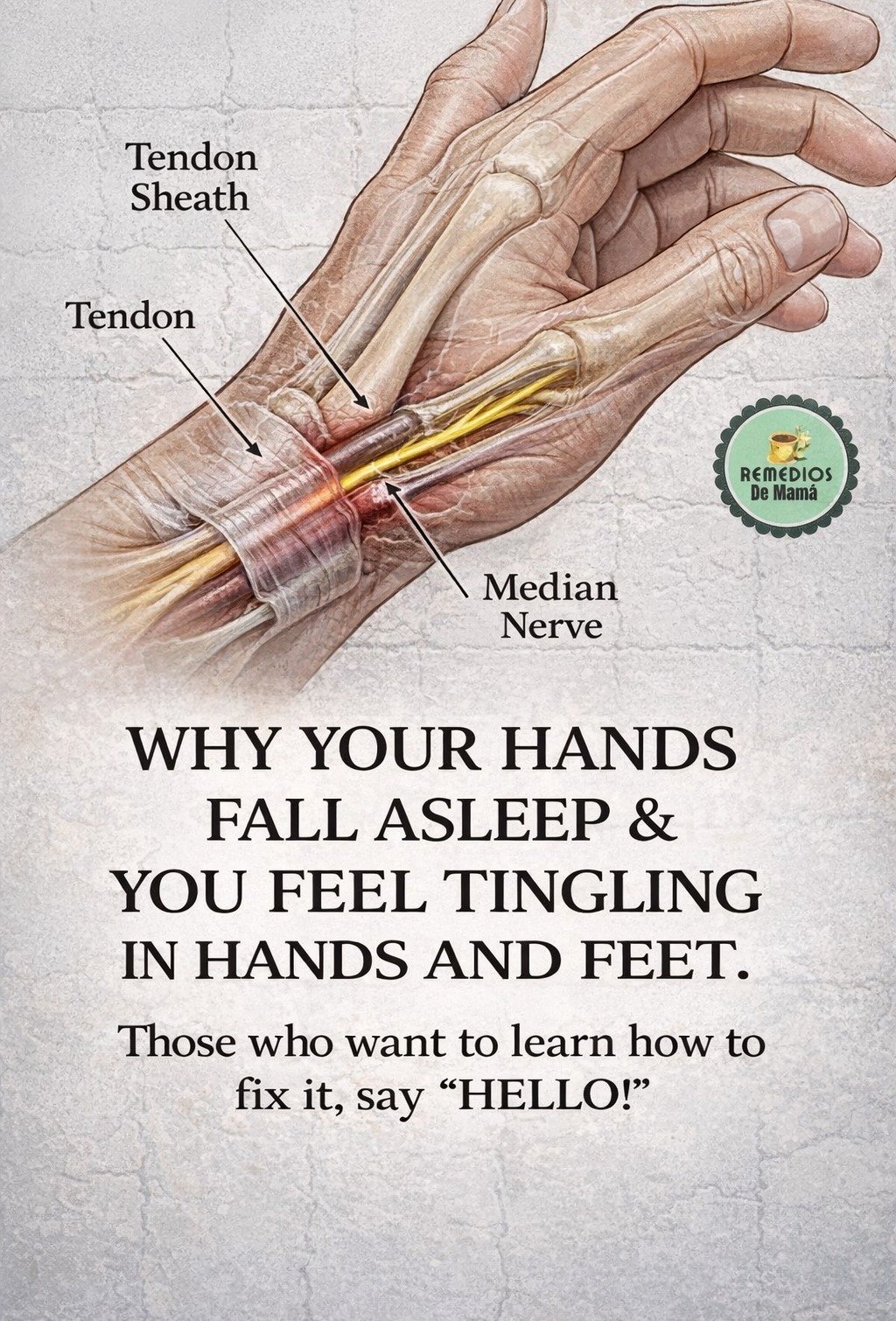
2. Nerve Compression, Such as Carpal Tunnel Syndrome
Repetitive hand movements—common in activities like typing, cooking, or operating tools—can often lead to nerve compression within the wrist.
A well-known example is carpal tunnel syndrome, a condition that develops when the median nerve in the wrist becomes compressed. This compression can manifest as numbness, tingling, and weakness specifically affecting the fingers.
Individuals who face a higher risk for this condition include:
-
Office professionals
-
Those engaged in manual labor
-
Frequent smartphone users
-
Musicians
3. Impaired Blood Circulation
Insufficient blood flow to the hands can also be a significant factor contributing to numbness.
Problems with circulation might be associated with:
-
Extended periods of inactivity
-
Exposure to very cold temperatures
-
Narrowing of the arteries
-
Underlying cardiovascular health issues
When the supply of blood diminishes, nerve signals can temporarily cease, resulting in that familiar tingling sensation.
4. Nutritional Deficiencies
For the nervous system to function optimally, it relies on a consistent supply of specific vitamins and minerals.
Deficiencies that are frequently linked to experiences of numbness include a lack of:
-
Vitamin B12
-
Magnesium
-
Various B-complex vitamins
Without adequate amounts of these vital nutrients, nerves can become damaged or operate with reduced efficiency, leading to symptoms like numbness.
5. Elevated Stress Levels and Muscle Tension
Persistent stress can cause the muscles in the neck and shoulders to become chronically tight. This sustained tension can, in turn, compress nerves that extend downwards into the arms and hands.
Consequently, individuals experiencing high levels of stress may sometimes report:
-
Tingling sensations in the hands
-
Numbness in the arms
-
Stiffness in the wrists
Symptoms related to stress often intensify after demanding workdays or periods of inadequate sleep.
Natural Approaches That May Help Alleviate Hand Numbness
If you experience mild or infrequent symptoms, several straightforward natural remedies can potentially enhance circulation and improve nerve function.
1. Gentle Hand and Wrist Exercises
Performing targeted stretches for your hands can effectively restore proper circulation and relieve pressure on nerves.
Consider incorporating this simple exercise routine:
-
Extend your arms straight out in front of you.
-
Slowly rotate your wrists in gentle circular motions.
-
Repeatedly open and close your fists 10 to 15 times.
-
Actively stretch your fingers wide apart.
Regular engagement in these stretching exercises not only boosts blood flow but also enhances flexibility in the joints.
2. Therapeutic Massage
Applying a gentle massage to your hands can effectively stimulate blood circulation and help relax any tense muscles.
You can try these techniques:
-
Gently massage the palm and individual fingers
-
Massage the back of the hand