 By admin
In recent years, a growing emphasis on natural living has led many to incorporate more raw foods into their daily diets. While fresh fruits and vegetables undoubtedly play a vital role in a balanced and healthy lifestyle, raw food options may not always be the most comfortable choice for everyone, particularly for individuals with delicate or easily irritated digestive systems.
Throughout numerous traditional cultures, warm and thoroughly cooked meals have long been favored, especially when the digestive system requires extra support. Culinary techniques such as gentle simmering, steaming, roasting, or the preparation of nourishing soups and stews can effectively transform foods, making them softer, significantly easier to digest, and much gentler on the stomach.
However, a crucial question frequently arises in this discussion: Does cooking destroy essential nutrients like minerals?
Surprisingly, in the vast majority of cases, the answer is no.
Let’s delve deeper into why cooked foods can still deliver valuable nutrients while simultaneously promoting digestive comfort and ease.
Why Minerals Remain Stable During Cooking
Minerals, which include essential elements such as calcium, iron, magnesium, potassium, and sodium, are naturally occurring components found in soil and are absorbed by plants as they grow. Unlike certain vitamins that are known to be sensitive to heat, minerals are remarkably stable compounds.
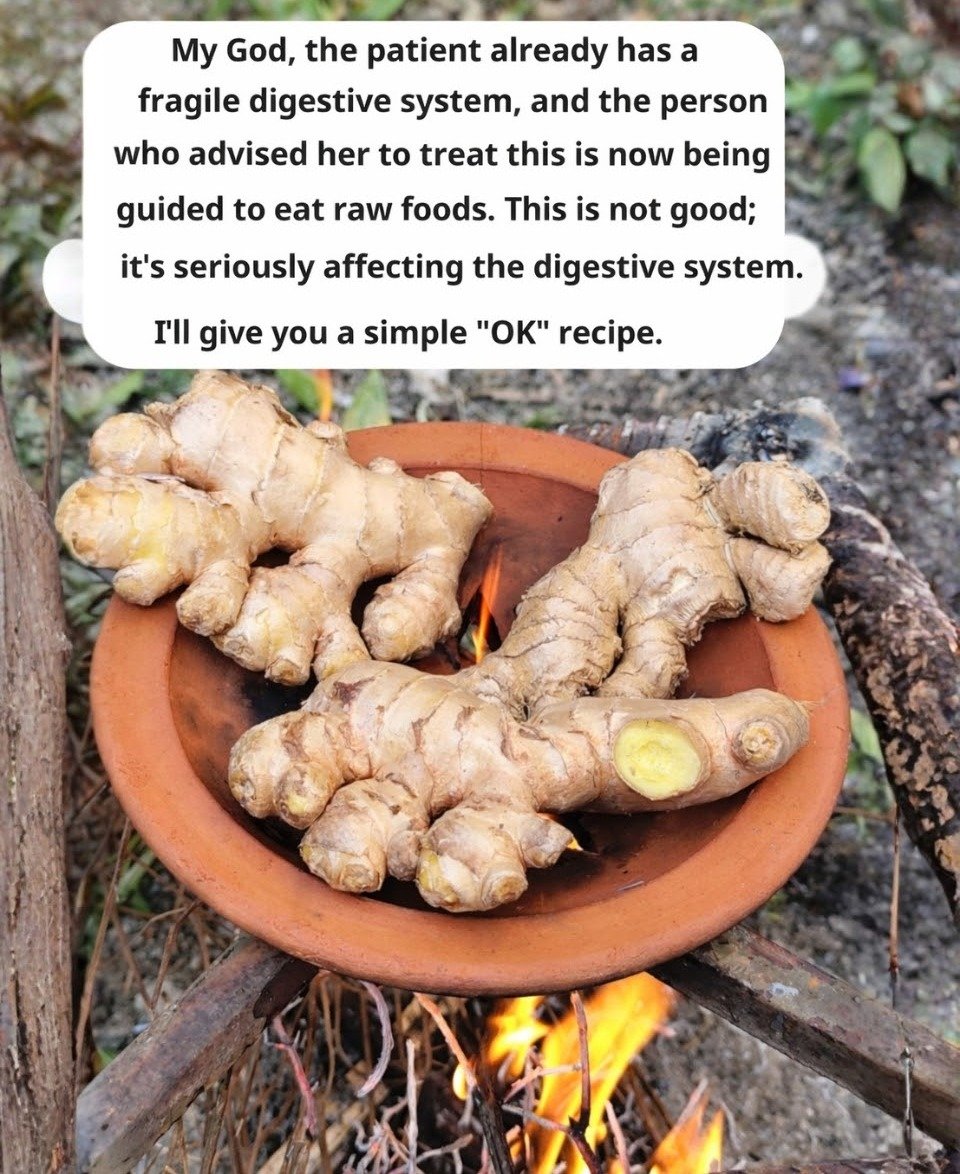
Even when foods are exposed to heat during various cooking processes, minerals generally do not vanish or evaporate. Instead, they either remain preserved within the food itself or may dissolve and transfer into the cooking liquid, such as the broth of a soup or water used for steaming.
A straightforward traditional observation helps to perfectly illustrate this concept.
Consider a vegetable that has been burned until only ash remains; that ash would still undeniably contain its original mineral constituents. This powerfully demonstrates the inherent resilience and chemical stability of these vital elements.
Because of this remarkable stability, common cooking methods like boiling, roasting, steaming, or slow cooking generally do not diminish the mineral content of foods.
How Cooking May Improve Mineral Availability
In certain circumstances, the act of cooking can actually enhance the body’s ability to absorb and utilize particular nutrients more effectively.
Many plant-based foods contain minerals that are naturally encased within rigid cell walls and complex fibrous structures. Applying gentle heat and employing longer cooking methods can significantly help to:
- Break down tough plant cell walls
- Soften fibrous textures
- Release minerals for easier absorption