 By admin
 The Appeal of Baking Soda for Dental Care
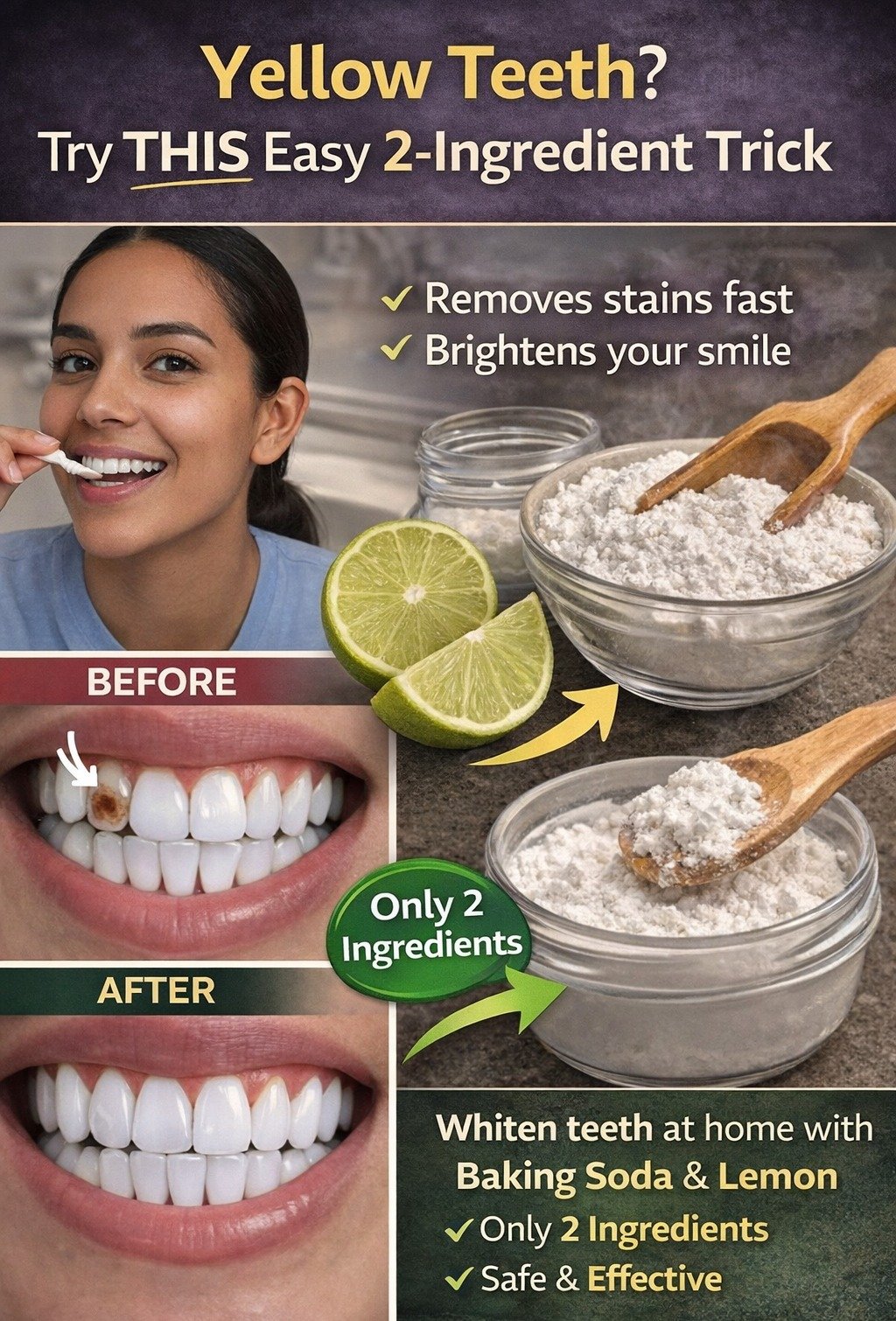
For a considerable time, baking soda has been recognized as an effective natural cleaning agent. Due to its gently abrasive nature, many individuals incorporate it into their home dental routines as a method to help diminish superficial stains on their teeth.
Nevertheless, before integrating this substance into your regular oral hygiene regimen, it is crucial to fully grasp its operational mechanisms and inherent limitations.
How Baking Soda Interacts with Your Teeth
Baking soda possesses the ability to gently buff the outer surfaces of your teeth, thereby aiding in the removal of extrinsic stains that commonly result from:
-
Coffee consumption
-
Tea drinking
-
Tobacco use
-
Specific food items
While this action can contribute to a visibly whiter appearance of teeth over time, it is important to note that baking soda does not alter the inherent, natural shade of your teeth, nor does it deliver the profound whitening effects typically achieved with professional dental treatments.
Crucial Considerations Before Using Baking Soda
Prior to exploring this particular method for teeth whitening, it is highly advisable to take the following points into account:
1. Assess your current dental health
Should you experience issues such as heightened tooth sensitivity, existing gum problems, or any degree of enamel damage, it is imperative to consult with a dentist before applying any abrasive substances to your teeth.
2. Practice moderation in its application
Excessive or overly frequent use of baking soda has the potential to erode tooth enamel, which serves as a vital protective layer for your teeth against damage and sensitivity.
3. Refrain from overly vigorous brushing
Applying undue pressure during brushing, when combined with the abrasive qualities of baking soda, significantly elevates the risk of enamel erosion and potential harm to your dental structure.
Guidelines for Safe Baking Soda Use
If you opt to proceed with using baking soda for teeth whitening, adhering to these recommended guidelines will help ensure its safe application:
-
Combine a small quantity of baking soda with water to create a consistent paste.
-
Brush your teeth very gently with this paste for a duration not exceeding 1 to 2 minutes.
-
Rinse your mouth thoroughly with water after brushing.
-
Limit your use of this method to only a few times each week.
Additionally, many commercial toothpaste formulations now incorporate baking soda, providing a safer and more balanced approach to its use for oral hygiene.
Potential Risks to Understand
Incorrect or improper application of baking soda for dental purposes can potentially result in several adverse effects, including:
-
Increased tooth sensitivity
-
Accelerated enamel wear
-
Irritation of the gums
Over an extended period, the damage to enamel can unfortunately heighten your susceptibility to developing cavities and experiencing further tooth discoloration.
Superior Alternatives for Achieving Whiter Teeth
For individuals seeking both safer and more impactful teeth whitening outcomes, the following options are generally recommended:
-
Utilizing whitening toothpastes that have received approval from dental professionals
-
Undergoing professional teeth whitening treatments performed by a dentist
-
Consistently practicing excellent daily oral hygiene habits
Maintaining a routine of diligent brushing, consistent flossing, and regular dental check-ups remains the most dependable and effective strategy for preserving a healthy, bright smile.
Embracing a Balanced Strategy for a Brighter Smile
When used with caution and in appropriate measures, baking soda can indeed serve as a beneficial agent for addressing and removing superficial tooth stains. However, its application should always be moderate and integrated within a comprehensive oral care regimen.
Prioritizing the protection of your tooth enamel is paramount, as long-term dental health and integrity ultimately hold greater significance than purely cosmetic, rapid results.