 By admin
For centuries, castor oil has been prized as an incredibly versatile natural remedy. From its roots in ancient medicinal practices to its presence in contemporary wellness routines, this dense, plant-derived oil consistently garners attention for its extensive practical applications. While many may recognize castor oil as a mere staple in the household, its potential uses extend far beyond common expectations.
When utilized thoughtfully and correctly, castor oil has the capacity to enhance skincare, promote hair vitality, and contribute to overall daily comfort in numerous ways. If you haven’t yet explored the diverse advantages of this time-honored oil, you might be astonished by the many avenues through which it can seamlessly integrate into a holistic wellness regimen.
Within this comprehensive guide, we will delve into 10 potential health benefits of castor oil, examining its mechanisms of action and providing practical advice for its safe and effective application.
What Is Castor Oil?
Castor oil is a distinctive vegetable oil, meticulously extracted from the seeds of the castor plant (Ricinus communis). It is characterized by its notably thick consistency, a light yellow hue, and a unique chemical makeup abundant in beneficial fatty acids.
A pivotal constituent of castor oil is ricinoleic acid, a monounsaturated fatty acid that plays a significant role in imparting many of the oil’s renowned moisturizing and soothing qualities.
It’s important to note that while the raw castor seeds contain toxic compounds, the specific oil extraction and subsequent heating processes effectively eliminate these harmful elements. This purification renders properly processed castor oil safe for a wide array of topical and domestic applications.
Due to its exceptional composition, castor oil boasts a rich history of use in traditional wellness practices, cosmetic formulations, and various skincare preparations.
1. Castor Oil May Help Moisturize the Skin
One of the most widely recognized applications of castor oil is its role as an exceptional natural skin moisturizer.
Thanks to its abundant content of ricinoleic acid and triglycerides, castor oil actively supports the skin’s inherent moisture barrier. When applied topically, it effectively aids in sealing in hydration and preventing excessive dryness, promoting a supple complexion.
Many individuals incorporate castor oil into their evening skincare routines to maintain soft and smooth skin overnight.
Tip: Given its very dense nature, castor oil is frequently blended with lighter carrier oils, such as coconut oil, olive oil, or almond oil, for easier application and absorption.
2. Castor Oil May Support Healthy Aging Skin
Beyond its moisturizing properties, castor oil may also contribute to the appearance of healthy, aging skin.
The emollient qualities of castor oil can help the skin feel softer and appear smoother. Regular, gentle application may assist in maintaining the skin’s elasticity and youthful look over time.
Many users report that consistent use helps to diminish the visibility of fine lines and wrinkles, leaving the skin with a more rejuvenated and radiant appearance.
3. Castor Oil May Promote Hair Growth and Strength
Castor oil is a popular traditional remedy for those looking to enhance their hair’s health and appearance.
Its rich fatty acid profile and nourishing properties are believed to support hair follicles. Massaging castor oil into the scalp can help improve circulation and deliver essential nutrients, potentially fostering an environment conducive to stronger, healthier hair growth.
Regular application may also contribute to thicker-looking hair and a reduction in breakage, leading to fuller and more resilient strands.
4. Castor Oil May Help Soothe Scalp Irritations
For individuals experiencing scalp discomfort, castor oil might offer a natural soothing solution.
The anti-inflammatory properties attributed to ricinoleic acid in castor oil can help calm irritated skin. Applying a small amount to the scalp may alleviate symptoms such as itchiness, dryness, and flakiness associated with various scalp conditions.
This makes it a beneficial addition to hair care routines for maintaining a healthy and comfortable scalp environment.
5. Castor Oil May Support Eyelash and Eyebrow Health
Castor oil has gained significant popularity as a natural enhancer for eyelashes and eyebrows.
Its nourishing compounds can help strengthen and moisturize individual hairs, potentially reducing breakage and promoting a fuller, thicker appearance for both lashes and brows. Many apply it nightly with a clean mascara wand or cotton swab.
Consistent application over several weeks is often recommended to observe noticeable improvements in density and length.
6. Castor Oil May Assist in Wound Care
Historically, castor oil has been used in various traditional remedies for minor skin abrasions and wounds.
Its moisturizing and protective qualities can help create a barrier that supports the natural healing process. Applying it to clean, minor cuts or scrapes may help keep the area hydrated and protected from external irritants.
It’s crucial to remember that for serious wounds, professional medical advice should always be sought.
7. Castor Oil May Help Reduce the Appearance of Scars
The emollient and moisturizing properties of castor oil may also play a role in improving the appearance of scars over time.
By keeping scar tissue hydrated and supple, castor oil can help it blend more seamlessly with the surrounding skin. Regular, gentle massage with castor oil on older scars may contribute to a softer, smoother texture and a less prominent look.
Patience and consistent application are key when using castor oil for scar management.
8. Castor Oil May Alleviate Joint and Muscle Discomfort
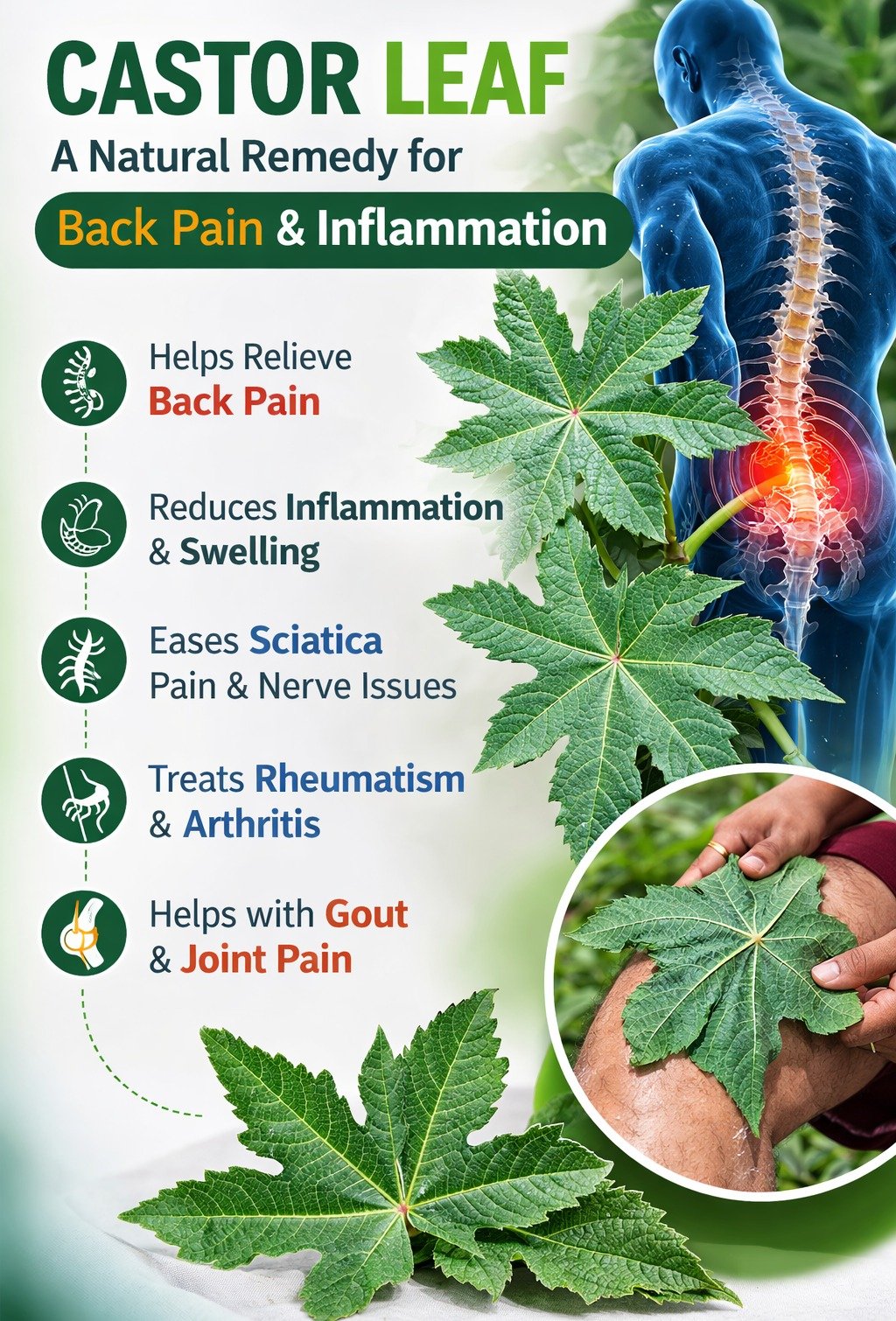
Castor oil packs are a traditional method used to address localized discomfort in joints and muscles.
When applied topically and covered with a warm compress, the ricinoleic acid in castor oil is believed to penetrate the skin and exert its anti-inflammatory effects. This can provide a soothing sensation and help ease stiffness or soreness.
This method is often favored for its non-invasive approach to comfort management.
9. Castor Oil May Aid in Constipation Relief (Oral Use)
One of the most well-known traditional uses of castor oil is as a natural laxative, primarily when taken orally.
Ricinoleic acid, upon reaching the intestines, is thought to stimulate muscle contractions, which helps in the movement of stool through the bowels. It is generally considered a strong laxative and should be used with caution and only under appropriate guidance.
Important Note: Oral consumption of castor oil should be approached with extreme care and preferably under the supervision of a healthcare professional due to its potent effects and potential side effects.
10. Castor Oil May Support Lymphatic Drainage
Castor oil is frequently incorporated into practices aimed at supporting lymphatic health.
When applied topically, especially in the form of castor oil packs over lymphatic areas, it is believed to encourage circulation and lymph flow. This traditional practice is thought to assist the body’s natural detoxification processes and reduce fluid retention.
While more scientific research is needed, many wellness enthusiasts integrate castor oil into their routines for this perceived benefit.
How to Use Castor Oil Safely
To maximize the benefits of castor oil while minimizing risks, consider these safety guidelines:
- Patch Test: Always perform a patch test on a small area of skin before widespread use to check for allergic reactions or sensitivities.
- Quality Matters: Opt for high-quality, cold-pressed, hexane-free castor oil to ensure purity and potency.
- Topical Application: For skin and hair, apply a small amount and gently massage. It can be diluted with other carrier oils for easier spread.
- Castor Oil Packs: For localized discomfort or lymphatic support, soak a cloth in warm castor oil, apply it to the area, cover with plastic wrap, and place a heat source (like a hot water bottle) on top for 30-60 minutes.
- Oral Use (Laxative): Consult a healthcare professional before taking castor oil orally. It is a potent laxative and can cause cramping or diarrhea. Follow dosage instructions carefully.
- Storage: Store castor oil in a cool, dark place away from direct sunlight to maintain its efficacy.
Potential Side Effects and Precautions
While generally safe for topical use, it’s essential to be aware of potential side effects and precautions:
- Skin Irritation: Some individuals may experience redness, itching, or rash. Discontinue use if irritation occurs.
- Allergic Reactions: Though rare, an allergic reaction can occur. Seek medical attention if you experience severe symptoms like swelling or difficulty breathing.
- Oral Use Risks: Oral castor oil can cause abdominal cramping, nausea, vomiting, and diarrhea. It should not be used by pregnant women, individuals with certain gastrointestinal conditions, or for prolonged periods without medical advice.
- Eye Contact: Avoid direct contact with eyes. If contact occurs, rinse thoroughly with water.
Conclusion
Castor oil stands as a truly remarkable natural remedy, boasting a rich history and a diverse range of potential health benefits. From nourishing your skin and hair to offering relief for various discomforts, its unique composition, particularly its ricinoleic acid content, makes it a valuable addition to many wellness routines.
Whether you are seeking a natural moisturizer, a hair growth aid, or a traditional method for soothing muscles, castor oil offers a compelling natural solution. As with any natural remedy, it is always wise to approach its use with awareness of proper application techniques and potential precautions, especially for internal consumption.
By understanding its properties and incorporating it thoughtfully, you can unlock the full potential of this ancient, versatile oil to support your overall health and well-being.