 By admin
 Introduction: The Often-Overlooked Importance of Staying Hydrated
While we universally acknowledge water’s vital role in sustaining life, many of us frequently underestimate just how crucial consistent hydration is for maintaining comprehensive health. Your body, composed of approximately 60% water, relies on this indispensable resource for the proper functioning of every single system. From facilitating digestion to enabling circulation, adequate hydration profoundly influences your energy levels, skin health, digestive processes, and even your cognitive clarity.
Although we typically associate a feeling of thirst with the need for a drink, there are several subtle indicators that your body might be yearning for more water—even before that sensation of thirst arises. In this article, we will delve into 8 unexpected signs that could signal your body requires increased hydration, emphasizing why it’s essential to recognize these prompts to prevent dehydration and support overall well-being.
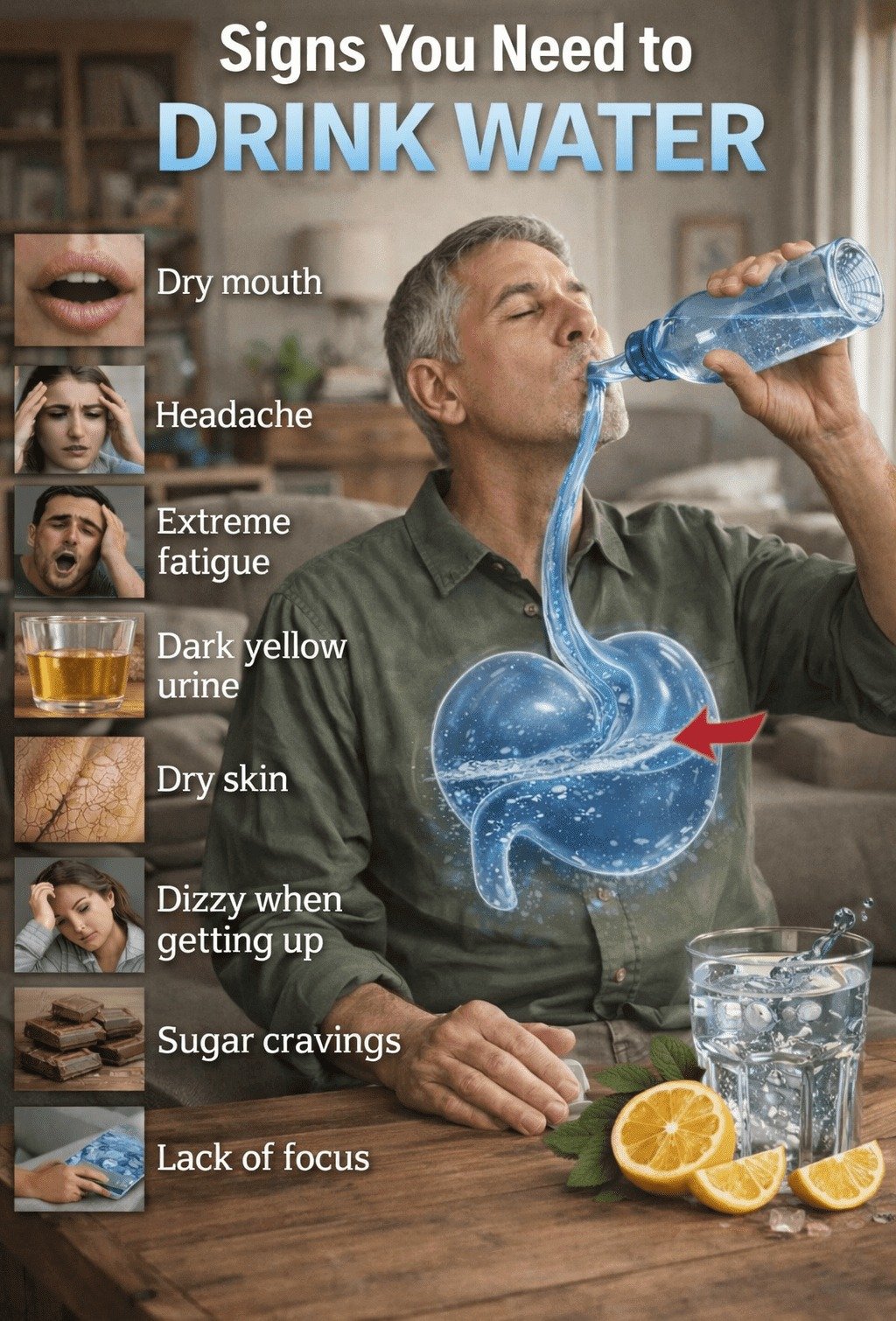
1. Dry Mouth and Throat
One of the most immediate and common indicators that your body needs more water is a dry mouth. When experiencing dehydration, your salivary glands are unable to produce sufficient saliva, leading to an uncomfortable, parched sensation in your mouth and throat.
Why It Happens:
- Dehydration directly diminishes saliva production, resulting in a dry, often sticky feeling within your mouth. Saliva plays a critical role in initial digestion, maintaining oral hygiene, and neutralizing harmful acids.
What You Can Do:
- Consume water consistently throughout your day to ensure your mouth remains moist and your body stays well-hydrated. Alternatively, you can try sipping on herbal teas or chewing sugar-free gum to help stimulate natural saliva production.
2. Fatigue and Low Energy
If you find yourself feeling unusually weary or sluggish, a lack of hydration could very well be the underlying cause. Your body demands water to operate with optimal efficiency, and insufficient water intake can disrupt energy production, leaving you feeling utterly drained and lethargic.
Why It Happens:
- Dehydration impedes the efficient delivery of essential nutrients and oxygen to your cells, which in turn slows down your metabolic rate and induces fatigue. When dehydrated, your body must exert significantly more effort to carry out its fundamental functions.
What You Can Do:
- Maintain hydration levels throughout the day by drinking water and incorporating water-rich foods such as various fruits and vegetables into your diet. Carrying a reusable water bottle can serve as a constant reminder to drink regularly.
3. Dark Yellow Urine
The hue of your urine provides a straightforward and reliable clue about your hydration status. If your urine appears dark yellow or amber, it strongly suggests your body is conserving water because it isn’t receiving an adequate supply. Ideally, healthy urine should be a light yellow or nearly clear.
Why It Happens:
- Dark urine signals that your kidneys are working harder to retain water within your body, which results in more concentrated urine containing higher levels of waste products.
What You Can Do:
- Increase your water intake throughout the day to help dilute your urine. If you observe your urine becoming darker after a few hours, consider it a clear sign to drink more.
4. Headaches
Headaches are among the most frequently reported symptoms of dehydration. When your body lacks sufficient water, it can lead to reduced blood flow and oxygen supply to the brain, which often triggers a headache.
Why It Happens:
- Dehydration can cause the brain tissue to temporarily shrink, resulting in pain and tension. This decrease in fluid levels can also disrupt the delicate balance of electrolytes, further contributing to the onset of headaches.
What You Can Do:
- Consume water promptly as soon as you sense a headache beginning. If you are prone to headaches caused by dehydration, prioritize consistent hydration to prevent their occurrence.
5. Dry Skin and Lips
Dehydrated skin often appears dull, feels dry, and may even be flaky. If your skin feels rough to the touch or your lips become noticeably cracked and chapped, these are clear indicators that your body might be deficient in the necessary moisture.
Why It Happens:
- Water is absolutely essential for preserving the elasticity and hydration of your skin. When you are dehydrated, your skin loses its vital moisture, causing it to look and feel dry and making it more susceptible to irritation.
What You Can Do:
- Drink plenty of water to hydrate your skin effectively from the inside out. Additionally, regularly apply a good moisturizer or lip balm to provide an external layer of protection for your skin and lips against further dryness.
6. Dizziness or Lightheadedness
Experiencing feelings of dizziness or lightheadedness, particularly when you stand up quickly, could be a significant sign of dehydration. When your body is dehydrated, your blood volume diminishes, which can result in a sudden drop in blood pressure, leading to sensations of dizziness or even fainting.
Why It Happens:
- Low blood volume due to dehydration means that less oxygen and fewer nutrients are efficiently delivered to the brain, which can manifest as feelings of dizziness, disorientation, or lightheadedness.
What You Can Do:
- Drink water and take a moment to rest if you are feeling lightheaded. Rehydrate slowly with small sips of water to prevent exacerbating the dizziness.
7. Cravings for Sugary or Salty Foods
Dehydration can sometimes mislead your body into believing it requires sugar or salt. When your body is lacking sufficient water, it might trigger cravings for these types of foods as a mechanism to help retain fluid and provide a rapid energy boost.
Why It Happens:
- Dehydration can closely mimic the sensations of actual hunger or specific cravings, and the body may intensely desire sugar or salt in an attempt to hold onto more water. This is a natural defense mechanism designed to help balance your internal fluid levels.
What You Can Do:
- The next time you experience these cravings, try drinking a glass of water instead of immediately reaching for sugary or salty snacks. Often, your body simply needs hydration, not additional calories or sodium.
8. Constipation
A lack of proper hydration can also significantly impact your digestive system. If you aren’t consuming enough water, your colon will absorb an increased amount of water from the waste material, making your stools dry, hard, and considerably more difficult to pass.
Why It Happens:
- When the body experiences dehydration, it draws water from the intestines, which directly results in hard, dry stools and consequently, constipation. Water is absolutely necessary for smooth digestive processes and regular, healthy bowel movements.
What You Can Do:
- Ensure you drink water consistently throughout the day to maintain optimal movement within your digestive system. Complement your water intake with fiber-rich foods such as various fruits, vegetables, and whole grains to further encourage healthy digestion.
Conclusion: Stay Hydrated for Optimal Health
Water, despite being often overlooked, stands as the most critical element for maintaining optimal health, playing an indispensable role in ensuring your body functions at its peak. By conscientiously recognizing the signals your body communicates—such as a dry mouth, persistent fatigue, headaches, or constipation—you can guarantee you’re consuming enough water daily to keep all your organs operating with maximum efficiency.
Regardless of whether you feel thirsty, cultivate the habit of drinking water regularly throughout your day. Aim for a minimum of 8 cups of water daily, adjusting your intake based on individual factors like your activity level, age, and the prevailing climate. Remember, making small, consistent efforts towards proper hydration today can lay the groundwork for significantly better health in the future.
Frequently Asked Questions (FAQ)
1. How much water should I drink daily to stay hydrated?
The common recommendation suggests consuming at least 8 cups (equivalent to 64 ounces) of water each day, though individual requirements can differ. Some individuals may need more, depending on their physical activity levels, the climate they live in, and any existing health conditions.
2. What is the best time to drink water?
While drinking water throughout the day is fundamentally important, it is particularly beneficial to consume a glass of water immediately after waking up and before meals to aid in digestion.
3. Can I hydrate with drinks other than water?
Yes, other beverages that promote hydration, such as herbal teas, coconut water, and fruit-infused water, can contribute to your overall fluid intake. However, it’s advisable to limit drinks high in caffeine or sugar, as they can potentially lead to dehydration.
Disclaimer
This article is provided for general informational purposes only and should not be construed as medical advice. Always consult with a qualified healthcare provider for personalized guidance, especially if you have any pre-existing health conditions or concerns.