 By admin
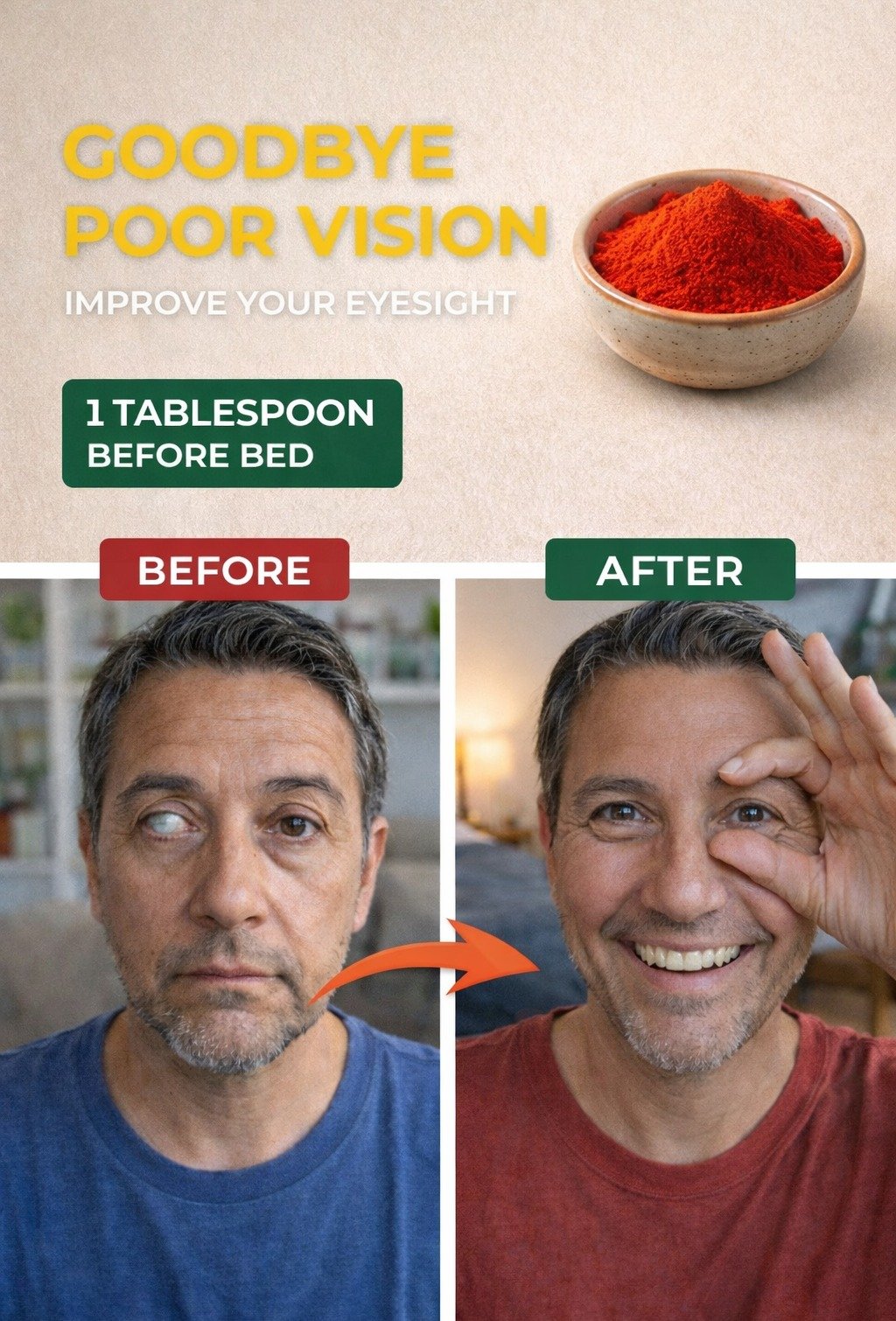
 Saffron, often referred to as “red gold,” is much more than just a highly esteemed culinary spice. Beyond its distinctive fragrance and gastronomic appeal, emerging scientific investigations suggest that it could provide significant advantages for maintaining eye health, particularly as individuals age. Thanks to its potent antioxidants and distinctive bioactive components, saffron holds potential for naturally safeguarding one’s vision.
What Makes Saffron So Remarkable?
Saffron is derived from the delicate, thread-like stigmas of the Crocus sativus flower. Each individual bloom yields a mere three of these tiny threads, which explains its high value and concentrated power. It is rich in crucial compounds such as crocin, crocetin, and safranal — all of which function as powerful antioxidants. These compounds may assist in neutralizing the oxidative stress that can accumulate and cause damage to sensitive eye tissues over time.
How Saffron May Contribute to Vision Support
1. Robust Antioxidant Defense
The retina, which is the crucial light-sensing layer located at the rear of the eye, is particularly susceptible to damage from oxidative processes. Antioxidants present in saffron, such as crocin and crocetin, are believed to help safeguard retinal cells from the everyday wear and tear, thereby promoting long-term ocular health.
2. Potential Aid for Age-Related Macular Degeneration (AMD)
Numerous clinical investigations have indicated that consistent saffron supplementation can lead to a modest improvement in visual function for individuals experiencing the early stages of age-related macular degeneration (AMD). These improvements have included enhancements in visual acuity and contrast sensitivity observed after several months of daily intake.
AMD stands as one of the primary causes of vision loss among older adults, characterized by the deterioration of the macula (the central part of the retina). Research suggests that saffron might contribute to slowing this progression by shielding cells from oxidative stress and inflammation.
3. Possible Retinal Support and Neuroprotective Effects
Studies propose that extracts from saffron could provide protection in various ocular neurodegenerative conditions including diabetic retinopathy and glaucoma, primarily through its antioxidative and anti-inflammatory properties.
Insights from Research Findings
-
Enhanced retinal function: Clinical trials have linked daily saffron consumption over several months to improved retinal responses and measures of retinal thickness in individuals with early-stage AMD.
-
Improved visual sensitivity: Certain studies have reported superior contrast sensitivity and better adaptation to light among participants taking saffron supplements compared to those receiving a placebo.
-
Longer-term advantages: Extended periods of saffron intake (e.g., 12 months) have demonstrated improvements in specific retinal electrical responses, hinting at sustained protective activity over time.
While these findings are encouraging, researchers emphasize the necessity for larger-scale and longer-duration studies to conclusively validate these observed effects.
Incorporating Saffron for Eye Health Naturally
You can integrate saffron into your daily routine through several straightforward methods:
-
Prepare saffron tea: Steep a few saffron threads in hot water to create a comforting, antioxidant-rich beverage.
-
Incorporate into meals: Saffron can be added to dishes such as rice, soups, and stews, both to enhance flavor and to deliver its potential health benefits.
-
Utilize standardized supplements: Certain saffron extract supplements are specifically formulated for eye health, offering a consistent dosage. Nevertheless, always adhere to label instructions and consult a healthcare professional before beginning any new supplement regimen.
Important Considerations and Safety Advice
While saffron is generally considered safe when consumed in typical culinary quantities, higher dosages, particularly those found in supplements, might lead to side effects in some individuals. It is always crucial to consult with a healthcare provider before initiating any supplement, especially if you have pre-existing medical conditions or are taking other medications.
✨ Key Takeaway: Saffron, with its distinct blend of antioxidants and anti-inflammatory compounds, presents itself as a promising natural component for supporting ocular health and potentially mitigating age-related visual changes. While it is not a universal remedy, its consistent incorporation — particularly as part of a well-rounded diet — could contribute to maintaining healthier eyes over time.