 By admin
Varicose veins, recognized by their twisted, bulging, and often blue appearance on the legs, represent more than just an aesthetic issue. A significant number of individuals seek natural approaches to enhance their circulation and alleviate the associated discomfort. Among the many proposed remedies circulating online, garlic frequently comes up in discussions. However, what does credible scientific research genuinely reveal about the effectiveness of garlic in maintaining vein health?
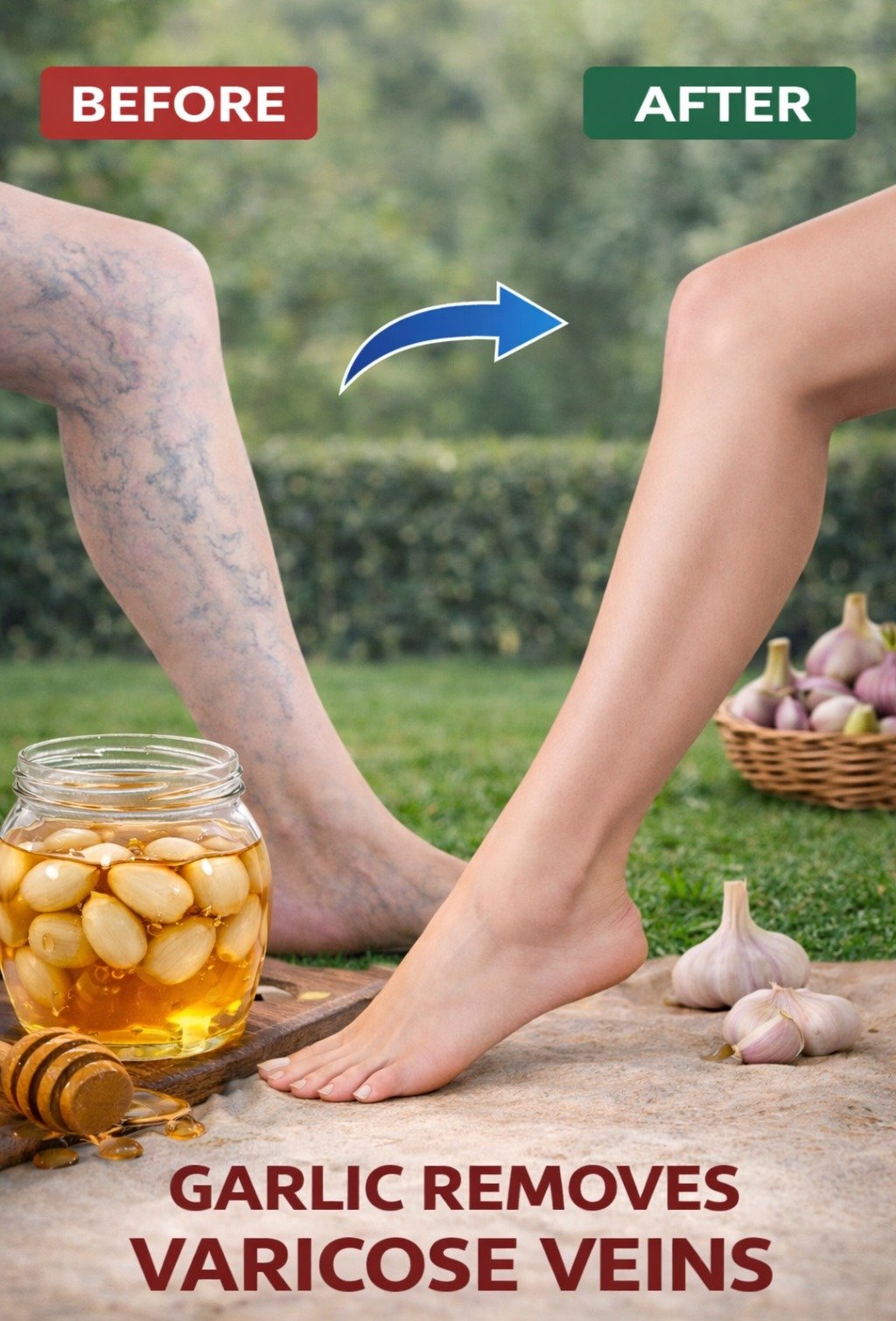
🍽️ Can Garlic Truly “Cure” Varicose Veins?
To put it simply: no, it cannot. Varicose veins develop when the one-way valves within the leg veins become damaged or malfunction, leading to blood accumulating rather than efficiently returning to the heart. Once these crucial valves cease to function correctly, the most dependable methods for eliminating or substantially improving varicose veins involve established medical interventions such as sclerotherapy, laser therapy, or radiofrequency ablation.
While garlic is indeed a beneficial addition to a healthy diet, there is no robust clinical evidence to suggest it can eliminate existing varicose veins or make them disappear, despite what some online claims or social media trends might propose.
🧄 What Garlic Can Offer for Vein Health
Although garlic is not a remedy for varicose veins, scientific research indicates that it may contribute positively to various facets of vascular health, especially when integrated into a comprehensive, balanced lifestyle:
✅ Enhanced Circulation and Blood Vessel Relaxation
Within garlic are active compounds such as allicin and various organosulfur molecules, which have been associated with improved blood flow and the potential for vasodilation, meaning the beneficial widening of blood vessels.
✅ Anti-Inflammatory and Antioxidant Properties
Research indicates that garlic possesses anti-inflammatory qualities, which could potentially help in reducing minor swelling and alleviating discomfort in the vicinity of veins.
✅ Broader Heart Health Advantages
Existing evidence suggests that garlic could play a role in moderating blood pressure and positively impacting cholesterol levels, thereby offering indirect support to the entire cardiovascular system.
It’s crucial to understand, however, that these beneficial effects are generally modest and insufficient to repair or reverse existing structural damage to veins.
🥗 Safe Ways to Incorporate Garlic into Your Diet
Consider these practical and safe methods for integrating garlic into your daily dietary routine:
-
Regular Culinary Use: Aim to incorporate 1 to 2 cloves of fresh garlic, either crushed or finely chopped, into your daily meals. Allowing crushed garlic to rest for a few minutes before cooking can help maximize the preservation of its beneficial active compounds.
-
Versatile Ingredient: Use garlic to enrich the flavor profiles of salads, sauces, or soups. Beyond its taste, it provides valuable nutrients and potentially health-supporting compounds.
It is important to note that garlic has the potential to interact with blood-thinning medications. Therefore, if you are currently on anticoagulants, it is essential to consult with your physician before increasing your garlic intake or starting any garlic supplements.
🦵 Effective Strategies for Managing Varicose Veins
Should your primary aim be to achieve noticeable improvement or significant relief from symptoms associated with varicose veins, the following approaches are well-supported by scientific evidence:
✔️ Medical-Grade Compression Stockings
Wearing medical-grade compression stockings is a proven method to assist blood flow, thereby effectively lessening swelling and alleviating discomfort in the legs.
✔️ Regular Exercise and Leg Elevation
Engaging in consistent physical activity and periodically elevating your legs throughout the day are both beneficial practices that actively promote healthy circulation.
✔️ Maintaining a Healthy Diet and Weight
Adopting a well-balanced diet and maintaining a healthy body weight are crucial steps that can significantly reduce the undue pressure exerted on the veins in your legs.
✔️ Professional Medical Treatments
When dealing with moderate to severe varicose veins, it is highly advisable to seek consultation with a vascular specialist. Established procedures such as sclerotherapy or laser treatments offer proven and effective methods for closing off or removing affected veins.
🧠 The Key Takeaway
In conclusion, garlic is undoubtedly beneficial for supporting overall cardiovascular health and might offer some assistance with circulation and mild symptoms associated with varicose veins; however, it is definitively not a cure for the condition. For a genuine and effective approach to managing varicose veins—particularly when they lead to pain, swelling, or alterations in skin color—professional medical evaluation and appropriate treatment remain absolutely essential.