 By admin
Many individuals share the desire for hair that is longer, fuller, and appears more vibrant. Throughout history, traditional wisdom has championed natural remedies as straightforward yet powerful methods to encourage robust hair development. Among these time-honored solutions is rosemary, an aromatic herb long associated with enhancing hair strength and stimulating its growth.
The Enduring Appeal of Rosemary for Hair Care
For hundreds of years, rosemary (Salvia rosmarinus, previously known as Rosmarinus officinalis) has been a staple in both traditional healing practices and various culinary traditions. However, its value extends far beyond gastronomic uses, as rosemary is highly regarded for the profound positive effects its abundant natural compounds can have on the scalp and hair.
Both anecdotal evidence and a growing body of scientific investigation suggest that rosemary can contribute to hair health through multiple mechanisms:
-
Enhanced scalp blood flow – The powerful compounds found in rosemary are thought to boost circulation to the scalp, ensuring that hair follicles receive a richer supply of oxygen and essential nutrients.
-
Antioxidant and anti-inflammatory benefits – These protective qualities could foster a more optimal environment for hair growth by mitigating oxidative stress and soothing inflammation.
-
Alleviation of scalp conditions – Thanks to its inherent antimicrobial properties, rosemary may assist in managing concerns such as dandruff or minor scalp irritation, which can often hinder healthy hair development.
Scientific Insights into Rosemary’s Efficacy
Although comprehensive clinical validation for every traditional claim is still evolving, certain scientific investigations have yielded encouraging findings:
-
A notable clinical trial conducted in 2015 revealed that consistent application of rosemary oil to the scalp over a six-month period stimulated hair growth comparably to 2% minoxidil, a widely recognized treatment for hair loss, while presenting fewer undesirable side effects such as scalp irritation.
-
Further studies indicate that when rosemary oil is combined with other beneficial natural oils, it has the potential to enhance hair thickness, increase density, and promote overall hair length.
Professionals emphasize that rosemary should not be regarded as a miraculous solution; however, its capacity for supporting blood circulation and augmenting nutrient delivery could establish an environment highly conducive to hair growth, particularly when used regularly over an extended duration of several months.
Defining “Rosemary Dew” for Hair Care
Within the realm of natural home remedies, the term “rosemary dew” describes a rosemary-based infusion or revitalizing tonic designed for topical application to the scalp via a spray. Fundamentally, it involves rosemary steeped in water, much like a traditional herbal tea, but specifically formulated for enhancing hair health.
This particular application method is widely favored by many due to its straightforward nature, its reliance on natural ingredients, and its pleasant aroma. Furthermore, it integrates effortlessly into an existing, consistent hair care regimen.
Crafting Your Own Rosemary Hair Mist at Home
Consider trying this fundamental recipe for preparing your own rosemary hair mist:
What You’ll Need:
-
Approximately 4 to 6 substantial sprigs of fresh rosemary (alternatively, 4 tablespoons of dried rosemary can be used)
-
500 milliliters of purified water
-
An optional addition: a small amount of lemon juice for an extra touch of natural luster
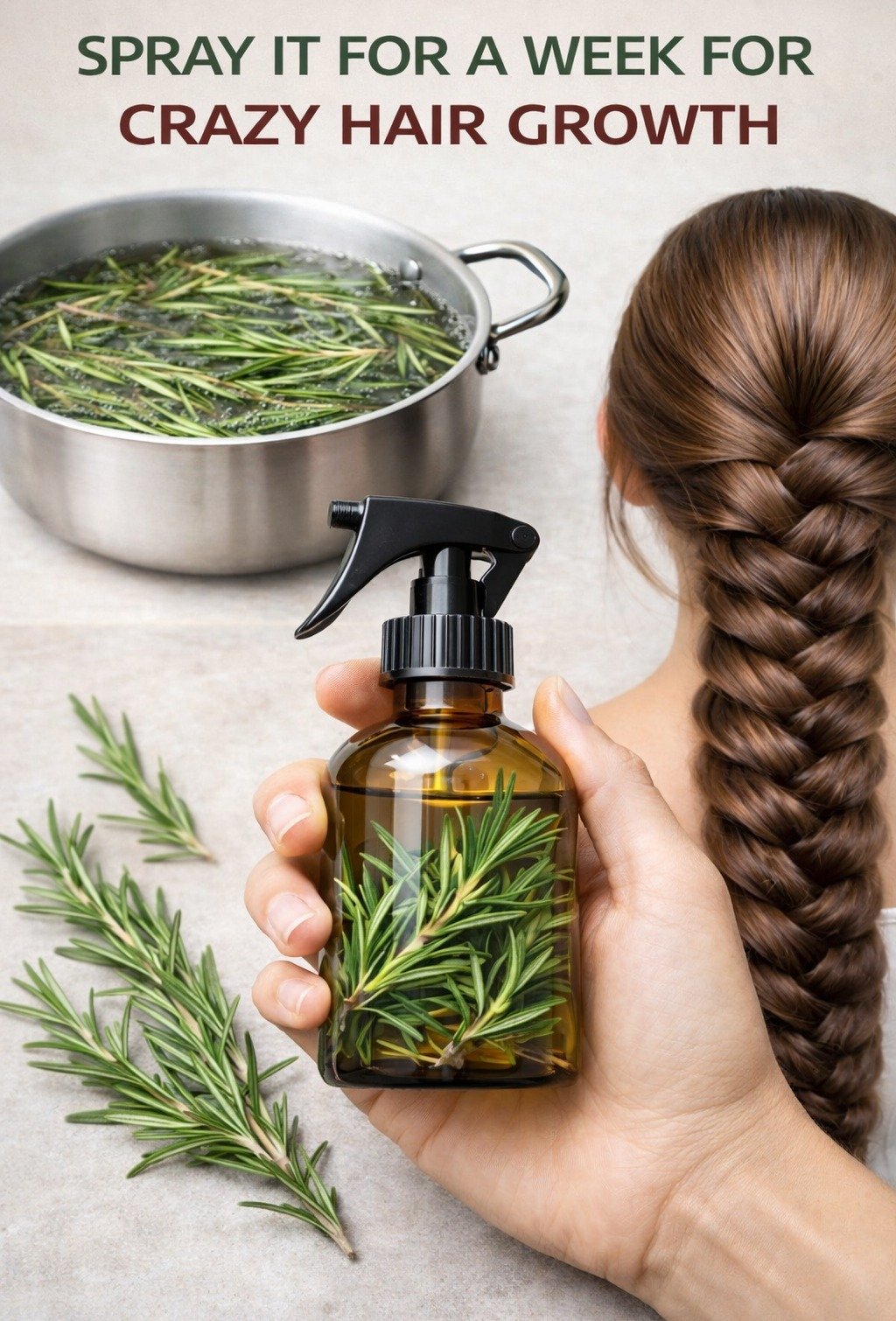
Instructions:
-
Begin by bringing the specified amount of water to a rolling boil.
-
Carefully add the rosemary to the boiling water, then reduce the heat and allow it to gently simmer for a duration of 10 to 15 minutes.
-
Remove the mixture from the heat and let it continue to steep undisturbed while it cools down completely.
-
Once cooled, strain the infused liquid thoroughly into a clean, empty spray bottle.
-
Before retiring for the night, apply the mist directly to a clean scalp and hair, then gently work it in with a soothing massage.
Incorporate this homemade rosemary hair mist into your routine approximately 3 to 5 times each week. For optimal efficacy, it is recommended to apply it to a freshly cleansed scalp, allowing it to remain on overnight to facilitate maximum absorption of its beneficial compounds.
Additional Advantages Beyond Hair Growth
Individuals who regularly incorporate rosemary hair tonics into their regimen frequently observe a range of supplementary advantages:
-
Enhanced hair luster and tactile quality
-
Decreased incidence of dryness or flakiness on the scalp
-
An agreeable, earthy fragrance
These positive outcomes are attributed to the nourishing compounds present in rosemary, along with its capability to assist in establishing a harmonious and healthy balance within the scalp’s ecosystem.
Important Tips and Safety Guidelines
-
Prior to full application, always conduct a patch test on a small skin area to ascertain any potential sensitivity or adverse reactions.
-
If opting to use rosemary essential oil, ensure it is properly diluted with a carrier oil, as applying undiluted essential oils directly to the skin can lead to irritation.
-
Bear in mind that natural remedies typically require a period of 3 to 6 months of regular and dedicated use before any significant or observable results become apparent.
-
For individuals experiencing pronounced hair loss or existing scalp conditions, it is strongly advised to seek the expertise of a dermatologist for tailored guidance and treatment recommendations.
Concluding Reflections
The practice of using rosemary hair dew represents a natural, cost-effective, and deeply traditional approach to hair care. Although scientific research continues to expand in this area, there is substantial backing from both contemporary studies and historical practices to confidently integrate rosemary mist as a valuable component of your personal hair-care regimen. Through consistent application and a degree of patience, this remedy has the potential to contribute to the development of stronger, more vibrant hair – fulfilling the age-old promises passed down through generations.