 By admin
 Understanding the Pancreas: A Vital Organ
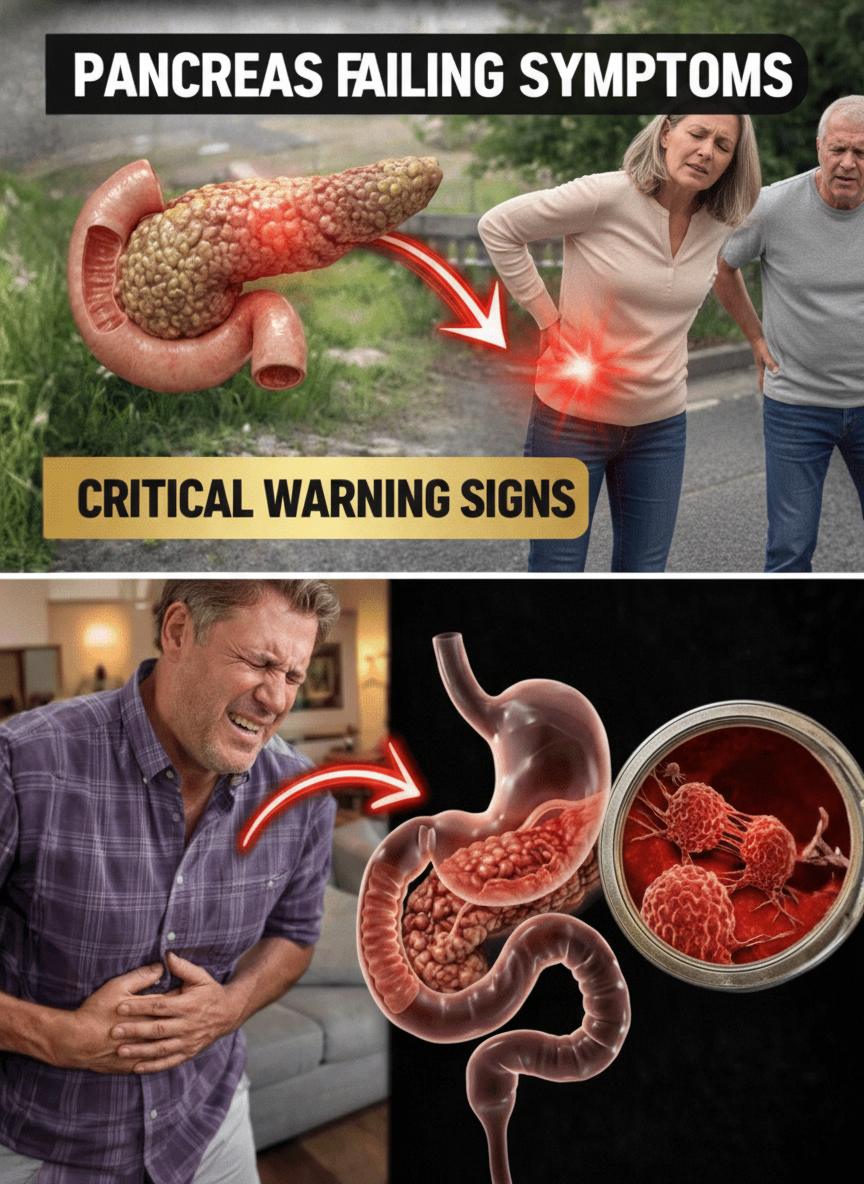
The pancreas, a crucial organ nestled behind your stomach, is a powerhouse for both digestion and blood sugar regulation. It produces digestive enzymes to break down food and hormones like insulin to manage glucose levels. When this vital organ encounters problems, symptoms can manifest in diverse and often seemingly unrelated ways. Unfortunately, pancreatic health issues often progress silently, making early awareness incredibly important. Think of your pancreas as a silent, diligent worker in your body’s complex system; if it struggles, your body’s ability to process nutrients and manage energy can be significantly disrupted.
Why Early Awareness is Crucial
Being attentive to changes in your body allows for timely medical advice, which can significantly impact health management. While many symptoms can overlap with less serious conditions, tracking them over time offers valuable insights. Keeping a simple journal of your daily well-being can help you identify trends you might otherwise overlook, providing concrete information to discuss with your doctor.
10 Key Signs and Symptoms to Watch For
Let’s explore common potential indicators of pancreatic cancer. Remember, experiencing one or more of these symptoms does not definitively mean you have cancer, but persistent or worsening symptoms warrant an immediate consultation with a healthcare professional.
-
Abdominal Pain That Radiates to the Back
A dull ache in your upper abdomen that spreads to your back can be a notable sign. This discomfort often feels like a band around your midsection and may worsen after eating. It suggests pressure or issues within the abdominal area. Monitor its persistence and intensity.
-
Unexplained Weight Loss
Losing weight without changes to your diet or exercise routine is concerning. This can occur due to reduced appetite, difficulty digesting food, or the body not absorbing nutrients efficiently. Track your weight regularly and discuss any significant, unintentional loss with your doctor.
-
Loss of Appetite
Feeling full quickly, having little interest in food, or a general lack of appetite can be linked to digestive changes. When combined with other symptoms, this can paint a clearer picture. Try small, nutrient-dense meals if eating full portions is difficult.
-
Jaundice (Yellowing of Skin and Eyes)
A yellowish tint to your skin or the whites of your eyes indicates jaundice, often related to bile duct blockages. This leads to a buildup of bilirubin in the bloodstream. You might also notice dark urine and pale or clay-colored stools. Seek immediate medical attention if you notice these changes.
-
Fatigue or Unusual Weakness
Persistent tiredness that doesn’t improve with rest, coupled with unusual weakness, can significantly disrupt daily life. This can be a general sign of the body being under internal stress. While prioritizing sleep and light exercise helps, persistent fatigue warrants a medical evaluation.
-
Nausea and Vomiting
Frequent feelings of queasiness or episodes of vomiting may signal digestive tract interruptions or blockages caused by a pancreatic issue. If these symptoms are new, persistent, or severe, they should be investigated.
-
Dark Urine and Pale Stools
As mentioned with jaundice, dark urine (like tea or cola) and pale, greasy, or clay-colored stools are significant indicators of issues with bile flow, often linked to pancreatic problems. These changes are due to bilirubin buildup and poor fat digestion.
-
New-Onset Diabetes or Worsening Existing Diabetes
The pancreas produces insulin, so a sudden diagnosis of diabetes in adulthood, or a rapid, unexplained worsening of existing diabetes, can sometimes be an early sign of pancreatic cancer affecting insulin production.
-
Blood Clots (e.g., DVT)
Pancreatic cancer can increase the risk of blood clots, particularly in the legs (deep vein thrombosis or DVT) or lungs (pulmonary embolism). Unexplained swelling, pain, or tenderness in a leg, or sudden shortness of breath, require urgent medical attention.
-
Itchy Skin (Pruritus)
Generalized itching without a rash can be a symptom of jaundice, as the buildup of bile salts under the skin irritates nerve endings. If you experience persistent itching along with other symptoms, it’s worth noting.
When to See a Doctor
It’s vital to remember that these symptoms can be caused by many conditions, most of which are not pancreatic cancer. However, if you experience any of these signs persistently, if they worsen, or if you notice a combination of several symptoms, do not hesitate to consult your doctor. Early detection, while challenging for pancreatic cancer, offers the best chance for effective treatment. Your proactive approach to understanding your body and seeking professional medical advice is your most powerful tool for maintaining health.