 By admin
 Garlic and Olive Oil for Skin Fungus: A Natural Approach with Caution
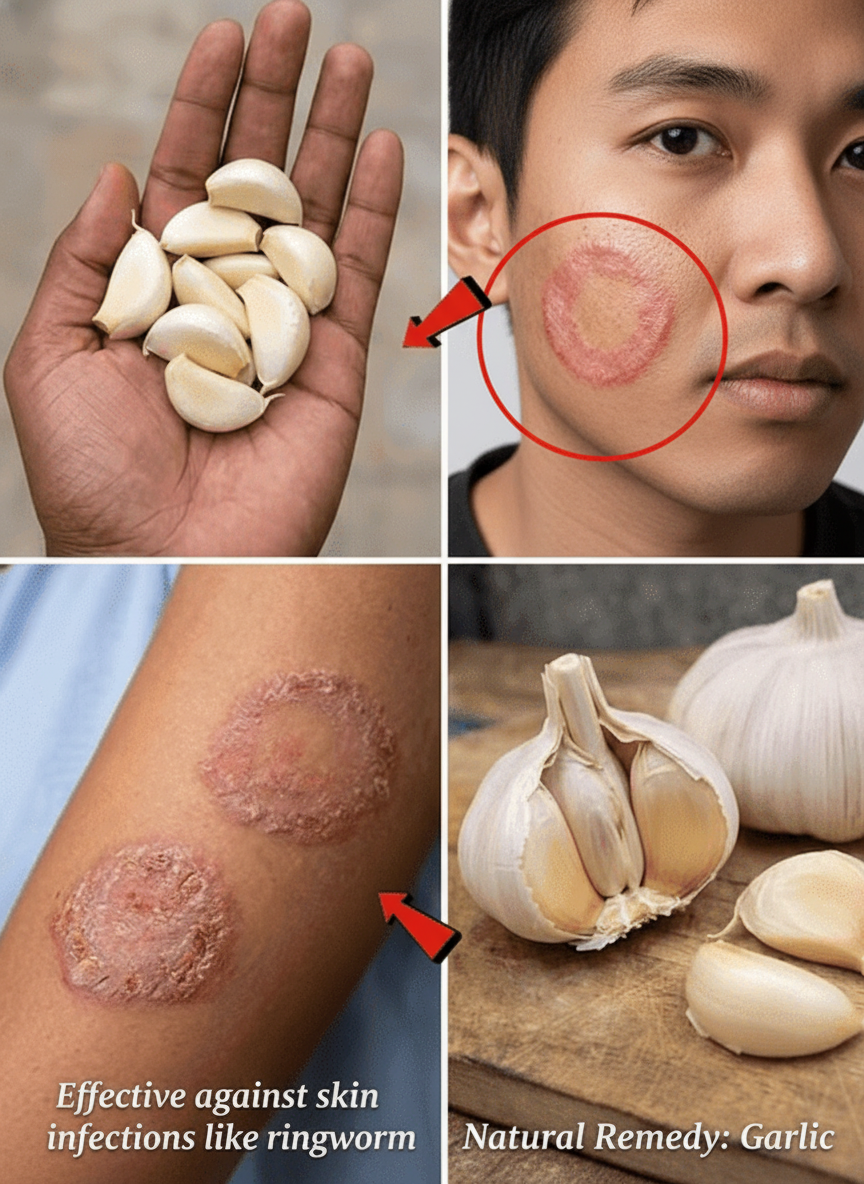
Many adults have experienced the subtle discomfort of an unexpected skin patch – perhaps a red ring on the arm or cheek. What starts as a minor irritation can quickly become itchy, spread, and cause self-consciousness. In the quest for gentle, at-home relief, the simple combination of garlic and olive oil often emerges as a popular natural remedy. But before you try this age-old duo, understanding its potential benefits and crucial caveats is essential.
Garlic: A Traditional Remedy with Modern Insights
For centuries, garlic has transcended its culinary role, recognized in various cultures for its purported health benefits, including skin wellness. Modern scientific exploration has focused on compounds like allicin, which studies in laboratory settings suggest may possess antimicrobial activity against certain microbes. This has fueled interest in garlic’s potential for skin issues.
However, it’s vital to differentiate between lab observations and real-world application. Human skin is a complex, sensitive organ, and what works in a petri dish may not translate directly or safely to topical use. Dermatology experts consistently advise caution when applying potent plant-based ingredients directly to the skin.
Despite these warnings, garlic’s appeal in home wellness traditions persists due to:
- Natural sulfur compounds believed to interact with microbes.
- High antioxidant content.
- A long history in traditional medicine practices.
It’s important to remember that raw garlic is potent and can cause irritation or even chemical burns in some individuals when applied undiluted to the skin. This leads us to the role of its common companion: olive oil.
Olive Oil: The Gentle Carrier
Olive oil has been a staple in Mediterranean skincare rituals for millennia, valued for its moisturizing and protective properties. It’s rich in:
- Vitamin E
- Healthy fatty acids
- Antioxidant polyphenols
These components are known to support the skin’s natural barrier and help retain moisture. When combined with garlic, olive oil serves a dual purpose: it acts as a gentle carrier, helping to dilute garlic’s intensity, and facilitates smoother application across the skin. It aims to deliver garlic’s active compounds while minimizing potential irritation.
Nonetheless, the principle that “natural equals harmless” is a misconception. Even diluted natural mixtures can provoke sensitivity or allergic reactions in some individuals. Therefore, a small patch test on an inconspicuous area of skin is always recommended before applying any homemade remedy broadly.
Understanding Common Ring-Shaped Skin Irritation
Many people associate fungal infections with distinctive, ring-shaped patches on the skin. These often present with:
- A circular or ring-like appearance.
- Mild itching.
- Flaky or slightly raised borders.
- Skin that may appear clearer in the center.
While these symptoms are characteristic of certain fungal interactions with the skin’s outer layer, it’s crucial to understand that not every circular rash indicates a fungal infection. Various other skin conditions can mimic these patterns, even deceiving trained eyes. Self-diagnosis can lead to inappropriate treatment and potentially worsen the condition. If a skin patch spreads rapidly, causes significant discomfort, or doesn’t improve, seeking professional medical advice is the safest course of action.
Comparing Garlic-Olive Oil with Other Home Skin Care Habits
The internet abounds with home remedies for skin issues. Here’s a quick comparison to help you navigate common options:
- Garlic with Olive Oil:
- Why people try it: Leverages traditional antimicrobial plant compounds.
- Important consideration: Raw garlic can be irritating; always patch test.
- Diluted Tea Tree Oil:
- Why people try it: Known for strong botanical antiseptic properties.
- Important consideration: Requires proper dilution to avoid irritation.
- Coconut Oil:
- Why people try it: Excellent for moisturizing dry skin.
- Important consideration: May feel heavy or clog pores for certain skin types.
- Aloe Vera Gel:
- Why people try it: Offers cooling and soothing relief.
- Important consideration: Ensure product purity and check for added irritants.
The overarching lesson is balance and caution. While natural remedies can offer supportive care, they are not always a substitute for professional medical diagnosis and treatment, especially for persistent or worsening skin conditions. Always prioritize your skin’s health by listening to its signals, conducting patch tests, and consulting a healthcare professional when in doubt.