 By admin
 The Power of Pumpkin Seeds: Supporting Bladder and Prostate Comfort as You Age
Do you ever find yourself lingering in the bathroom, hoping no one notices? Perhaps your urine stream isn’t as strong as it used to be, or you’re waking up multiple times at night to urinate. These experiences can be frustrating, embarrassing, and even a little concerning. Many older adults quietly navigate these common bladder and prostate discomforts.
The good news is that certain everyday habits and foods can naturally support urinary health. And surprisingly, one humble seed, often found in our kitchens, might play a significant role. Let’s explore why these changes occur and how a simple dietary addition could make a difference.
Understanding Bladder and Prostate Changes After 50
As men age, the prostate gland naturally tends to enlarge. This enlargement can gently press against the bladder or urethra, potentially affecting urine flow. Common signs include:
- More frequent bathroom visits
- Waking up at night to urinate (nocturia)
- A weaker or hesitant urine stream
- Feeling like the bladder hasn’t fully emptied
While these changes can be uncomfortable, they don’t automatically signal a serious issue. Research in urology and gerontology suggests that lifestyle factors—including diet, hydration, and physical activity—significantly influence bladder and prostate comfort as we get older. Among the foods gaining attention from nutrition experts are pumpkin seeds.
Pumpkin Seeds: A Nutritional Powerhouse for Urinary Health
Don’t let their small size fool you; pumpkin seeds are packed with beneficial nutrients. These flat, green seeds contain a unique combination of minerals, plant compounds, and healthy fats often linked to urinary and prostate wellness. Key nutrients include:
- Zinc: Crucial for immune and reproductive health, with high concentrations naturally found in the prostate.
- Magnesium: Important for muscle and nerve function, supporting overall bodily processes.
- Plant Sterols (Phytosterols): Compounds structurally similar to cholesterol, believed to support healthy prostate function.
- Antioxidants: Help the body combat oxidative stress and maintain a healthy inflammation balance.
Nutritional studies consistently link diets rich in seeds and nuts to improved metabolic and urinary health. Interestingly, pumpkin seeds have a long history of traditional use in many cultures across Europe and Asia for promoting urinary comfort in aging men.
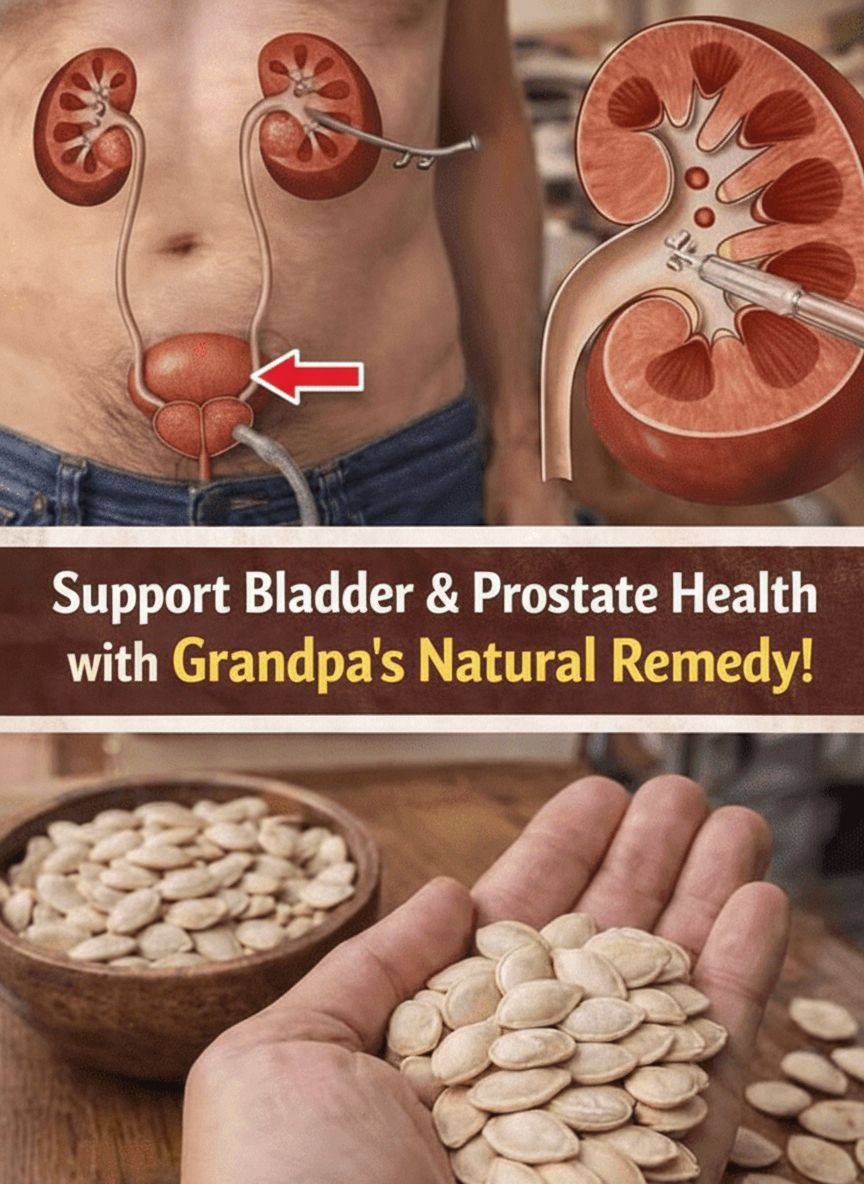
How Pumpkin Seeds May Support Bladder & Prostate Function
Current research suggests several mechanisms behind pumpkin seeds’ potential benefits:
- Phytosterols: These plant compounds are thought to contribute to healthy prostate function.
- Zinc Content: The prostate gland requires significant amounts of zinc, and pumpkin seeds are an excellent source.
- Antioxidant Action: The antioxidants help manage oxidative stress, which can impact cellular health throughout the body, including the urinary system.
It’s important to remember that pumpkin seeds are a nutritious food, not a medical treatment. However, when integrated into a balanced diet and healthy lifestyle, they can contribute to normal body processes and overall wellness.
Simple Ways to Enjoy Pumpkin Seeds Daily
Adding pumpkin seeds to your diet is incredibly easy and doesn’t require complex recipes or expensive supplements. Consistency is key! Here are practical ways to incorporate them:
- Sprinkle a small handful on your morning oatmeal or yogurt.
- Add them to salads for an extra crunch and nutrient boost.
- Mix them with other nuts and dried fruit for a heart-healthy snack.
- Blend them into your favorite smoothies.
- Lightly roast them with a touch of olive oil and your preferred herbs for a savory treat.
Nutrition experts generally recommend a small handful per day, roughly one ounce. Beyond diet, remember that adequate hydration also plays a crucial role in maintaining bladder comfort and overall urinary health.