 By admin
 9 Early Warning Signs of Cervical Cancer Most Women Overlook: Don’t Ignore These Symptoms
Many women go about their daily lives without realizing that subtle changes in their body could signal something serious. Cervical cancer often develops quietly in its early stages, with few or no obvious clues, which is why so many cases are caught later than ideal.
According to reliable sources like the Mayo Clinic and the American Cancer Society, early detection through regular screenings can make a significant difference. Yet, unusual symptoms are frequently brushed off as “normal” period issues or minor discomforts. This oversight happens more often than you might think, leaving women unaware until things progress. The good news? Paying attention to your body and knowing what to watch for empowers you to take action sooner.
In this guide, we’ll walk through 9 early signs that many women tend to ignore — signs backed by medical experts — and share practical steps to protect your health.
Why Cervical Cancer Can Be Hard to Spot Early
Cervical cancer starts in the cells of the cervix, the lower part of the uterus that connects to the vagina. In its earliest phases, it typically causes no symptoms at all, which is why routine Pap tests or HPV screenings are so vital. As changes progress, subtle signs may appear, but they often mimic other common conditions like infections, hormonal shifts, or endometriosis.
Research from organizations such as the Centers for Disease Control and Prevention (CDC) and the National Cancer Institute shows that symptoms usually emerge when the disease has advanced beyond the earliest stages. That’s why ignoring even mild changes can delay important conversations with a healthcare provider. But here’s the encouraging part: awareness leads to quicker check-ups, and early findings often allow for effective management.
9 Early Warning Signs of Cervical Cancer Most Women Overlook
Here are the key signs drawn from trusted medical sources. Remember, these can stem from many non-cancer causes, but if they persist or feel unusual for you, it’s worth discussing with your doctor.
-
Unusual Vaginal Bleeding
One of the most reported early clues is bleeding that doesn’t fit your normal pattern. This includes spotting between periods, bleeding after sex, heavier-than-usual periods, periods that last longer, or any bleeding after menopause. Many women chalk this up to stress or irregular cycles, but persistent changes deserve attention.
-
Abnormal Vaginal Discharge
Notice a shift in your discharge? It might become watery, bloody, heavier, or have a strong or foul odor. Discharge tinged with blood between periods or after menopause is particularly noteworthy. While discharge varies naturally, sudden or ongoing differences can be easy to overlook.
-
Pain During or After Intercourse
Discomfort or pain during sex — sometimes called dyspareunia — is a sign that shouldn’t be dismissed as “just part of life.” This can feel like pressure or sharp pain and may occur because of changes in the cervical area.
-
Pelvic Pain or Pressure
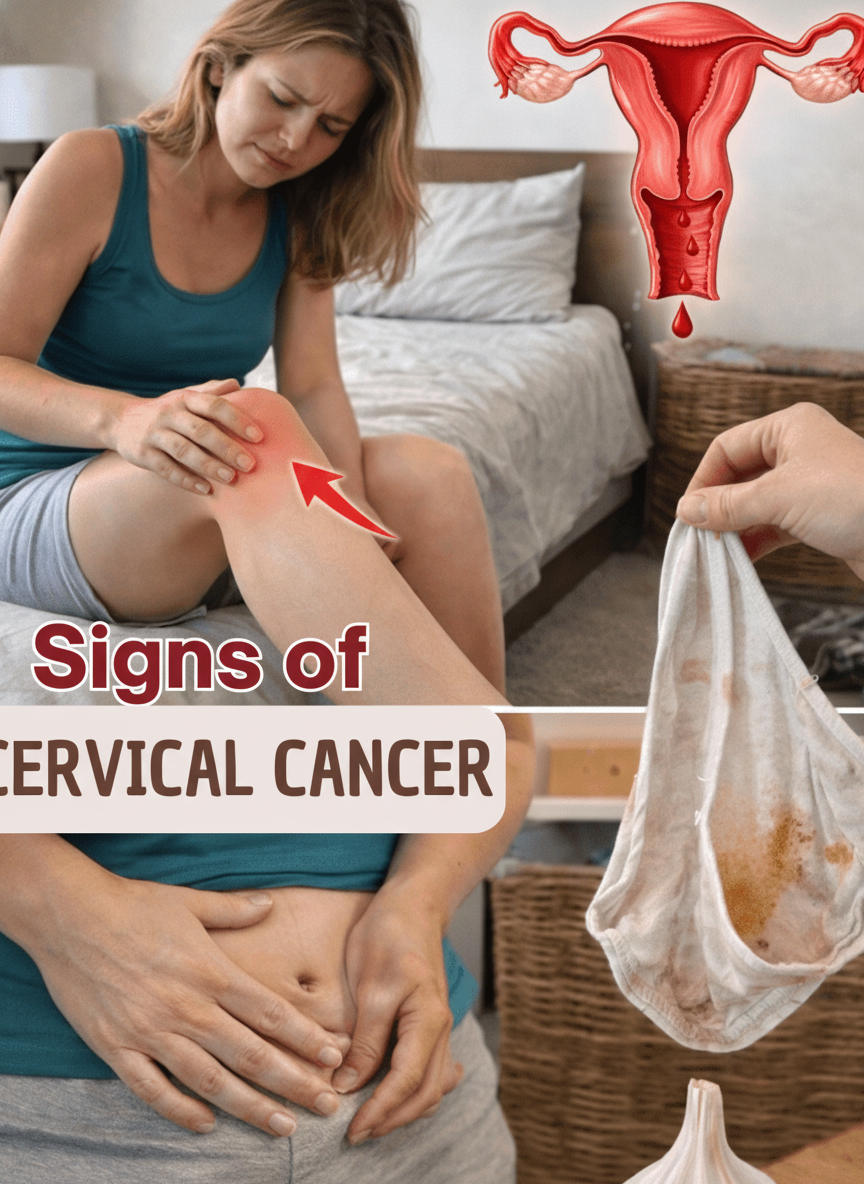
Ongoing ache or pressure in the lower abdomen or pelvis, unrelated to your menstrual cycle, is another potential flag. It might feel dull or persistent and can radiate to the lower back.
-
Heavier or Longer Menstrual Periods
If your periods suddenly become much heavier, last several days longer than usual, or involve more clotting, this change could be significant. Many attribute it to age or lifestyle, but tracking it matters.
-
Bleeding After Menopause
Any vaginal bleeding once periods have stopped for good (menopause) is never normal and should prompt an immediate doctor’s visit. Post-menopausal bleeding is a classic red flag highlighted by experts.
-
Unusual Fatigue or Low Energy
Feeling unusually tired without explanation can sometimes accompany advancing changes, though it’s less specific. When paired with other signs, it adds to the picture.
-
Lower Back or Leg Pain
Persistent lower back pain or even swelling/aching in the legs can occur as things progress, often because of pressure on nearby structures. This is frequently ignored as muscle strain or aging.
-
Changes in Urination or Bowel Habits
In more advanced cases, difficulty urinating, blood in urine, or bowel changes like diarrhea or constipation might appear. These are less common early on but worth noting if persistent.
Your Health, Your Power
These signs, while often indicative of less serious conditions, are your body’s way of telling you something is amiss. The key is not to panic, but to pay attention. If you experience any of these symptoms persistently or if they feel unusual for you, do not hesitate to consult your healthcare provider. Early conversation can lead to early diagnosis, and early diagnosis leads to the best possible outcomes. Your proactive approach to health can make all the difference.