 By admin
 Your Arteries: The Unsung Heroes of Your Health
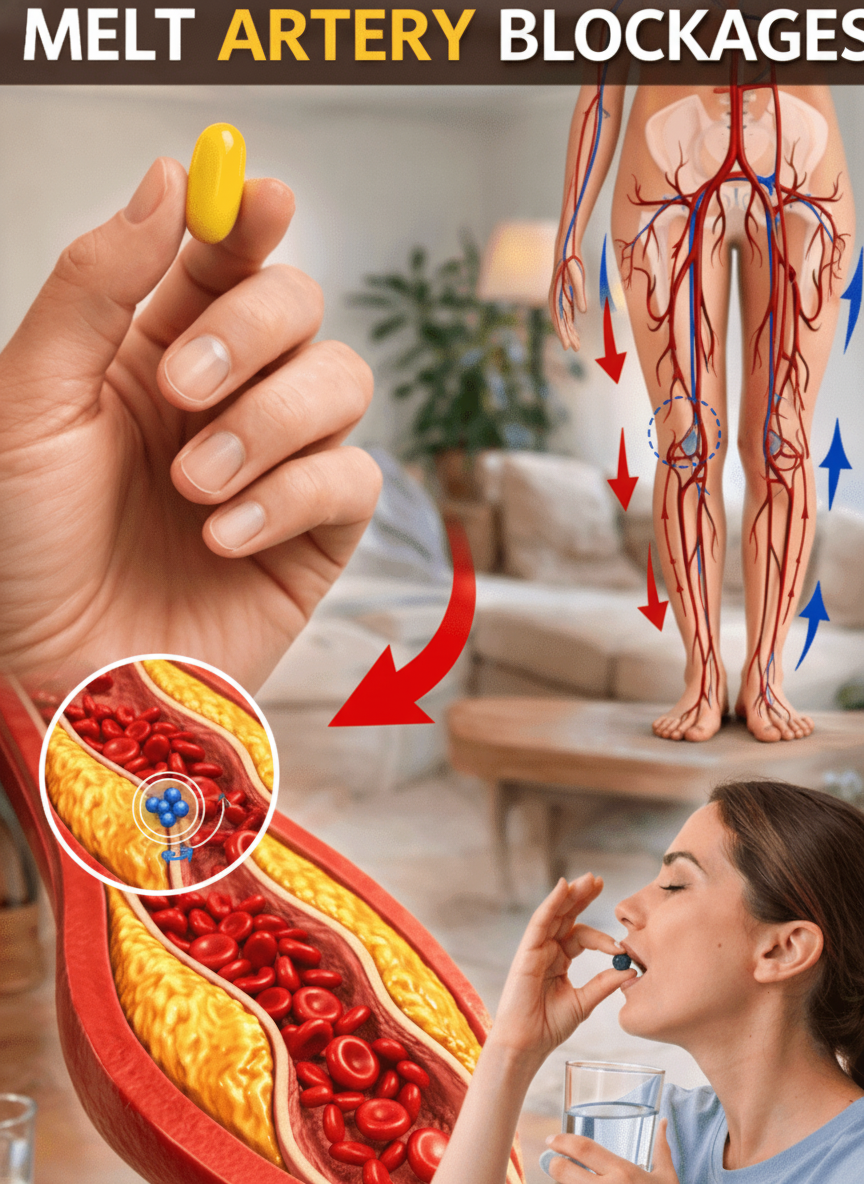
Imagine a complex network of highways tirelessly delivering vital supplies throughout your body. That’s your arteries. These flexible, clear vessels ensure smooth blood flow, carrying oxygen and nutrients to every cell. However, over time, factors like inflammation, oxidative stress, and calcium buildup can compromise their integrity, leading to stiffness and impaired function.
While no single nutrient offers a miracle cure, scientific evidence, including studies from reputable sources like Harvard Health and the National Institutes of Health, highlights the supportive roles specific vitamins and nutrients play in maintaining vascular health. They contribute to antioxidant protection, calcium regulation, and vessel relaxation, all crucial for overall cardiovascular wellness. Let’s explore the key players backed by scientific interest.
Top Nutrients for Robust Arterial & Circulatory Support
-
1. Vitamin K2: The Calcium Director
Especially the MK-7 form, Vitamin K2 is vital for directing calcium away from arteries and towards bones, potentially preventing unwanted arterial calcification. Research in journals like Nutrients links higher K2 intake to reduced arterial stiffness and improved cardiovascular outcomes. Find it in fermented foods like natto, certain cheeses, and egg yolks. It often works synergistically with Vitamin D for enhanced vascular benefits.
-
2. Vitamin D: The Sunshine Nutrient for Vessel Function
Known for its bone health benefits, Vitamin D also supports blood vessel health by helping regulate blood pressure and reducing inflammation. Adequate levels are crucial for endothelial function (the inner lining of arteries). Common sources include sunlight exposure, fatty fish, fortified foods, and supplements. When combined with K2, it shows promise in optimizing calcium metabolism for heart health.
-
3. Omega-3 Fatty Acids: Nature’s Anti-Inflammatory Helpers
Though not a vitamin, omega-3s (EPA and DHA, found in fish oil or algae) are essential for circulation. They help reduce inflammation, support healthy triglyceride levels, and promote vessel relaxation. Johns Hopkins notes positive evidence for heart benefits from dietary sources. Aim for fatty fish like salmon twice weekly or consider high-quality supplements.
-
4. Vitamin C: The Antioxidant Protector
A powerful antioxidant, Vitamin C supports collagen production, a key component of strong blood vessel walls, and may improve endothelial function. Meta-analyses suggest it can enhance vasodilation (vessel widening) and combat oxidative stress. Abundant in citrus fruits, berries, bell peppers, and broccoli, it pairs well with Vitamin E for comprehensive protection.
-
5. Magnesium: The Relaxation Mineral
Magnesium is crucial for blood vessel relaxation, which in turn supports healthy blood pressure and flow. Involved in over 300 enzymatic reactions, it’s vital for muscle and nerve function. Rich sources include leafy greens, nuts, seeds, and whole grains. Harvard Health emphasizes its role in blood pressure management alongside potassium and calcium.
-
6. B Vitamins (B6, Folate/B9, B12): Homocysteine Managers
These B vitamins are key in regulating homocysteine levels, an amino acid linked to vessel damage when elevated. Folate and B12, in particular, support healthy endothelial function. Find them in leafy greens (folate), meat and eggs (B12), and fortified cereals. Evidence suggests they contribute to maintaining healthy circulation.
Actionable Steps for Optimal Artery Health
Incorporating these vital nutrients into your routine doesn’t have to be complicated. Start small for lasting impact:
- Assess Your Diet: Keep a food diary for a few days to identify nutritional gaps. Are you getting enough greens, fish, or citrus?
- Prioritize Whole Foods: Make a conscious effort to include nutrient-dense foods daily. Think spinach salads, salmon for dinner, or berries for snacks.
- Embrace Sunlight & Movement: Safely get 15-20 minutes of sun exposure daily to boost Vitamin D, and incorporate regular walking to enhance circulation naturally.
- Consult Your Doctor: If you have concerns, especially if you’re over 50 or have risk factors, discuss testing your Vitamin D, B12, or other nutrient levels.
- Supplement Smartly: If dietary intake isn’t sufficient, choose reputable supplement brands. Always discuss appropriate dosages (e.g., 100-200 mcg K2 MK-7, 1,000-2,000 IU D) with your healthcare provider to avoid excess.
By actively supporting your artery health, you’re investing in your overall vitality and a healthier future.